A6AezDIwNuug
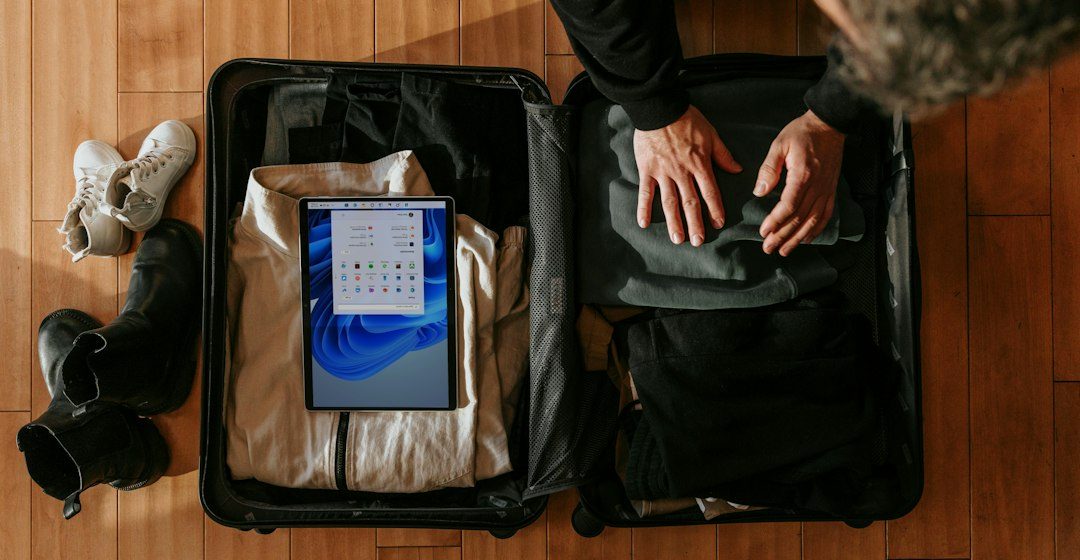
Travel days can feel busy even when the itinerary is straightforward. There are documents to remember, transport updates to check, bags to manage and small decisions to make at every stage. A repeatable routine reduces the number of things you need to remember at once. It does not need to be complicated: prepare the essentials the evening before, keep important items in consistent places and build in enough time for the unexpected.
Prepare documents and confirmations the night before
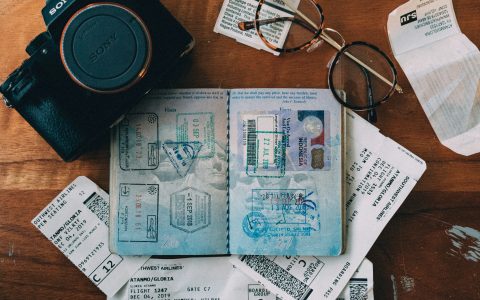
Check the names, dates and route details on your booking confirmations. Make sure your passport or identity document is valid for the journey and that any required visas or permissions have been arranged. For international travel, verify entry and transit rules through official government sources close to departure, as requirements can change.
Save boarding passes, accommodation details and transfer information where you can access them offline. A screenshot or printed copy can be a useful backup, but some providers use live or changing codes, so follow their instructions. Keep sensitive documents secure and avoid leaving copies in a place that can be accessed by other people.
Pack a small, organised essentials bag
Keep items you may need during the journey in one easy-to-reach place: travel documents, payment cards, phone, charging cable, essential medication, glasses and a small amount of food or water where permitted. Put valuables in a secure pocket rather than a loose outer compartment. If you are carrying medication, check any destination restrictions and storage requirements before departure.
Pack a spare layer and a small set of essentials in cabin baggage if your trip involves checked luggage. The aim is not to carry everything with you; it is to avoid being without the items you would need if a bag is delayed. Check the airline’s current rules for liquids, batteries and cabin-bag size before leaving home.
Check the journey, not just the departure time
Look at the full route to the airport or station, including traffic, planned engineering work and transfer time. Check the operator’s official app or website for updates before setting out. If the journey includes a connection, allow time to find the correct platform or terminal and understand what to do if the first service is delayed.
Choose a departure buffer that reflects the airport, carrier, time of day and whether you need to check baggage. Follow the airline’s stated check-in and boarding deadlines rather than relying on a generic rule. If travelling by train or coach, check the operator’s guidance about platform changes and luggage.
Keep your phone useful but have a backup
Charge your phone and power bank in advance, and download maps or key information for offline use. Check roaming or data arrangements if travelling abroad. Keep a written note of essential phone numbers and your accommodation address in case your battery runs out or the device is lost. A second payment method stored separately can also be helpful.
Use public Wi-Fi carefully and avoid entering sensitive details on unfamiliar networks unless you have a trusted connection. Enable device security and tracking before departure. These small steps make it easier to recover if something goes wrong.
Make the home-to-departure transition simple
Before leaving, check doors and windows, switch off appliances where appropriate and make sure someone has the information needed to care for pets or plants. Keep keys, wallet and travel documents in the same place until it is time to go. If you are travelling with others, agree who is carrying which documents and who is responsible for checking the bags.
At the airport or station, pause after security or check-in to confirm that you still have your essentials. Keep an eye on official departure screens because gates and platforms can change. Avoid walking away from a bag or leaving a phone on a counter while you reorganise belongings.
Use a simple arrival plan
Save the address of your accommodation and check the official route from the arrival terminal. Understand whether you need cash, a transport card or a pre-booked transfer. If arriving late, confirm reception hours and the check-in process directly with the property. Keep a backup option in mind in case the planned service is disrupted.
Your travel-day checklist
- Confirm documents, names, dates and entry requirements.
- Charge devices and save essential information offline.
- Pack medication, valuables and key documents in cabin baggage.
- Check official transport updates and departure deadlines.
- Save the accommodation address and arrival route.
- Leave home with a realistic buffer, not a last-minute dash.
Consistency makes travel easier
A calm travel day is usually the result of small habits repeated before every trip. Prepare documents early, keep essentials together and check the journey using official updates. When the basics are organised, you have more attention available for the enjoyable part: getting somewhere new and beginning the experience.
Editorial note: Airline, rail, border and security requirements vary. Check the latest official instructions for your route before departure.
Photo credit: Surface / Unsplash.