A6AezDIwNuug
A guided walk can turn a collection of streets into a story. A knowledgeable local guide may explain how a neighbourhood developed, point out details that are easy to miss and introduce visitors to customs that shape everyday life. Yet tours differ widely in pace, group size and depth. Choosing carefully helps you get more from the experience while making sure the visit is respectful to the people who live there.
Decide what you want to learn
Start with the subject rather than the marketing language. Some walks focus on architecture, food, migration, art, markets or a particular historical period. Others are broad introductions designed for first-time visitors. Read the itinerary and look for specific places or themes, not just a list of famous landmarks.
Think about your energy and interests. A two-hour route through steep streets may be enjoyable for one traveller and tiring for another. If you prefer frequent stops, a food-focused walk or a smaller neighbourhood route may be a better fit than a fast-paced highlights tour.
Learn who is leading the walk
Look for a clear guide profile and a description of their connection to the subject or area. Formal qualifications are useful for some specialist tours, but local knowledge, communication and the ability to answer questions also matter. Read recent reviews for comments about accuracy, clarity, pace and whether the guide made space for different interests.
Be cautious of listings that promise access to private spaces or experiences that cannot be independently verified. Ask the operator how the tour works, where it starts and what is included. If a walk involves a community, religious site or sensitive history, look for evidence that the organiser works with local partners and approaches the subject thoughtfully.
Check group size and route details
A small group can make it easier to hear the guide and ask questions, while a larger group may offer a lower price or a livelier atmosphere. There is no perfect size for everyone. Check the maximum number of participants and whether headphones are used in busy areas. Confirm the meeting point and the expected finish location, especially if you have another booking afterwards.
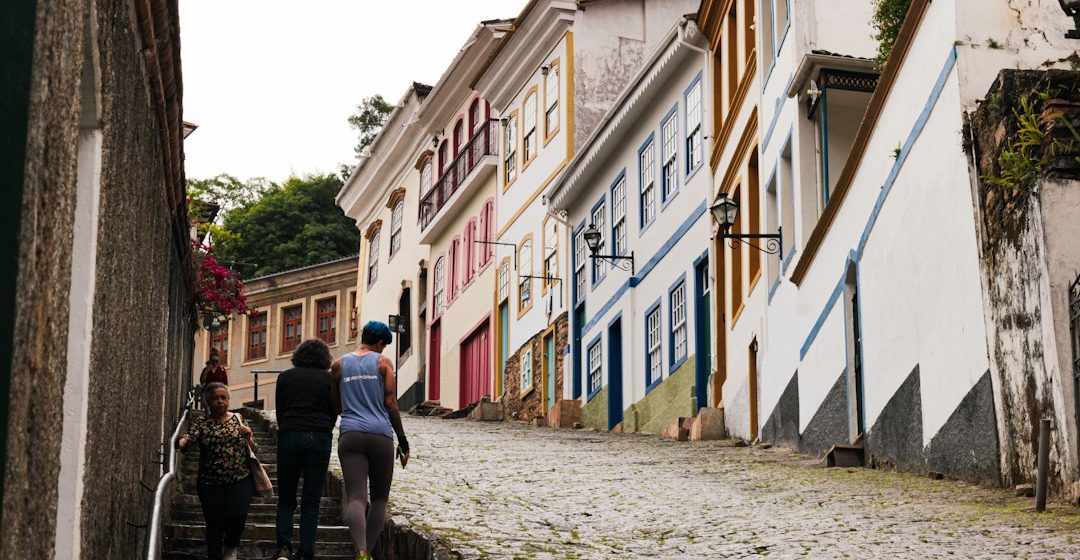
Review the route length, surface and elevation. Cobblestones, stairs, uneven pavements and limited seating can affect comfort. If you need a step-free route, slower pace or regular breaks, contact the organiser before paying and ask for a specific answer. Do not assume that the phrase “easy walk” guarantees accessibility.
Choose a responsible operator
Good tours respect residents and avoid treating neighbourhoods as a stage set. Guides should explain local etiquette, discourage intrusive photography and keep groups from blocking entrances or narrow pavements. In residential areas, a considerate route avoids unnecessary noise and respects private property.
For food or craft experiences, ask whether local businesses and makers are paid fairly and whether the itinerary supports independent operators. Be wary of tours that include pressure to buy from a particular shop without making the arrangement clear. A responsible experience should allow you to make your own choices.
Prepare for the day
Check the weather, wear suitable footwear and carry water where appropriate. Save the meeting point offline and arrive with enough time to find the guide. If you are running late, use the operator’s official contact method rather than assuming the group can wait. Bring cash only if the listing explains that a small local purchase or tip is customary; tipping practices differ by destination.
During the walk, listen actively and ask concise questions. If you want to photograph a person, ask permission. Follow instructions at religious, historic or working sites, and avoid touching objects or entering restricted areas. A little courtesy makes the experience better for everyone.
Questions to ask before booking
- What is the maximum group size and the walking pace?
- How long is the route, and are there stairs or uneven surfaces?
- What languages are offered and what is included in the price?
- Where does the tour start and finish?
- How does the operator work with local residents and businesses?
Let the walk change how you see a place
The strongest guided walks offer more than a sequence of photo stops. They give context, encourage thoughtful questions and help visitors understand the everyday life around the landmarks. Choose a route that matches your interests, verify the practical details and take part with curiosity and respect.
Editorial note: Routes, availability and accessibility vary. Confirm details directly with the tour operator before booking.
Photo credit: Samuell Morgenstern / Unsplash.