A6AezDIwNuug
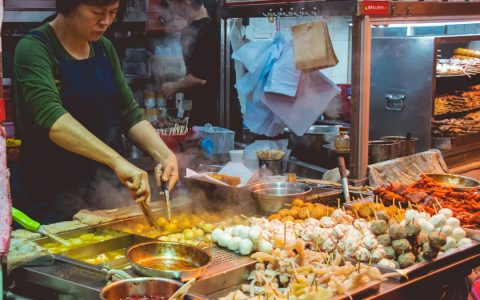
A local food market can reveal a great deal about a destination. The produce on display, the rhythm of the morning, the dishes people take home and the conversations between vendors all offer a glimpse of everyday food culture. It is easy to rush through with a camera and a snack, but a little preparation can turn a market visit into one of the most memorable parts of a trip.
Choose the right time to visit
Markets have their own routines. Some are busiest early in the morning when restaurants and residents shop; others become lively around lunch or in the evening when prepared-food stalls open. Check the market’s official hours and weekly closing day before setting out. If you want to see fresh produce and speak with vendors, arriving earlier may help. If your priority is cooked food, confirm when the stalls you are interested in begin serving.
Seasonality matters. A market in spring may look very different from the same place in late summer. Rather than expecting a particular ingredient all year, ask what is local and in season. This can lead you to dishes and flavours you might not have considered.
Walk around before buying
Take a first lap to understand the layout, compare prices and notice which stalls are busy with local customers. A queue can be a useful sign of popularity, but it is not a guarantee of quality or suitability. Look for clear food handling, clean serving areas and ingredients stored appropriately for the climate. Choose cooked food that is freshly prepared and served hot when that is the safer option.
Do not feel obliged to buy from the first stall you visit. If you are unsure about portion sizes, ingredients or prices, ask politely before ordering. A few basic phrases in the local language can make the interaction warmer, even if you then switch to a shared language for details.
Ask questions that open up the story
Simple questions often lead to useful recommendations: What is in season today? Is this dish usually eaten for breakfast or lunch? Is there a local speciality visitors often overlook? Vendors may be happy to explain how an ingredient is prepared or which sauce accompanies it. Be respectful of busy periods and keep questions brief when a queue is forming.
If you have allergies or dietary requirements, be direct and specific. Explain the ingredient you need to avoid and ask about sauces, oils, shared cooking surfaces and cross-contact. Translation cards can help, but they cannot guarantee that a dish is free from an allergen. If the answer is uncertain, choose another option rather than taking a risk.
Enjoy the food with consideration
Market etiquette varies. Some stalls expect customers to order and pay at a counter; others have table service or a token system. Watch what other customers do and follow posted instructions. Ask before photographing vendors or their products, especially when people are working. Avoid blocking a stall while taking pictures and be mindful of residents using the market for everyday shopping.
Bring a reusable bag if practical and carry small amounts of cash where local vendors prefer it, while keeping payment methods secure. If you plan to take fresh food away, consider temperature and storage. Perishable items should not sit in a warm day bag for hours.
Build a small tasting route
Rather than buying a full meal at every stop, share a few small portions with travel companions where appropriate. Choose one savoury item, one seasonal ingredient and perhaps a local sweet or drink. This makes it easier to compare flavours without wasting food. Keep drinking water available and take a break if the market is crowded or hot.
Markets can also be a good place to learn how a dish fits into local life. Notice which foods are eaten standing up, which are taken home and which are associated with a particular festival or time of day. The context can be as interesting as the taste.
A useful market checklist
- Confirm opening hours and the best time for the food you want to try.
- Walk around once before choosing a stall.
- Ask about ingredients, allergens and preparation when needed.
- Choose food handled and stored with care.
- Respect queues, working spaces and photography preferences.
Leave with more than a snack
The best market visit combines curiosity with consideration. Take time to notice seasonal ingredients, ask thoughtful questions and choose food that is prepared safely. You may leave with a new favourite dish, but you will also have a better understanding of the place that produced it.
Editorial note: Food hygiene standards and allergen communication differ by location. Use your own judgement and seek reliable local advice where necessary.
Photo credit: Jakub Kapusnak / Unsplash.