A6AezDIwNuug
A short city break can feel surprisingly rushed. With only a few days, it is tempting to fill every hour with landmarks, restaurants and reservations. The result can be a trip spent crossing the city rather than enjoying it. A better itinerary gives each day a clear shape, groups nearby places together and leaves enough unplanned time for a café stop, a market or an unexpected street.
Choose a small number of priorities
Before opening a map, decide what would make the trip feel worthwhile. You might want to visit one major museum, explore historic streets, try local food or spend time in a particular neighbourhood. Choose two or three priorities for the whole break rather than treating every recommended attraction as essential.
Check opening days and timed-entry requirements for the places that matter most. Some museums close on particular weekdays, while popular attractions may require advance reservations. Use official websites for current hours and ticket conditions. Build the itinerary around confirmed essentials, not assumptions copied from an old travel post.
Plan by neighbourhood, not by popularity ranking
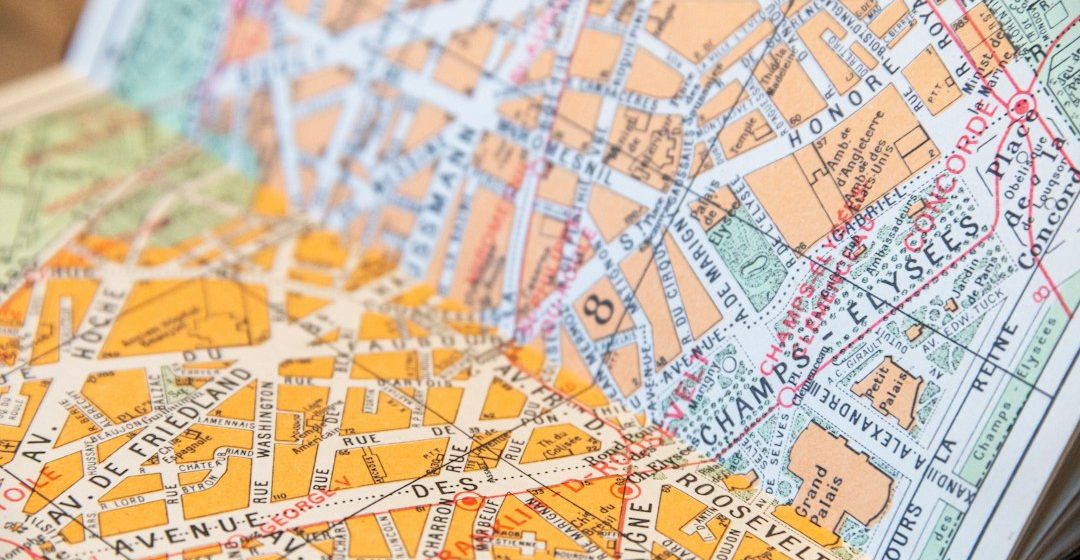
Put your chosen places on a map and look for natural clusters. Visiting two nearby attractions on the same day can save time and transport costs. A route that moves steadily through one part of the city is often more enjoyable than zigzagging between distant sights because they appear next to each other on a list.
Remember that map distances do not tell the whole story. Hills, river crossings, pedestrian zones, roadworks and crowded streets can make a short route take longer than expected. Check the actual walking route and use public transport when it makes the journey simpler. If you are travelling with children or anyone who needs regular breaks, plan shorter stretches.
Give each day one main anchor
Choose one major activity or area as the anchor for each day. Add one or two nearby options, but keep them flexible. For example, a museum visit might be followed by lunch in the same neighbourhood and a relaxed walk through a nearby park. If the museum takes longer than expected, you can skip the extra stop without losing the day’s main experience.
Avoid booking several timed activities with little space between them. Allow time for queues, security checks, meals and getting lost. A schedule that looks efficient on paper can become stressful when a train is delayed or a restaurant is busy.
Use transport as part of the plan
Check the city’s official transport website for ticket types, service hours and planned disruptions. A day pass may be useful if you expect several journeys, but it is not always cheaper than single fares or contactless payment. Compare the options against the routes you actually intend to take.
For late evenings, check the last train or bus back to your accommodation. If you are arriving after a long journey, keep the first evening simple and avoid a non-refundable booking that depends on a perfectly timed arrival. Save your accommodation address and a route back offline.
Protect time for meals and local atmosphere
Food is part of the destination, not merely a gap between attractions. Research typical meal times and whether popular restaurants require reservations. Keep a few flexible options near the day’s route so that you are not forced to travel across town when you are hungry. Markets, bakeries and casual cafés can offer a rewarding break without taking up an entire afternoon.
Leave at least one open block in the itinerary. Use it to revisit a favourite street, browse a bookshop or simply sit in a square. These unplanned moments often become the details people remember most clearly.
A simple three-day structure
- Day one: arrive, explore the area around your accommodation and keep the evening relaxed.
- Day two: schedule the main landmark or museum, then explore nearby streets and food spots.
- Day three: choose a neighbourhood walk, market or park, with a flexible finish before departure.
Adjust the structure to your arrival and departure times, the city’s size and the interests of your group. It is a framework, not a timetable that must be followed minute by minute.
Make a plan that can breathe
A successful city break is not measured by the number of attractions completed. It is shaped by a few meaningful experiences, manageable journeys and time to notice the place around you. Confirm the essentials, group activities sensibly and leave space for discovery. That balance makes a short trip feel like a holiday rather than a checklist.
Editorial note: Opening hours, fares and ticket rules change. Verify current details with official attractions and transport operators before travelling.
Photo credit: Etienne Girardet / Unsplash.