A6AezDIwNuug
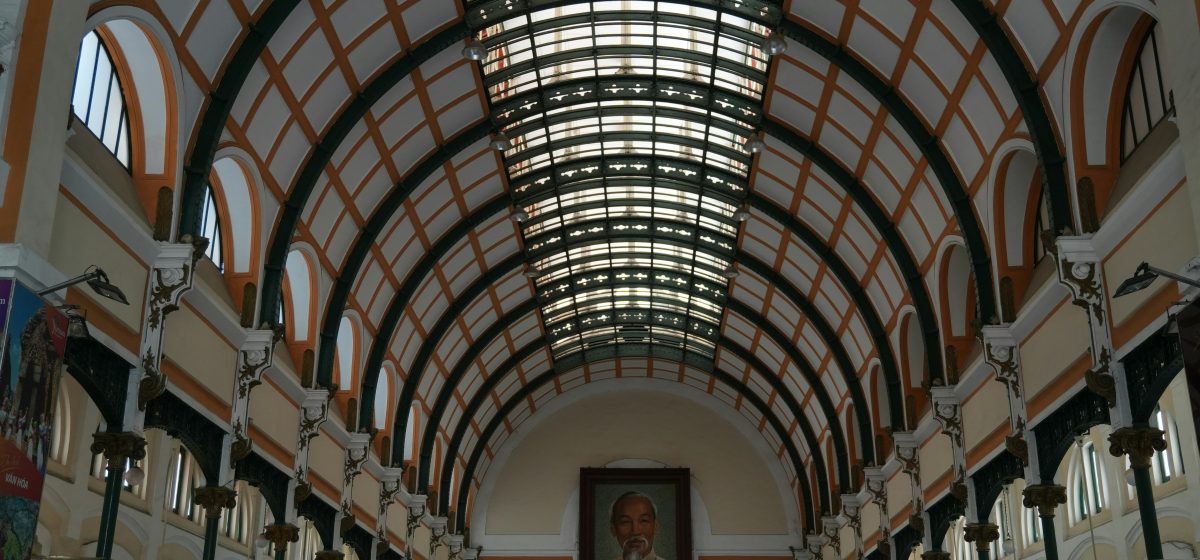
A museum can offer a welcome change of pace during a city break, especially when the weather is poor or you want to understand a destination’s history and art. Popular institutions can also be busy, spread across large buildings and subject to timed-entry rules. A little planning helps you enjoy the visit without spending the whole day in queues or trying to see every room.
Choose the museum that fits your interests
Start with the collection or subject rather than the reputation alone. A smaller museum focused on local history, design or a particular artist may be more rewarding than a huge institution that you feel obliged to visit. Read the official description and look at current exhibitions. Temporary displays may require a separate ticket or have limited availability, so check before planning your day around them.
Use official ticket information
Check the museum’s own website for opening days, last admission, timed entry and ticket conditions. Some museums offer free admission to parts of the collection but charge for special exhibitions. Others have reduced hours on particular days or close for public holidays. Avoid assuming that a ticket from a third-party seller includes every gallery or permits entry at any time.
Plan a realistic route through the building
Large museums can take several hours to explore. Choose a small number of highlights and use the floor plan to group nearby galleries. If you have a limited time, identify the rooms you most want to see and allow a little space for unexpected discoveries. Check whether there are lockers, cloakrooms or restrictions on large bags before arriving.
Consider accessibility and visitor facilities
Look for information about lifts, step-free entrances, seating, accessible toilets and quiet spaces. If you need a particular accommodation, contact the museum before your visit to confirm arrangements. Families may want to check child-friendly facilities and whether pushchairs are permitted in all galleries. Café and water facilities can also affect how long you comfortably stay.
Understand photography and conduct rules
Photography may be allowed in some galleries and prohibited in others, particularly for temporary exhibitions or sensitive objects. Follow signs and staff instructions, and do not use flash where it is prohibited. Avoid blocking displays while taking pictures and keep voices low in shared spaces. Some objects are fragile or protected by barriers for good reason; do not touch them.
Make the visit more meaningful
Consider an audio guide, guided tour or introductory talk if you want more context. You do not need to read every label; choose a few works or themes and give them time. If visiting with others, agree on a meeting point in case you want to explore different galleries. Take breaks rather than rushing from room to room until you are tired.
Connect the museum to the wider city
Look for nearby cafés, parks or historic streets to visit before or after the museum. This can turn a ticketed visit into a relaxed half-day. Check transport and walking routes, especially if the museum is outside the centre. If you plan to visit several attractions, compare combination tickets carefully and make sure the schedule is realistic.
A successful museum visit is not measured by the number of galleries completed. Choose a collection that interests you, check the practical details and leave time to engage with what you see. A few well-chosen hours can add depth to a city break.