A6AezDIwNuug
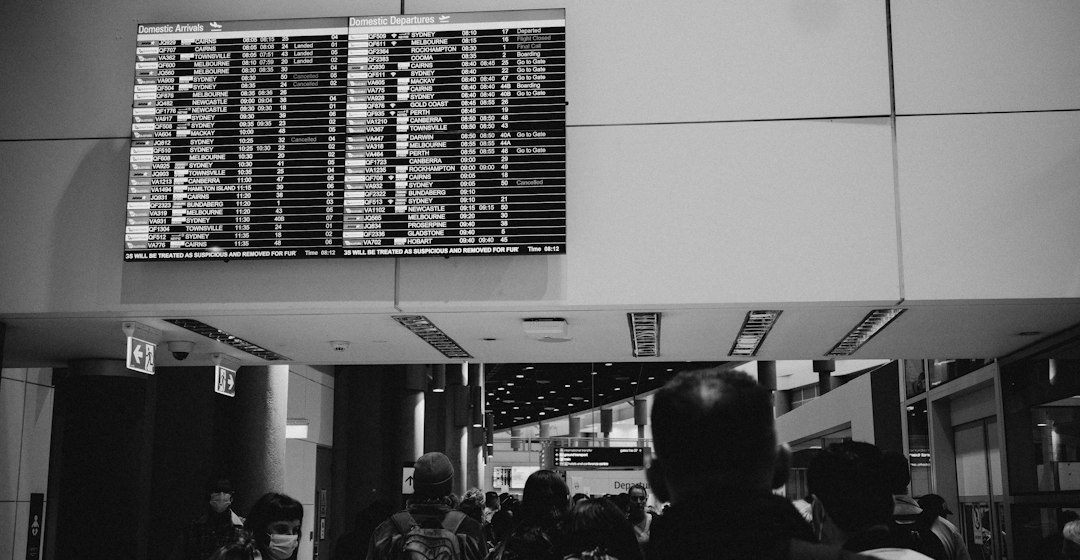
A flight with a connection can make a long journey more affordable or open up routes that are not served nonstop. The trade-off is that the traveller has more moving parts to manage: arrival and departure terminals, immigration, baggage, security checks and the possibility of delay. A sensible layover is not simply the shortest one available. It is the connection that gives you a realistic chance of reaching the next flight without unnecessary stress.
Understand what kind of ticket you are buying
Before comparing connection times, establish whether the flights are on one through-ticket or separate bookings. With a protected connection, the airline or ticketing arrangement may provide assistance if an earlier flight delay causes a missed onward flight, subject to the fare conditions and applicable rules. Separate tickets can leave you responsible for buying a replacement flight and arranging any extra overnight stay.
Read the booking conditions rather than relying on the word “connection” in a search result. Check whether the itinerary is self-transfer, whether bags are checked through to the final destination and whether you must collect luggage and check in again. If anything is unclear, ask the airline or travel provider before paying.
Check the airport, terminal and border process
Some airports have several terminals connected by a train or bus; others require passengers to leave the secure area and travel by road. A terminal change can add meaningful time, especially with mobility needs, children or heavy cabin bags. Use the airport’s official website to understand the transfer route and whether a shuttle runs frequently throughout the day.
International connections may involve passport control, security screening or transit visa requirements. The rules depend on your nationality, airport, route and whether you remain airside. Verify requirements through official government and airport sources before booking. Do not assume that a transit passenger is automatically exempt from entry rules.
Choose a realistic buffer
Minimum connection times are operational thresholds, not a promise that every traveller will find the transfer comfortable. A first-time visitor to a large airport may prefer more time than someone familiar with the terminal. Consider the time of day, likely queues, the distance between gates and whether the onward flight is the last service to your destination.
Very long layovers have their own costs. You may need food, a rest area or an overnight hotel, and leaving the airport can introduce immigration and transport considerations. Compare the total journey time and extra expenses rather than judging the itinerary by airfare alone.
Prepare for baggage and check-in differences
Check the baggage allowance for every airline in the itinerary, particularly when different carriers operate each leg. Cabin-bag size, weight limits and personal-item rules may vary. If you have separate tickets, confirm whether you must collect checked luggage at the connection airport and allow time to reach the next check-in desk before its deadline.
Keep essential medication, valuables, a change of clothes and important documents in your cabin bag. Download airline apps and save booking references, but also keep the key details accessible offline. Make sure your phone has enough battery for gate changes and service alerts.
Have a disruption plan before departure
Save the airline’s contact details and understand how to request help if a flight is delayed or cancelled. If a delay develops, speak to airline staff as soon as practical and keep receipts for necessary expenses where the airline or local rules may allow reimbursement. Avoid making a costly replacement booking before understanding what assistance is available on your ticket.
For separate-ticket journeys, consider whether an overnight buffer is safer than a same-day transfer. Travel insurance may help with certain missed-connection costs, but exclusions and documentation requirements vary. Read the policy wording before relying on it.
Connection checklist
- Confirm whether the itinerary is one ticket or separate bookings.
- Check terminal transfers, immigration and transit requirements.
- Compare the connection time with the airport’s official guidance.
- Verify baggage allowances and check-in deadlines for each carrier.
- Save contact details and keep essentials in cabin baggage.
Choose confidence over a tight schedule
A good connection gives you enough time to follow the airport process and respond calmly if something changes. Compare the full journey, understand who is responsible for the onward flight and choose a buffer that suits the airport and your circumstances. A slightly longer layover can be a worthwhile part of a smoother trip.
Editorial note: Airline, airport, immigration and passenger-rights rules vary by route and can change. Confirm the latest requirements with official sources before departure.
Photo credit: Joseph Bobadilla / Unsplash.