A6AezDIwNuug
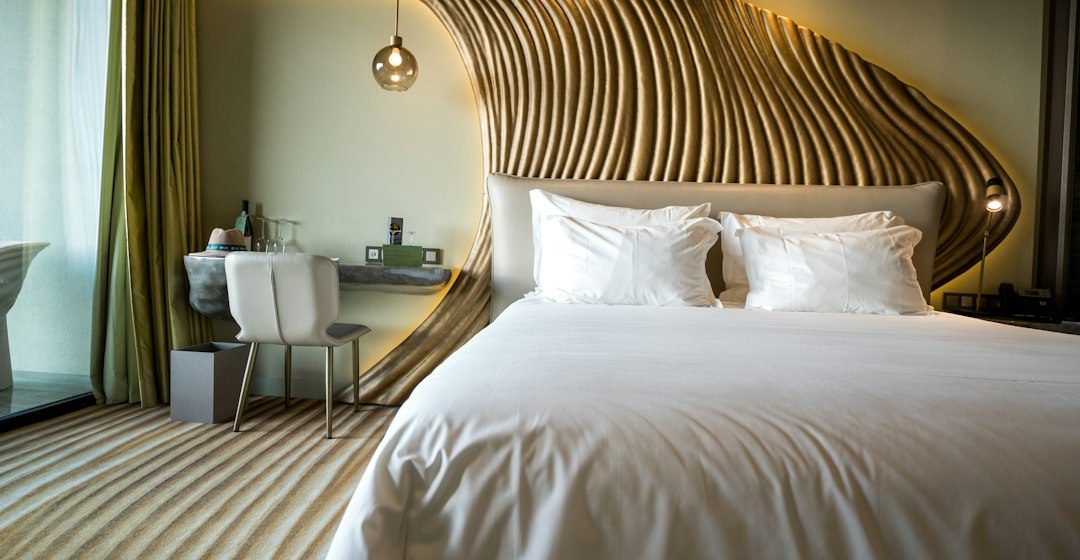
A hotel room can look beautiful in photographs and still be difficult to rest in. Noise from a lift, bright street lighting, poor curtains or an awkward room layout can affect how comfortable a stay feels. When comparing accommodation, it is worth looking beyond the bed size and decorative style. A few practical checks can help you choose a room that supports a good night’s sleep and makes the whole trip more enjoyable.
Read reviews for patterns, not isolated complaints
Search recent reviews for repeated comments about noise, air conditioning, heating, street activity and housekeeping. One complaint may reflect an unusual event, but the same issue appearing across several stays deserves attention. Notice whether guests mention thin walls, early-morning deliveries, nearby nightlife or construction. The date of a review matters because hotels can renovate rooms or change operating practices.
Look at the property’s location on a map. A room facing a lively square may be convenient for restaurants and transport, but it may also be noisier at night. A room overlooking a courtyard can be calmer, although the layout and ventilation still matter. If quiet is important, contact the property before booking and ask whether a room away from lifts, bars or service areas can be requested. Such requests are not always guaranteed.
Understand the room’s light and temperature
Photographs rarely show how well curtains block light. Reviews may mention early sunrise, bright signs or corridor lighting that reaches the room. If you are sensitive to light, ask whether blackout curtains are fitted and consider packing a simple sleep mask. Check whether the room has individual temperature controls or relies on a central system with seasonal settings.
Climate control can vary by building and local regulations. In some properties, windows cannot be opened; in others, outside noise or insects may make that impractical. Ask the hotel what is available rather than assuming that every room has the same controls. If travelling during a hot or cold season, recent guest feedback can be especially useful.
Look at the layout and everyday details
A room should make it easy to move around, store luggage and reach the bathroom safely at night. Check whether there is enough space to open your suitcase without blocking the route to the door. A bedside table, accessible power socket and convenient lighting can make a surprising difference. If you work remotely or need to organise family belongings, a desk or extra storage may be more important than a larger television.
For accessible accommodation, verify the specific features you need directly with the property. Terms such as accessible or step-free can mean different things. Ask about doorway widths, bathroom layout, lift access, shower arrangements and the route from reception to the room. Request confirmation in writing when a particular feature is essential.
Choose the right room category
Room names are not standardised across hotels. A “superior” room may simply have a different view, while a “deluxe” category may offer more space but not necessarily a quieter position. Compare the room description, floor plan if available, bed configuration and included facilities. Check whether the quoted rate includes breakfast, taxes, Wi-Fi and any resort or service fees.
If you are travelling as a couple, with children or with friends, consider how the room configuration affects privacy and rest. A sofa bed may be practical for a short stay but not ideal for every traveller. Connecting rooms can be useful for families, but availability and pricing should be confirmed before booking.
Ask the hotel before arrival
Send a concise message explaining what matters most: a quiet room, a particular bed arrangement or a step-free route. Avoid assuming that a request is confirmed until the property replies. On arrival, check that the room matches the booking and raise any significant issue promptly, while staff have a chance to help.
Room-selection checklist
- Look for repeated recent comments about noise and temperature.
- Check the map for nightlife, traffic and nearby construction.
- Confirm room layout, bed type and essential accessibility features.
- Compare the total price and what is included.
- Send important room requests directly to the property.
Comfort is part of the value
A restful room is not always the most expensive one. It is the room that fits your needs, location preferences and budget without unpleasant surprises. Use recent reviews as clues, verify important details with the hotel and remember that a good night’s sleep can make every sightseeing day feel easier.
Editorial note: Room features and availability vary by property. Confirm essential requirements directly with the accommodation before booking.
Photo credit: Antonio Araujo / Unsplash.