A6AezDIwNuug
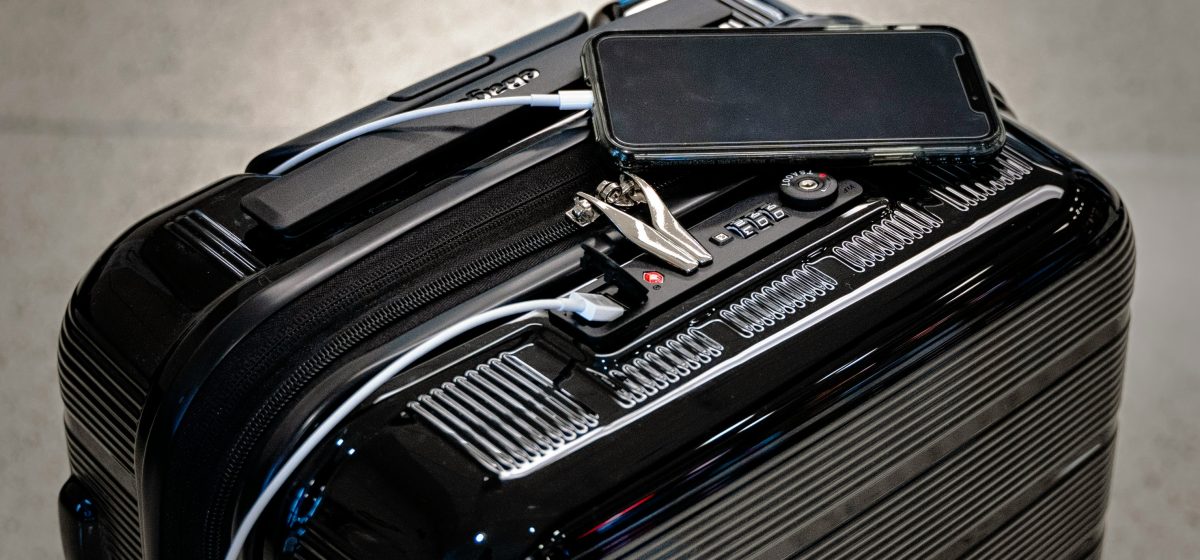
Phones, cameras, headphones and other devices can be essential during a trip, but carrying too many chargers and adapters adds weight and clutter. A simple charging kit keeps the equipment you need together and helps avoid problems when you reach an unfamiliar plug socket or airport. Check compatibility and airline rules before departure rather than discovering a problem at the gate.
Check plug types and electrical requirements
Find out which plug type is used at your destination and whether your charger supports the local voltage. Many modern phone chargers accept a range of input voltages, but not every appliance does. Read the label on the charger or device and use a suitable adapter. A plug adapter changes the shape of the connection; it does not automatically convert voltage.
Pack cables that match your devices
Make a short list of the devices you will actually take and bring the cables they need. Test each cable before leaving and avoid packing damaged or unreliable leads. A multi-port charger can reduce the number of plugs you carry, provided it supplies the right output for your devices. Keep cables in a small pouch so they do not tangle with clothing.
Understand power-bank rules
Airlines and aviation authorities have specific rules for lithium batteries and power banks. They are generally carried in cabin baggage rather than checked luggage, but permitted capacity, quantity and use restrictions vary. Check the exact policy of every airline on your itinerary. Protect the terminals from short circuits and do not carry swollen or damaged batteries.
Charge devices before travel
Charge your phone, headphones and other essential devices before leaving home. Download boarding passes, maps and important documents so they are available offline. If you have a long connection, plan where you can recharge and keep your charger accessible. Do not rely on airport charging points being available at every seat.
Use safe charging habits
Use a reputable charger and avoid equipment with damaged insulation or loose connectors. Be cautious with unknown public USB ports; using your own wall adapter or a charge-only cable can reduce risk. Do not leave devices charging unattended in public areas. Follow airline crew instructions about using power banks during flights.
Keep essential information available if the battery runs low
Save key phone numbers and your accommodation address somewhere you can access without the phone. A printed boarding pass or written note can be useful as a backup. If you are travelling with others, agree on a meeting point in case devices run out of charge or lose signal.
Pack only what you will use
Leave duplicate chargers and unnecessary gadgets at home. If you are travelling for several weeks, consider whether one suitable charger can serve multiple devices. Keep the kit light and organised, and check it again before leaving each hotel so cables are not forgotten behind a bedside table.
A reliable charging kit is small but important. Check plug compatibility, understand power-bank rules and keep cables organised. Those simple steps help your devices stay useful throughout the journey.