A6AezDIwNuug
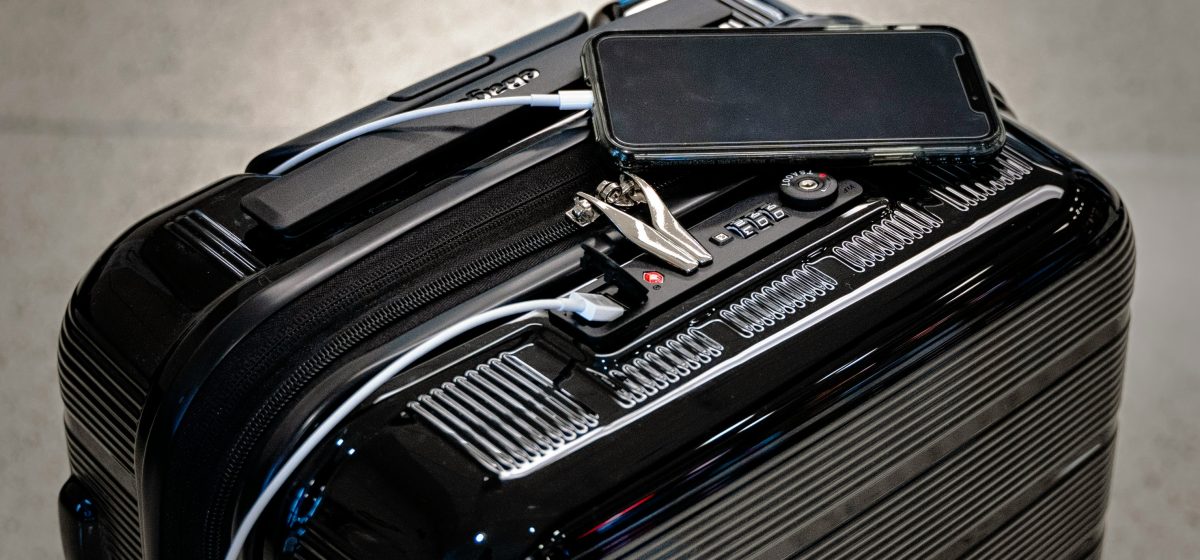
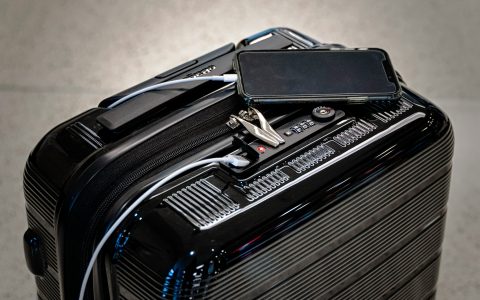
A phone can hold boarding passes, maps, accommodation details, payment apps and emergency contacts, so running out of battery at the wrong moment can be more than an inconvenience. A simple charging and data plan helps keep essential information available without carrying unnecessary equipment or relying on a signal that may not exist.
Check your data options before departure
Ask your mobile provider about roaming rates, data allowances and any restrictions in the countries you will visit. If you plan to use a local SIM or eSIM, check that your phone supports it and is not locked to a network. Compare the total cost and coverage rather than choosing the cheapest package automatically. Save important information before you leave, because activation or support may be harder when you are already abroad.
Download what you need offline
Download maps for your destination, save accommodation addresses and keep booking confirmations accessible without a connection. Some tickets require a live app or rotating code, so check the provider’s instructions before relying on an offline copy. Save emergency contacts and transport information as well. A screenshot can be useful as a backup, but it may not show the latest gate, platform or service change.
Pack the right charging equipment
Bring a cable that works with your phone and a suitable wall adapter for the destination. Check plug types and voltage requirements for any equipment you plan to use. A compact charger with more than one port can reduce clutter if it meets your device’s requirements. Test cables and adapters before departure rather than discovering a fault at the airport.
Understand power-bank rules
Airlines and aviation authorities set rules for spare lithium batteries and power banks. They are generally carried in cabin baggage rather than checked luggage, but capacity limits, quantity restrictions and handling requirements vary. Check the exact airline policy before packing. Protect terminals from short circuits and do not use damaged or swollen batteries. Follow crew instructions about charging devices during the flight.
Use battery-saving habits
Lower screen brightness, close apps you do not need and use offline maps where practical. Download music or entertainment before travelling rather than streaming continuously on mobile data. Turn off features you are not using, but keep location or connectivity available when it is important for safety or navigation. If your phone has a battery-health setting, review it before a long trip.
Protect your device and accounts
Use a strong screen lock and enable device tracking before leaving home. Keep software updated and back up important photographs and documents securely. Be cautious with public charging stations and unknown USB ports; using your own wall adapter or a charge-only cable can reduce risk. Avoid entering sensitive passwords on unfamiliar networks unless you use a trusted connection.
Have a backup plan
Carry a small written note with essential phone numbers and your accommodation address. Keep a second payment method separate from your phone in case the device is lost or damaged. If you travel with others, agree on a meeting point in case you become separated. Know how to contact your provider and remotely lock the device if necessary.
A reliable phone setup is built before the journey. Check data and airline rules, download essential information, pack tested charging equipment and protect your accounts. That preparation keeps your phone useful without letting it become the single point of failure for your trip.