A6AezDIwNuug
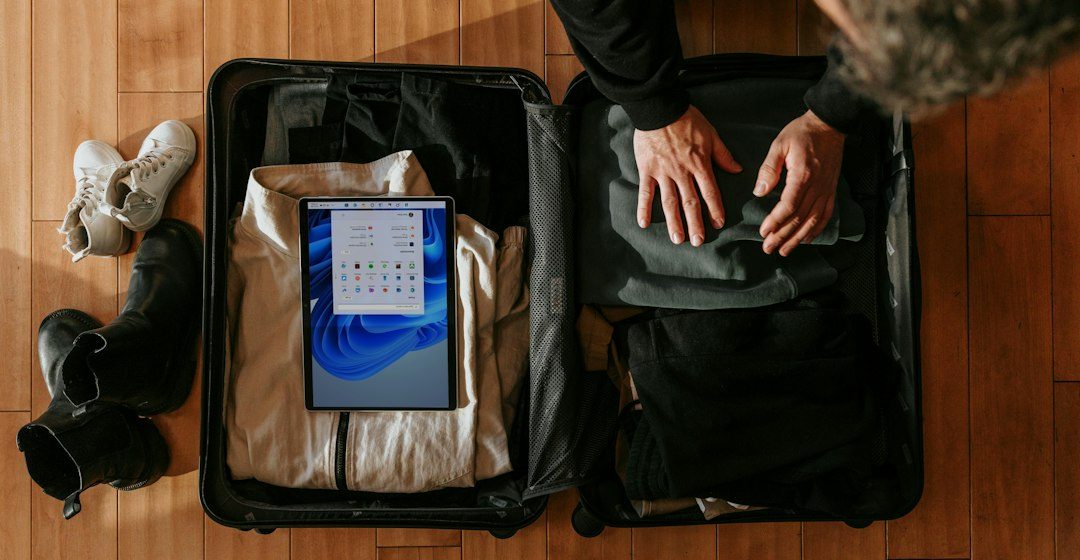
Many travel problems are not dramatic. They are small inconveniences that become stressful when several happen at once: a booking reference is difficult to find, a phone battery runs low or the route to the hotel is unclear. A few repeatable habits can prevent much of that friction and make travel feel more manageable.
Keep essential information in two places
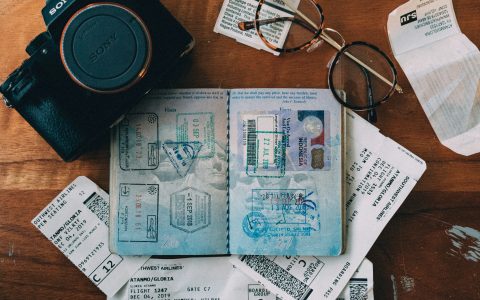
Save booking confirmations, accommodation addresses, insurance details and emergency contacts on your phone, then keep a secure backup that does not depend on mobile data. A printed copy of the most important information can be useful if a device is lost or a battery runs flat. Do not store passwords or sensitive payment details in an unsecured note.
Check the next step before you need it
Before leaving accommodation, confirm the first destination, the route and the payment method you will use. On travel days, check departure times and service notices again rather than relying on an old screenshot. If you are changing stations or airports, confirm the transfer location and allow enough time for the journey between them.
Pack a small essentials pouch
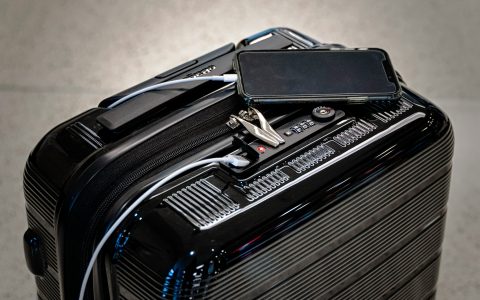
Keep medication, a charging cable, a power adapter, tissues and a small personal-care kit together. Adjust the contents to your destination and any personal needs. Store medication in accordance with its instructions and check rules for carrying it across borders. A small pouch is easier to move between bags than a collection of loose items.
Build in rest and hydration
Travel can involve early starts, long queues and unfamiliar routines. Drink water regularly, take breaks and avoid planning an intense first day after an overnight journey. If you are crossing time zones, allow time to adjust and seek daylight at an appropriate local time. A slower start can make the rest of the trip more enjoyable.
Learn a few local basics
Knowing how to say hello, please, thank you and “Could you help me?” can improve everyday interactions. Learn how to ask for directions and explain important dietary or accessibility needs. Check local customs around clothing, photography, tipping and public behaviour before visiting religious or cultural sites. Small gestures show consideration and can prevent misunderstandings.
Stay aware without becoming anxious
Use normal precautions: keep valuables secure, be mindful in crowded areas and understand how to contact local emergency services. Save the address of your accommodation and know how to return after dark. Follow official travel advice for your destination and avoid relying on social media rumours when conditions change. If a situation feels unsafe, leave and seek help from an appropriate local authority or trusted provider.
Be a considerate visitor
Respect local residents, follow signs and stay on marked paths in natural areas. Ask before photographing people, avoid excessive noise in shared spaces and dispose of rubbish properly. Choose local businesses where practical and be cautious about activities involving wildlife. Responsible travel is often a collection of small decisions rather than one grand gesture.
Review the trip as you go
At the end of each day, charge devices, refill essentials and check the next day’s plan. Keep receipts or notes for expenses that matter and back up important photographs when you have a secure connection. If something did not work, adjust the plan rather than repeating the same frustration.
These habits are simple, but they create a reliable foundation for almost any kind of journey. Prepare the essentials, stay flexible and treat the people and places you encounter with care. That is often what turns a complicated travel day into a smooth one.