A6AezDIwNuug
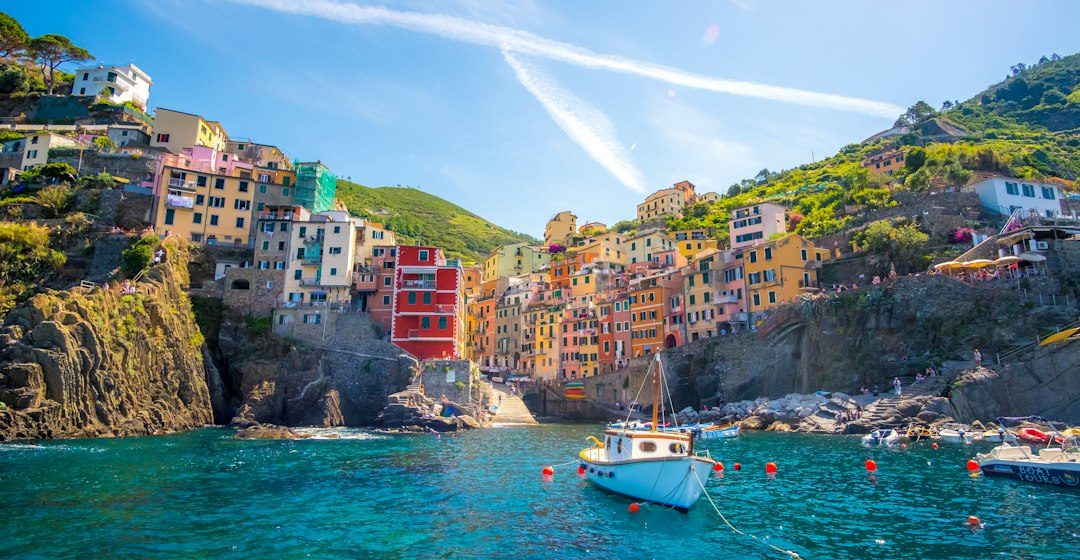
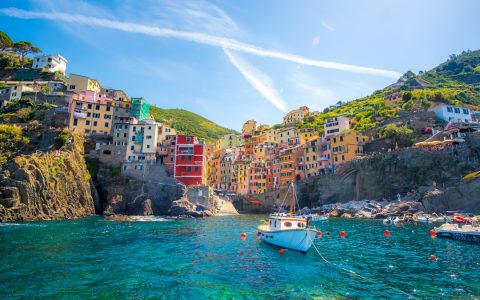
The five villages of Italy’s Cinque Terre are often presented as a single day-trip checklist. In reality, the coastline is a landscape of steep paths, small harbours, working communities and changing weather. Trying to see every village in a few hours can turn a beautiful destination into a sequence of crowded platforms. A slower plan gives you more time to appreciate the differences between the villages and reduces pressure on local infrastructure.
Choose your base around the kind of trip you want
Accommodation inside one of the villages can offer a memorable atmosphere once day visitors have left, but rooms may be small, access can involve steep lanes and luggage is awkward on steps. Nearby towns such as La Spezia or Levanto can provide a wider choice of accommodation and useful rail connections. Compare the total journey to the places you want to visit, not just the nightly room rate. If you have heavy luggage or mobility needs, check the route from the station to the property before booking.
Understand the villages as separate places
Each village has its own layout and feel. Some have a more obvious harbourfront, others are built into a hillside or have a longer walk between the station and the centre. Rather than assuming that one is the best, decide what matters to you: swimming access, restaurants, a quieter evening, a scenic viewpoint or a convenient connection. Give yourself time to wander a little beyond the busiest waterfront.
Use the train for practical connections
The local railway is usually the simplest way to move between the villages and nearby towns. Check current timetables, ticket conditions and any seasonal travel cards through the official rail or park channels. Services can be busy at peak times, so avoid planning a connection with no margin. Keep your ticket accessible and follow the operator’s validation or digital-ticket instructions. Do not assume every train stops at every station.
Check trail conditions before setting out
The coastal paths are a major attraction, but routes can close because of weather, maintenance or safety work. Some sections are steep and uneven, and a trail that looks short on a map may take longer than expected. Check official park notices on the day, wear shoes with proper grip and carry water. Do not climb around barriers or use closed paths for photographs. If a route is closed, take the train and enjoy a village walk instead.
Choose the right time of day
Summer brings long daylight hours but also heat and heavier visitor numbers. Spring and early autumn can be comfortable, although weather remains changeable. Start outdoor walks early, take a midday break and leave time for the last return train. If you want photographs, consider the softer light outside the busiest middle hours, while remembering that residential streets are people’s homes.
Eat locally and travel considerately
Liguria is known for ingredients such as basil, olive oil, seafood and focaccia. Look for seasonal dishes and local specialities rather than expecting every restaurant to offer the same menu. Book ahead if you have a particular dinner in mind, especially in a small village. Keep noise down in narrow lanes, do not block doorways and take rubbish with you when leaving a viewpoint or beach.
A realistic two-day approach
With two days, choose a couple of villages for the first day and another area for the second, leaving space for a longer lunch or a short walk. If you have only one day, choose two or three stops that fit the train timetable instead of racing to all five. A return visit is better than a hurried itinerary that leaves you exhausted.
The Cinque Terre rewards attention more than speed. Choose a convenient base, check trail and train information, and remember that these villages are living communities as well as celebrated scenery. A little restraint makes the experience better for visitors and residents alike.