A6AezDIwNuug
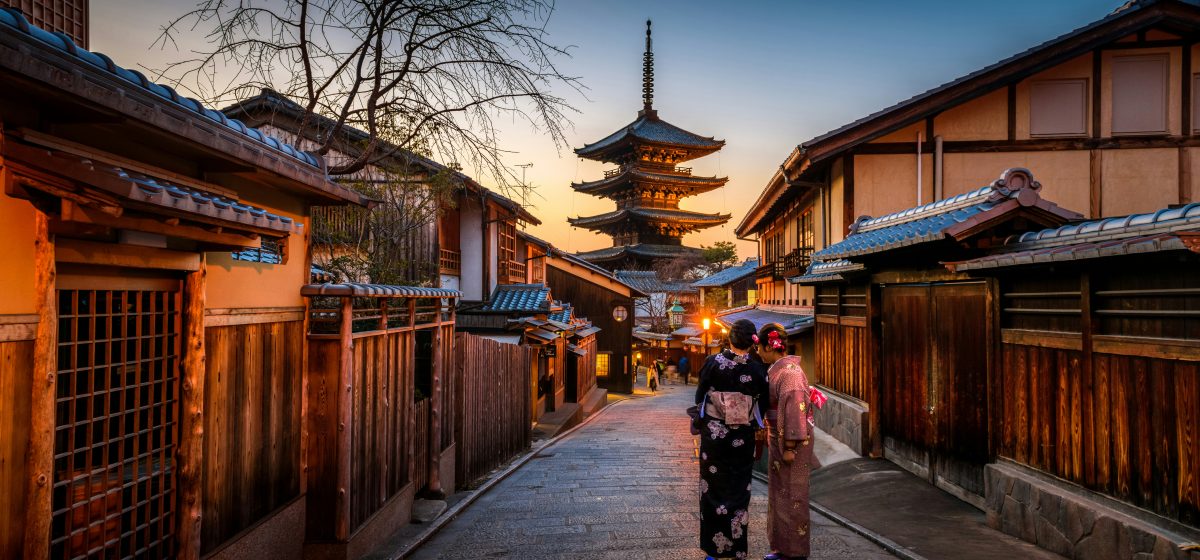
Kyoto is often introduced through a handful of famous images: a temple gate, a bamboo grove, a traditional street or cherry blossoms framing a canal. Those places can be beautiful, but the city is much larger and more varied than a short list of landmarks suggests. A rewarding visit depends on choosing a realistic pace, understanding seasonal conditions and treating residential neighbourhoods with care.
Let the season shape your itinerary
Spring is popular for blossoms, but flowering periods vary with weather and location. Autumn foliage is similarly unpredictable, and peak colour does not arrive everywhere at once. Summer can be hot and humid, making early starts and shaded breaks important. Winter is generally quieter, but some gardens and outdoor routes feel very different in cold or wet weather. Check local forecasts and official attraction information close to your dates rather than planning around a fixed seasonal prediction.
Group sights by area
Kyoto’s attractions are spread across several districts. Choose one area for a morning and nearby streets or gardens for the afternoon. The eastern side can combine temple visits with a walk through historic lanes; the western side is better treated as its own outing. Avoid scheduling distant sites back-to-back simply because they appear close together on a map. Hills, crowds and transport changes all add time.
Visit popular places thoughtfully
Arriving early can make well-known locations calmer and gives you more time to enjoy the setting. Follow posted rules, stay within marked paths and avoid blocking narrow streets for photographs. Some lanes are residential, not open-air attractions. Keep voices low, do not enter private property and ask permission before photographing people. If a place is crowded, consider returning at another time or choosing a less busy nearby route.
Understand temple and shrine etiquette
Signs at each site should guide you. In general, behave quietly, observe how local visitors use the space and avoid touching objects or entering restricted areas. Some buildings require shoes to be removed; others prohibit photography indoors. Do not assume that every site follows identical customs. A moment spent reading the entrance notices is a simple way to show respect.
Move around without overcomplicating the day
Rail, subway and bus services connect much of the city, but the best option depends on the district and time of day. Buses can be slow in heavy traffic. Use a current route planner, check the final return service and keep a little cash or an accepted payment method available for situations where your preferred option is not supported. Walking is pleasant in compact areas, but comfortable shoes matter.
Make room for everyday Kyoto
Spend time in a local shopping street, try a seasonal dish and take a break in a small garden or café. Kyoto cuisine includes much more than one signature meal; menus change with the season and local availability. If you have dietary needs, explain them clearly and confirm ingredients. A little preparation helps avoid awkward surprises.
Build a flexible plan
For a first visit, three or four nights can provide a useful introduction without forcing every major attraction into one day. Choose two priority experiences, then add nearby places only if time and energy allow. Keep an indoor alternative for rain or heat, and check opening days before travelling across town.
Kyoto is at its best when visitors balance curiosity with consideration. By travelling at a humane pace, following local guidance and giving neighbourhoods space to remain lived-in places, you can enjoy the city more deeply while helping protect the atmosphere that makes it special.