A6AezDIwNuug
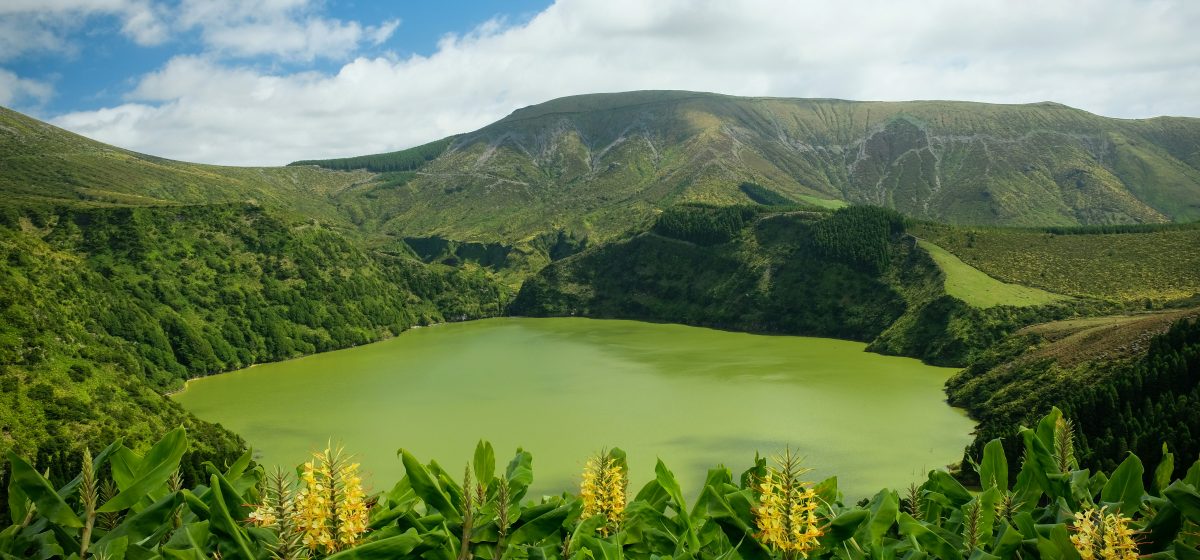
The Azores are often imagined as a single green landscape in the middle of the Atlantic, but the archipelago is a collection of islands with different characters, transport links and outdoor experiences. Volcanic lakes, coastal viewpoints, hot springs, walking routes and small towns can all feature in a visit. The best way to enjoy the islands is to plan around the weather, choose a realistic base and leave enough time for the journey between places.
Choose an island to suit your interests
Do not assume that every island offers the same range of services or activities. Some have more accommodation and transport choices, while others are quieter and require more careful planning. Decide whether you want a base with restaurants and day trips, a walking-focused stay or a multi-island itinerary. Compare flight and ferry connections before booking separate accommodation, and remember that a short distance across the ocean does not always mean a quick transfer.
Allow for Atlantic weather
Conditions can change quickly, particularly around elevated viewpoints and volcanic landscapes. A clear morning may become cloudy or wet later in the day. Check local forecasts and official trail notices before setting out, and avoid planning every outdoor activity for a fixed hour. Keep a flexible alternative such as a museum, local food experience or town walk. If a viewpoint is hidden by cloud, consider returning later rather than driving repeatedly in poor conditions.
Plan transport realistically
Public transport can be limited for reaching some rural sights, so compare bus services, guided excursions and car hire. If you hire a vehicle, read insurance and fuel conditions, check parking arrangements and understand local road conditions. Narrow roads, steep gradients and changing visibility can make driving slower than expected. Do not schedule a long hike immediately after a late arrival or a day of island transfers.
Choose walks that match the day
Use official route information to check distance, elevation, surface, estimated time and current closures. Carry water, suitable footwear and a waterproof layer, even when the town weather looks pleasant. Stay on marked paths, respect barriers and do not approach unstable crater edges or restricted areas for photographs. If you are not confident with navigation, choose a well-marked route or join a qualified local guide.
Enjoy thermal areas responsibly
Geothermal pools and hot springs are part of the islands’ appeal, but access arrangements and water conditions vary. Follow posted guidance, respect time limits where they apply and do not enter areas marked unsafe. Some pools can stain swimwear or affect sensitive skin, so check local advice before visiting. Bring a towel and suitable footwear, and leave the area clean for the next visitors.
Support local communities
Eat at local cafés, try regional produce and consider guides who live in the area. Small businesses may have seasonal opening hours, so check ahead rather than assuming every service is available daily. Be considerate around residential streets and farms, and do not block access roads while stopping for photographs. Wildlife should be observed from a respectful distance, particularly during organised marine excursions.
Build a flexible itinerary
Plan one main outdoor activity each day and leave room for weather changes. If you are visiting more than one island, allow time for delays and avoid connecting an inter-island flight or ferry too tightly with an international departure on a separate ticket. Keep accommodation and transport confirmations accessible offline.
The Azores reward travellers who are prepared but not over-scheduled. Choose a base that fits your interests, respect the natural environment and let the weather guide the day. That balance creates a more enjoyable visit and helps protect the landscapes that make the islands distinctive.