A6AezDIwNuug
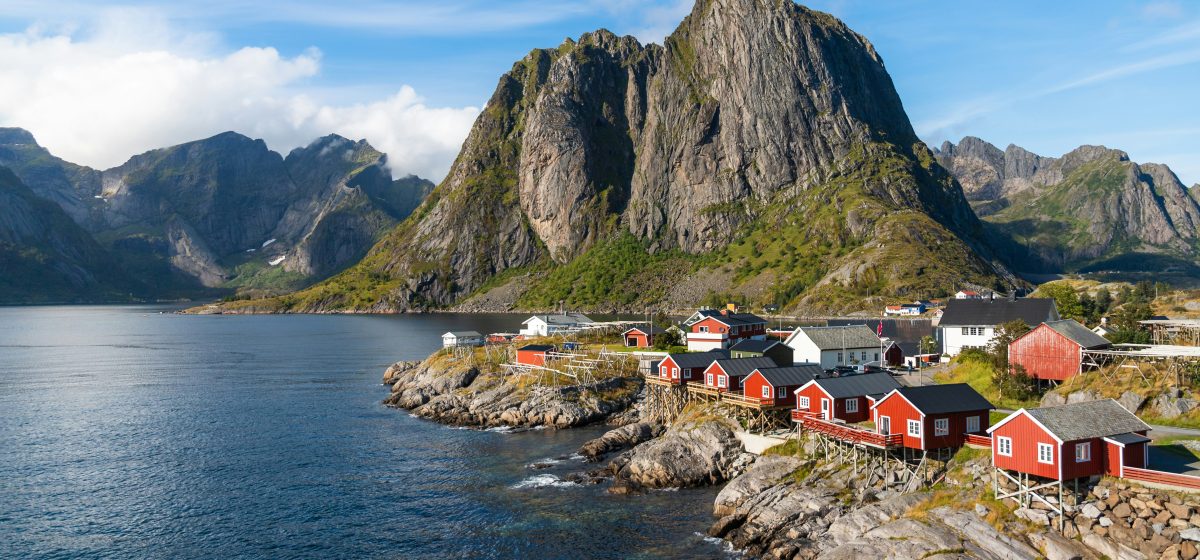
Norway’s fjords are often experienced through a short cruise stop or a scenic drive, but staying in a village beside the water offers a different perspective. Mornings can be quieter, local services become easier to understand and there is more time to explore the landscape on foot. Planning a fjord stay takes a little care because transport, weather and opening hours can vary considerably by season.
Choose a village that fits your route
Start with the transport connections rather than choosing accommodation from a photograph alone. Some villages are linked by regular buses, ferries or regional roads, while others have limited services outside peak season. Check how you will arrive with luggage and whether the last connection of the day gives you enough margin. If you are travelling between several fjord locations, compare the full journey time, including transfers and waiting periods.
Understand seasonal services
Summer usually brings more visitor services and excursions, but also higher demand and busier viewpoints. Spring and autumn can be quieter, although some cafés, boat trips and accommodation providers may operate reduced hours. Winter offers a different atmosphere but brings shorter daylight and potentially challenging road conditions. Check local tourism information and contact providers directly if a particular activity is important to your trip.
Plan viewpoints and walks responsibly
Fjord landscapes can make distances look deceptively short. A viewpoint above a village may involve a steep climb, uneven ground or exposed weather. Use official route descriptions and check current trail notices before setting out. Wear suitable footwear, carry water and a waterproof layer, and tell someone your plan if you are walking in a remote area. Do not cross barriers or enter private land to reach a photo spot.
Use ferries and buses with realistic buffers
Ferry timetables and local bus services can change by season and day of week. Check the operator’s current schedule and understand whether tickets need to be booked in advance. If you are connecting to a long-distance train or flight, leave a generous buffer, especially when separate tickets are involved. Keep an alternative route in mind if weather affects a crossing.
Choose accommodation for access and comfort
Check the exact location, not just the village name. Some properties sit above the waterfront and require a steep walk; others are close to a ferry terminal but may experience traffic noise. Ask about heating, breakfast times, luggage storage and late arrival arrangements. If you need step-free access or other assistance, request precise details before booking.
Support local communities
Small villages depend on local services and may have limited capacity during busy periods. Eat at local cafés, use local guides where practical and follow parking instructions carefully. Do not block farm roads or private driveways for photographs. Keep noise down in residential areas and take rubbish away from viewpoints and walking routes.
Build a flexible fjord itinerary
Plan one main excursion each day and leave time for weather changes. A short boat trip, village walk or local museum can be a good alternative when visibility is poor. If you are driving, check road conditions and fuel availability before a longer route. Avoid scheduling several distant stops in one day simply because they appear close together on a map.
A fjord village stay rewards travellers who slow down and plan around local conditions. Choose a base with suitable connections, respect the landscape and allow enough time to enjoy the place beyond a brief photo stop.