A6AezDIwNuug
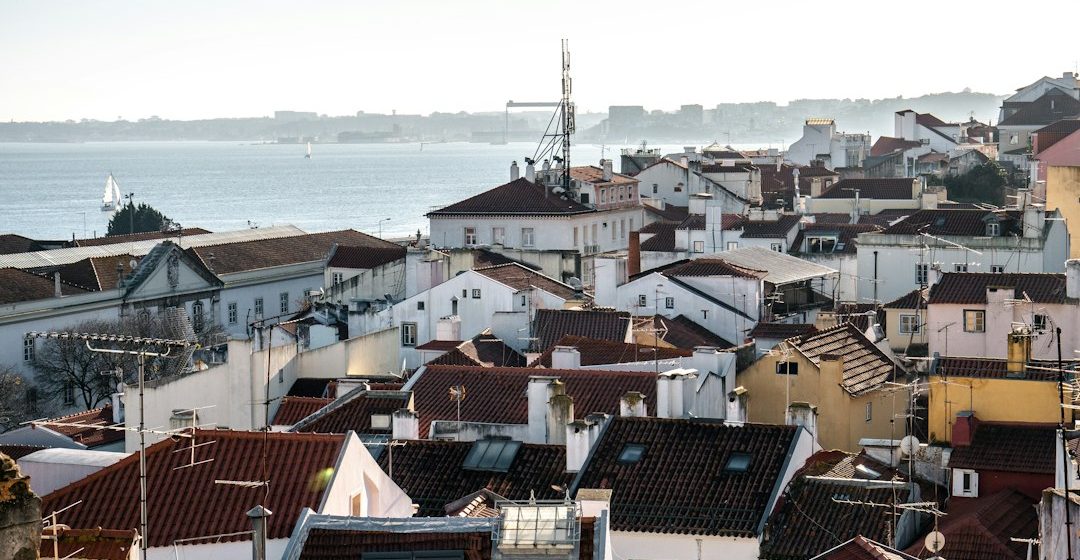
Lisbon is easy to recognise in photographs: tiled façades, steep lanes, yellow trams and rooftops glowing in the late afternoon. The city becomes more rewarding, however, when you resist the urge to collect every famous sight in a single day. Give yourself time to follow a neighbourhood street, pause at a small café and notice how the light changes over the Tagus.
Choose a neighbourhood as your starting point
Rather than crossing the whole city repeatedly, build each day around one or two nearby districts. Alfama is best explored on foot, with time for its narrow lanes, small squares and viewpoints. Baixa and Chiado offer a more regular street layout, shops and easy connections. Bairro Alto is lively later in the day, while Belém works well as a separate half-day because it sits west of the centre.
These areas have different characters, so avoid treating them as interchangeable photo stops. In Alfama, allow for steep pavements and stairs; in Belém, allow extra time for the riverside and the distance between attractions. A flexible plan is more comfortable than a timetable that leaves no room for a long lunch.
Make viewpoints part of the walk
Lisbon’s miradouros are not simply destinations to tick off. They are natural pauses in a hilly city. Pick one viewpoint that fits your route and arrive with enough time to enjoy it. Early morning can feel calmer, while late afternoon often brings softer light. Carry water, wear shoes with reliable grip and remember that polished paving can become slippery after rain.
Use public transport strategically
The metro is useful for longer distances and connections, while buses and trams can help with hills. The famous historic tram routes can be crowded, so do not make one ride the centrepiece of a tight itinerary. Check current routes, fares and service notices before travelling, and compare the cost of a stored-value or day ticket with the journeys you actually expect to make. Walking is often the best way to understand the central districts, but there is no prize for walking every hill.
Eat with curiosity, not a checklist
Try a mix of familiar Portuguese dishes and whatever is seasonal. A neighbourhood bakery, a simple lunch counter or a market stall can be as memorable as a highly rated restaurant. If you have dietary requirements, learn a few useful phrases and ask about ingredients rather than relying on assumptions. Lunch hours and opening days vary, particularly outside the busiest areas.
Leave room for unplanned discoveries
One of the pleasures of Lisbon is that a short walk can turn into an hour of exploring. Keep one flexible block in each day, save your accommodation address offline and note the nearest transport stop for the journey home. If you plan a day trip, check the return timetable before setting out.
A simple three-day rhythm
Spend one day around Baixa, Chiado and a nearby viewpoint; give another to Alfama and the historic eastern centre; and reserve a third for Belém or a slower riverside day. This is a framework, not a race. If a museum, meal or street captures your attention, let the schedule breathe.
Lisbon rewards travellers who look beyond the headline attractions. A thoughtful route, comfortable shoes and time for ordinary neighbourhood moments can make the city feel less like a checklist and more like a place you have begun to understand.