A6AezDIwNuug
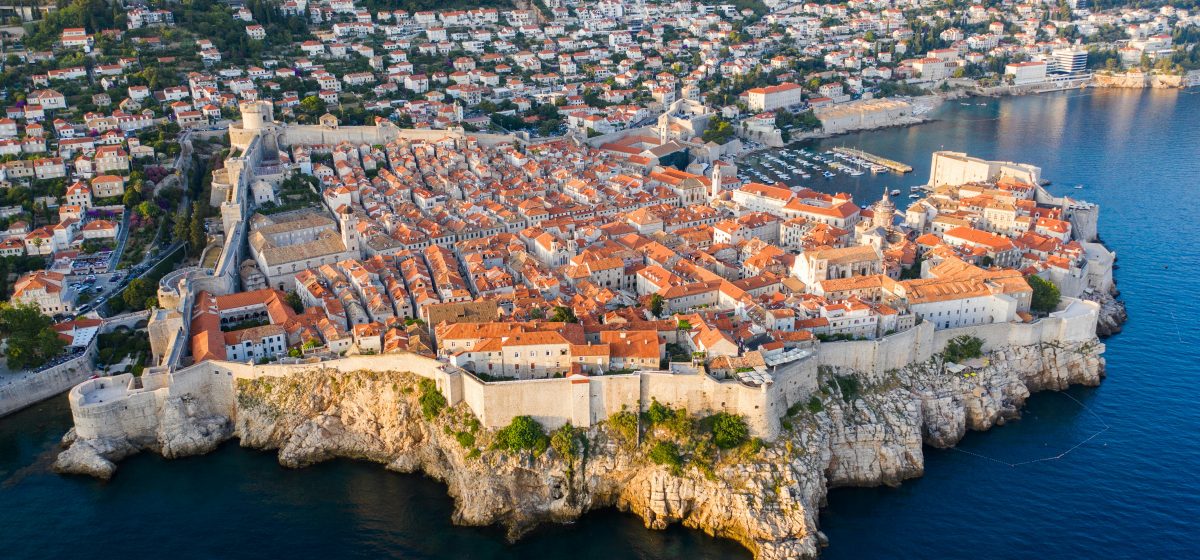
Dubrovnik’s stone streets, city walls and Adriatic views make it one of Croatia’s best-known destinations. The old town is compact enough to explore on foot, but its popularity means timing and pacing matter. A visit built only around the busiest viewpoints can feel crowded. By balancing the historic centre with quieter coastal walks and nearby places, you can understand more of the city and enjoy it at a calmer pace.
Choose the right time for the old town
Early morning and later afternoon can feel different from the busiest middle hours, particularly when cruise and coach groups arrive. Check opening times for the city walls and museums, and decide whether the walls are a priority for your trip. In warm weather, carry water and plan shade breaks. Stone paving can be slippery when wet, and some streets involve steep steps.
Understand the city walls experience
Walking the walls offers a distinctive view of rooftops and the coastline, but it involves stairs, exposure to sun and a one-way route in some sections. Check current ticket arrangements, access rules and weather conditions before setting out. Wear comfortable footwear and allow enough time to complete the walk without rushing. If you have mobility concerns, check accessibility details in advance rather than assuming the route is suitable.
Explore beyond the main streets
Give yourself time to wander through smaller lanes, visit local shops and notice the architecture away from the busiest squares. Be mindful that the old town is also a residential neighbourhood. Keep noise low, do not enter private courtyards and avoid blocking doorways for photographs. Support local businesses where practical, and be cautious about buying souvenirs made from protected natural materials.
Use the coast as part of the itinerary
Dubrovnik’s coastal setting offers swimming spots, boat excursions and viewpoints outside the central streets. Check sea conditions and operator information before booking a trip. If you plan to swim, use designated access points and be aware that rocky entries can be slippery. Choose a boat operator that explains safety procedures and respects marine areas.
Plan transport and accommodation realistically
Accommodation inside or near the old town can be convenient, but access may involve steps and luggage can be difficult on cobbled streets. Compare properties with a map and check the exact route from the arrival point. Public transport and taxis can help with longer distances, but confirm the location of stops and any pedestrian-only zones. If you hire a car, check parking arrangements before arrival.
Consider a nearby excursion
If you have more than a day, choose one nearby island, coastal town or countryside visit rather than trying to fit several into one schedule. Check ferry and bus timetables and leave a buffer for return journeys. If travelling in shoulder season, confirm that the service operates on your dates. Weather can affect boat trips, so have an alternative plan.
Eat and travel with care
Look for seasonal Dalmatian dishes and ask about local seafood or regional produce. Check menu prices before ordering and book ahead for a particular restaurant in busy periods. Respect local rules around swimming, waste and protected areas. A thoughtful visit supports the city’s residents as well as its tourism businesses.
Dubrovnik is more than a backdrop for photographs. Take time to understand its historic streets, enjoy the coast and plan around the busiest periods. A balanced itinerary makes the city feel less rushed and helps protect the character that draws visitors there.