A6AezDIwNuug
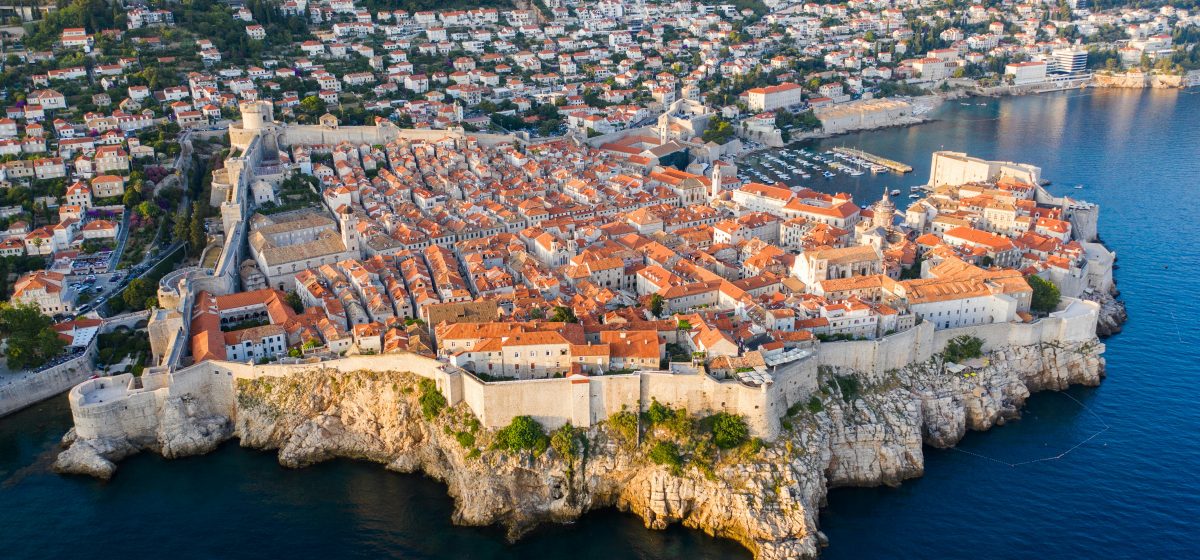
Croatia’s coastline and islands make multi-stop travel tempting. It can be exciting to visit several places in one holiday, but too many short stays can turn the trip into a sequence of packing, checking out and waiting for ferries. A relaxed island-hopping route begins with fewer bases, realistic connection times and an understanding of how seasonal services operate.
Choose a route before choosing every hotel
Start by deciding which coastal region or group of islands interests you. Check the ferry network and identify routes that operate on your travel dates. Not every island is connected directly to every other island, and some journeys require returning to a mainland port. Build the route around actual services rather than assuming that a short distance on the map means a simple crossing.
Stay long enough to enjoy each base
Changing accommodation every night can be tiring and leaves little time to explore. Consider staying two or three nights in a place that offers the activities you want, then moving on. A longer stay also gives you flexibility if weather affects a boat trip. If you have limited time, choose fewer islands rather than trying to visit every well-known harbour.
Check ferry timetables and ticket conditions
Use the official ferry operator information for schedules, ports and ticket rules. Services may be more frequent in summer and reduced in other seasons. Check whether a reservation is needed, whether foot passengers and vehicles use different procedures and how early you should arrive. If you are connecting to a flight or another separately booked service, leave a generous buffer.
Travel light between ports
Carrying large suitcases over cobbled streets and busy quays can make transfers difficult. Pack for the actual length of stay and choose a bag you can manage independently. Keep documents, medication and valuables in a smaller bag. Check whether accommodation offers luggage storage if your ferry arrives before check-in or departs after checkout.
Think carefully about car hire
A car can be useful on larger islands or for reaching rural areas, but it may add ferry costs, parking challenges and restrictions in historic centres. Compare the total price with local buses, taxis and organised excursions. Check the rental agreement, insurance, fuel policy and permitted ferry use before taking a vehicle between islands.
Plan around the season
Summer offers more services but also brings crowds and higher prices. Shoulder seasons can be quieter, though some routes and businesses may run less often. Check opening hours and transport before booking. Weather can affect sea crossings, so avoid scheduling a tight international connection after a ferry on a separate ticket.
Leave space for local experiences
Choose a few activities that matter most, such as a coastal walk, a local food experience or a boat trip. Ask accommodation hosts about village markets and practical transport. Respect residential streets, swimming rules and protected marine areas. Support local businesses and avoid leaving rubbish at beaches or viewpoints.
Island hopping works best when the route feels like a holiday rather than a race. Check the real ferry network, limit the number of bases and leave room for weather and local discoveries. A slower itinerary can make each island feel more memorable.