A6AezDIwNuug
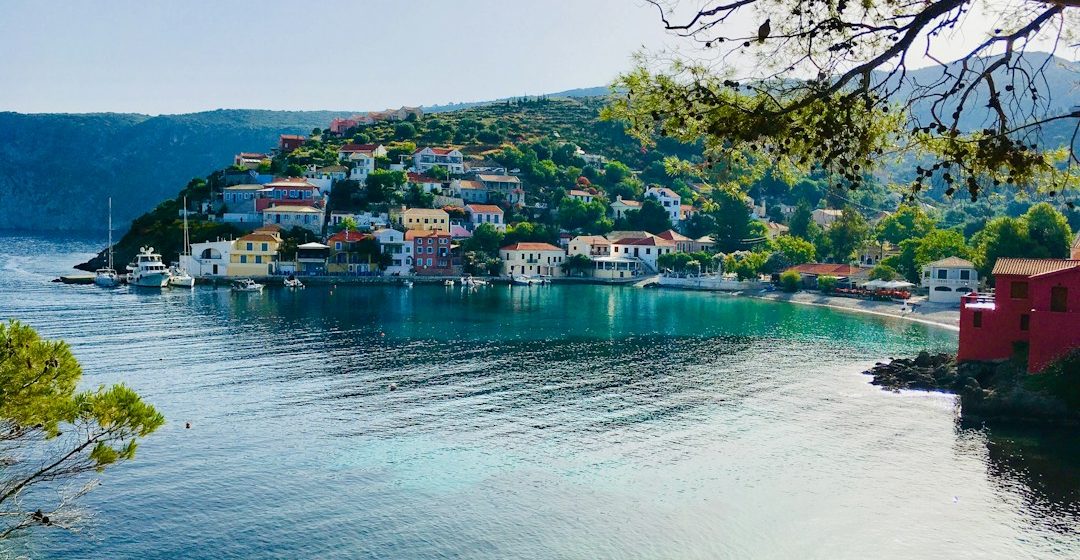
A Greek island holiday can mean very different things: a quiet village, a lively harbour, a walking-focused break or a week built around swimming and boat trips. The island you choose matters, but so does the place you stay on it. Two resorts on the same island can offer very different access to beaches, public transport, restaurants and evening life. Choosing a base carefully can make the whole trip easier.
Start with the holiday you actually want
Before comparing islands, decide what a good day looks like. If you want to walk, look for villages with marked routes and access to the countryside. If beaches are the priority, check how far the accommodation is from the shore and whether the route is practical in the heat. If you prefer restaurants and a little evening activity, a working harbour or larger village may suit you better than an isolated resort. Families may value a short transfer and nearby shops, while couples seeking quiet may prefer a smaller settlement.
Look beyond the island’s best-known resort
Popular resorts can be convenient, but they are not automatically the best fit. Explore the island map and compare a few settlements. Check where the main port is, how long transfers take and whether buses connect the places you hope to visit. A low-cost room in a remote location can become expensive if you need taxis every day. Conversely, a slightly higher rate near a bus route or town centre may reduce transport costs and save time.
Understand ferry and flight connections
Island travel often depends on schedules that change by season and weather. Check the current ferry timetable and whether your route is direct or requires a connection. If you arrive by air and plan to take a ferry on the same day, allow a generous buffer: baggage collection, airport transfers and port check-in all take time. Avoid building an itinerary around the last possible connection unless you have a backup plan. If the journey uses separate tickets, understand who is responsible if a delay causes you to miss the next leg.
Think carefully about the season
High summer brings long days and many services, but also heat, crowds and higher accommodation prices. Shoulder-season travel can be calmer, although some beach businesses, boat trips and smaller hotels may operate reduced schedules. Spring and autumn can be excellent for walking and exploring, but check local opening dates before booking. Weather is variable, and ferry services can be affected by conditions at any time of year.
Check the practical details of the accommodation
Read the exact location and room description. Some island properties are built on steep hillsides, which can be difficult with luggage or mobility needs. Ask about stairs, lifts, parking, air conditioning, breakfast and late check-in. If you expect to work remotely, confirm the internet arrangement rather than relying on a general claim. Recent reviews can reveal recurring noise or maintenance issues, but compare several sources and look for patterns.
Plan transport realistically
Some islands have useful bus networks; others are easier to explore with a rental vehicle or organised excursions. Check driving requirements, insurance terms, parking and local road conditions before hiring a car or scooter. Do not assume that every beach or mountain village is served frequently. If you prefer not to drive, choose a base with services you can reach on foot and plan a smaller number of outings.
Travel with consideration for island communities
Water, waste and transport resources can be under pressure in busy periods. Use water thoughtfully, follow local parking and beach rules and avoid leaving rubbish behind. Choose local businesses where practical and respect residential streets, especially late at night. A little flexibility helps when small businesses have changing hours or weather affects an excursion.
The best Greek island base is the one that supports the holiday you want, not simply the one that appears most often in photographs. Compare the location, connections and seasonal rhythm before booking, then leave room to discover the island at its own pace.