A6AezDIwNuug
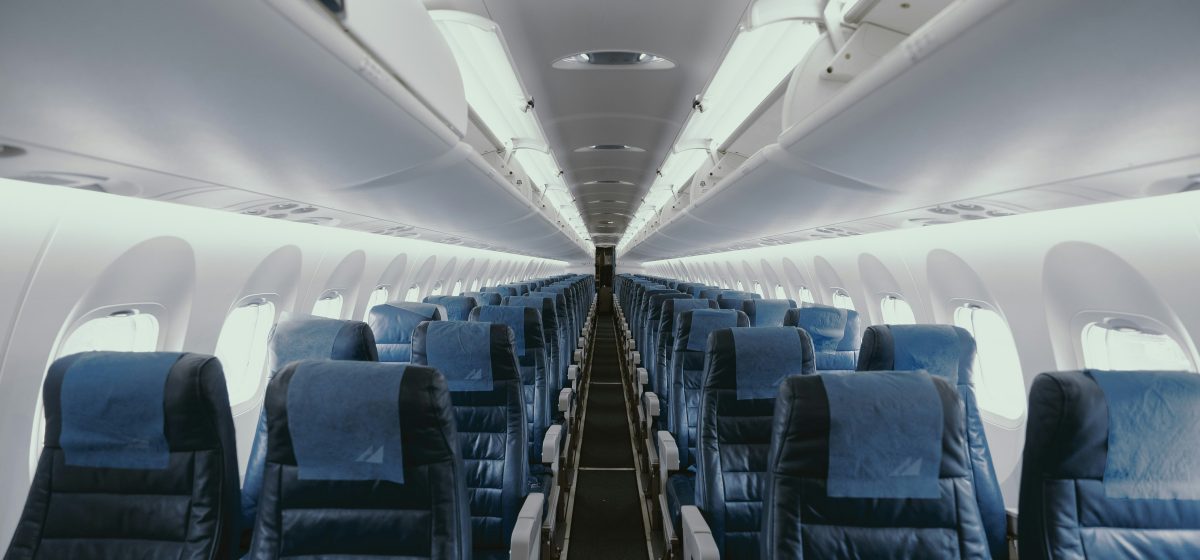
Knowing the layout of an aircraft can make boarding less stressful, especially when you are travelling with cabin baggage, children or someone who needs assistance. Seat maps, overhead-bin arrangements and airline policies vary by aircraft and operator. A little research before departure helps you choose a seat that suits your needs and understand what may happen to your bag at the gate.
Use the seat map as a guide, not a guarantee
Airline seat maps show the planned cabin layout, but aircraft can change before departure. A seat that appears to have extra space may have restrictions, limited recline or nearby galley activity. Read the airline’s seat information and check the aircraft type if it is important to you. Avoid relying on unofficial seat-map comments without confirming the details with the carrier.
Think about aisle, window and middle seats
An aisle seat can make it easier to stand and reach the lavatory, while a window seat offers a view and a place to lean. A middle seat may be less convenient but can be the only way for a group to sit together on some flights. Consider the length of the journey, your mobility and whether you expect to sleep. Seat selection fees vary, so compare the cost with the benefit.
Understand overhead-bin space
Bin size and availability depend on the aircraft and how full the flight is. Airlines may ask some passengers to place larger cabin bags in the hold, particularly on busy services. Keep medication, valuables, documents, power banks and essential items in a smaller personal item that stays with you. Check the airline’s rules for batteries and electronic devices before packing.
Check exit-row and bulkhead restrictions
Exit-row seats may offer more legroom but come with eligibility requirements and responsibilities. They may not be suitable for passengers who need assistance, are travelling with infants or cannot follow crew instructions in an emergency. Bulkhead seats can have fixed armrests and limited under-seat storage during take-off and landing. Read the airline’s description and ask staff if you are unsure.
Plan seating for families and groups
If you need to sit together, book early where possible and confirm the airline’s family seating policy. A seat map may show available seats, but availability can change. If a child is travelling with an adult, check the operator’s rules and any applicable regulations. Do not assume that a group will be seated together automatically when booking separate tickets.
Consider accessibility and comfort
Contact the airline in advance if you need wheelchair assistance, an aisle chair, additional space or help boarding. Ask about the route from check-in to the aircraft and whether a specific seat is appropriate for your needs. Keep essential medical items accessible and inform the airline about any equipment that must be carried onboard.
Board with a simple plan
Keep your boarding pass ready, know your seat number and place smaller items under the seat where permitted. Do not block the aisle while rearranging bags. If the overhead bin above your seat is full, follow crew instructions rather than moving other passengers’ belongings. Before leaving the aircraft, check the seat pocket and floor for small items.
Understanding the cabin before you fly helps you make more confident choices. Check the airline’s own seat and baggage information, plan for storage and choose a seat that matches the way you travel.