A6AezDIwNuug
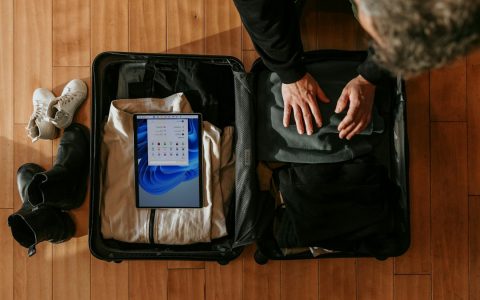
The easiest bag to travel with is not necessarily the smallest; it is the one that contains what you need and keeps it easy to reach. Overpacking can slow you down at security and boarding, while leaving essential items in checked luggage can create problems if a bag is delayed. A simple division between must-have items, useful extras and things best left at home makes travel days more manageable.
Keep identity and booking documents secure
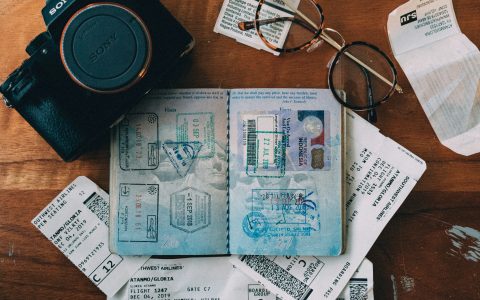
Carry the passport or identity document required for your journey, boarding details and any necessary visas or travel permissions. Check validity and entry rules before departure through official sources. Save booking confirmations and accommodation details securely, and keep a backup that does not rely on mobile data. Do not place sensitive personal information where it can be easily seen by other passengers.
Keep essential medication with you
Medication that you may need during the journey should normally stay in your personal item, not in checked baggage. Keep it in its original packaging where practical and follow storage instructions. Check rules for carrying medicines into the destination and through transit countries; some medicines require documentation or have restrictions. Pack enough for the trip and allow for a reasonable delay, within safe storage limits.
Protect valuables and payment methods
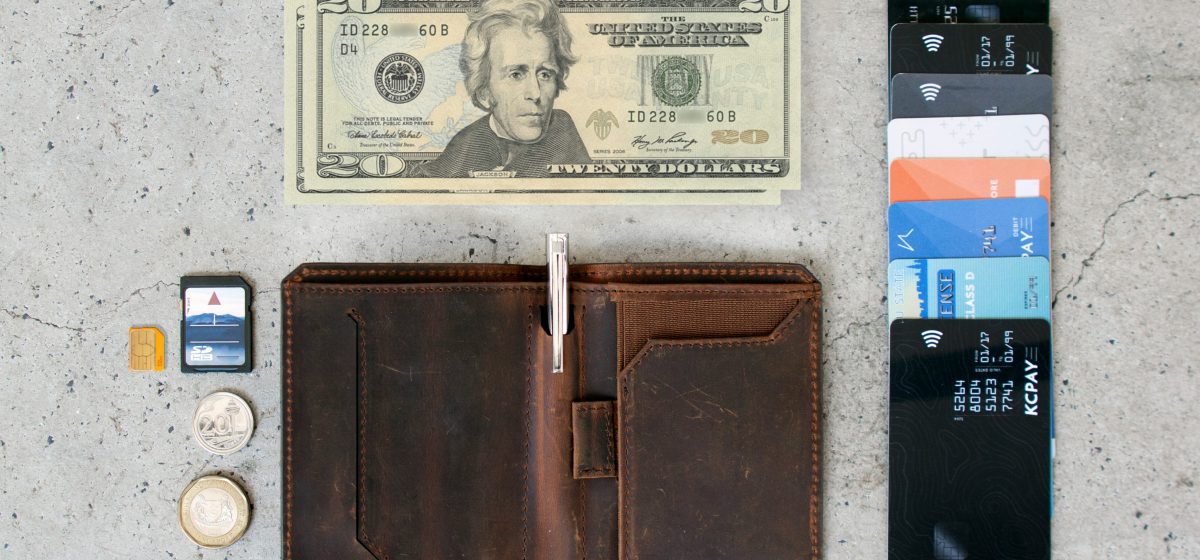
Keep your wallet, phone, keys and important documents in a secure place that stays with you. Carry more than one payment method if possible and store them separately. Avoid displaying large amounts of cash or leaving valuables unattended in a seat pocket. If you use a travel wallet or organiser, practise accessing it before the airport so you are not opening every compartment in a queue.
Choose technology deliberately
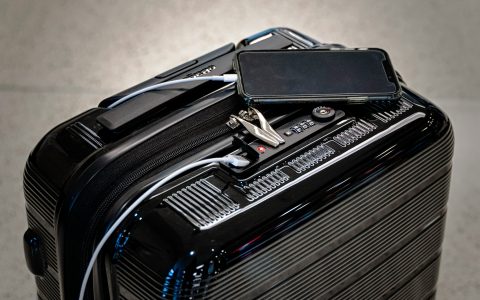
Bring the phone charger, adapter and any device you will genuinely use. Check airline rules for power banks and spare batteries, as these are subject to specific carriage requirements. Download tickets, maps and entertainment before departure, and make sure your devices have enough charge. Leave unnecessary gadgets at home if they add weight and create more items to keep track of.
Pack a small comfort kit
A light layer, tissues, hand sanitiser, earplugs or headphones and a reusable water bottle can make a long journey more comfortable. Bring snacks that comply with airline and destination rules, especially if you have dietary needs. Keep liquids within the current security policy for your airport. Avoid filling your personal item with products you can easily buy at the destination.
Leave restricted and replaceable items behind
Check the prohibited-items list for your route before packing tools, sharp objects, sporting equipment or unusual electronics. Do not carry items for someone else unless you know exactly what they are and have checked the rules. Everyday items such as bulky toiletries, spare clothing for every possible weather condition and duplicate chargers may be unnecessary for a short trip.
Prepare for a delayed or separated bag
If you are checking a suitcase, keep a change of essential clothing, medication, documents and valuables in your cabin bag. Put contact details on the outside and inside of your luggage without exposing more personal information than necessary. Photograph the bag and note its distinguishing features before checking it in. Keep the baggage receipt until the bag is safely returned.
Do a calm final check
Before leaving home, check departure time, route to the airport or station, baggage rules and the weather at your destination. Make sure doors and windows are secure and that someone knows how to reach you if needed. Put your documents in their usual place and avoid moving them repeatedly between bags.
Travel-day organisation is mostly about keeping the essentials close and reducing the number of things you must manage. Pack for the journey you are taking, not every imagined emergency, and leave home with enough time to deal with the unexpected.