A6AezDIwNuug
Long journeys are rarely difficult because of one big problem. More often, it is the accumulation of small decisions: where the ticket is, whether the next connection is on time, when to eat and how to keep essential belongings close. A few repeatable habits can make a noticeable difference. The aim is not to plan every minute, but to remove avoidable friction so you can give more attention to the journey itself.
Give every essential a consistent place
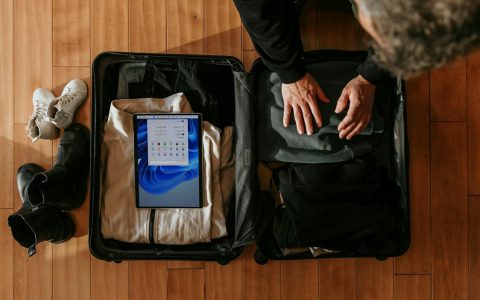
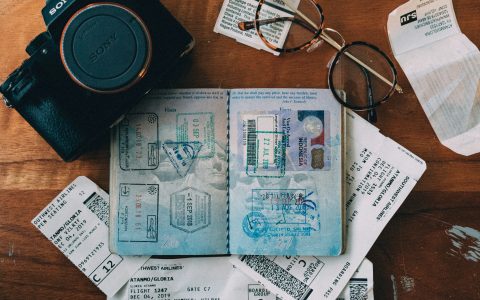
Choose one secure pocket or pouch for the items you need most often, such as your passport, travel card, phone and payment method. Return each item to the same place after using it. This simple routine reduces the familiar search through bags at a ticket gate or check-in desk. Keep valuables out of easy-to-reach outer pockets, and avoid placing documents loose in a seat-back pocket.
Separate items you may need during the journey from those you will not use until arrival. A compact day pouch can hold a charging cable, headphones, tissues, a pen and any personal essentials. Keep medication in its original packaging where practical and check destination rules before travelling with it.
Prepare for periods without reliable signal
Download tickets, accommodation details, maps and key confirmations before leaving. Some apps require an internet connection or refresh a boarding pass, so follow the provider’s instructions and keep a suitable backup where allowed. Save important addresses and contact numbers offline. A short written note can be useful if a phone battery fails or a device is misplaced.
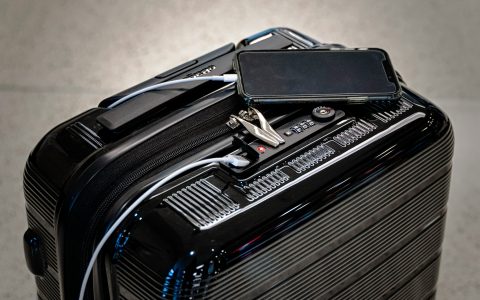
Charge devices before departure and carry a suitable power bank if permitted by the transport operator. Check current rules for spare batteries and keep them in the required baggage. If you are travelling internationally, understand your roaming or data options before relying on mobile access.
Plan the whole route, including the quiet gaps
Look beyond the departure time. Consider how you will reach the station or airport, where you need to change, how far the platforms or terminals are apart and what happens if a service is delayed. Check official operator updates close to departure. For flights, use the airline’s stated check-in and boarding deadlines rather than a generic rule; for rail and coach journeys, check platform information and luggage guidance.
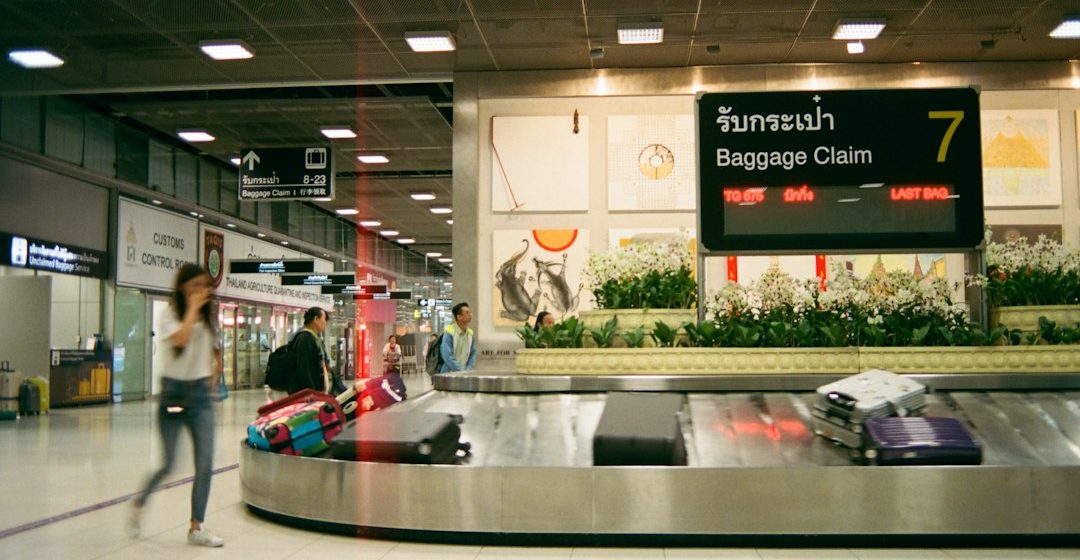
Build in a realistic buffer for transfers, queues and unfamiliar stations. A connection that looks possible on a timetable may feel rushed if you have to change terminals, pass border control or collect checked baggage. When separate tickets are involved, understand who is responsible if a delay causes you to miss the next service.
Make comfort part of the plan
Think about food, water, temperature and movement. Pack a snack that travels well, and check whether food or drink can be carried through security or onto the service. Wear layers that are easy to add or remove. On a long train, coach or flight, take opportunities to move safely when permitted and avoid leaving essential items scattered around your seat.
Do not overpack entertainment. Download one or two things you genuinely want to read or watch, then leave room for rest. If you are travelling with children or companions, agree on a simple way to share updates and regroup if someone needs a break.
Use a short arrival routine
Before the final stop, check that your phone, wallet, documents and bags are accounted for. Confirm the route from the station or airport to your accommodation and whether late check-in needs to be arranged. Keep the address available offline and use official transport information where possible. If plans change, pause somewhere safe before reorganising bookings or payment details.
A five-minute pre-departure check
- Put documents and valuables in their usual secure place.
- Save tickets, addresses and essential contacts offline.
- Check live updates and the full transfer route.
- Confirm baggage, battery and security rules with the operator.
- Pack water, a snack and one comfortable extra layer where appropriate.
Make the routine your own
The most useful travel habits are the ones you can repeat without thinking. Keep essentials organised, prepare for offline moments and check the route using reliable updates. A little consistency makes long journeys easier to manage while leaving plenty of room for the unexpected discoveries that make travelling worthwhile.
Editorial note: Transport, security and baggage rules vary by route and operator. Check current official guidance before departure.
Photo credit: Surface / Unsplash.