A6AezDIwNuug
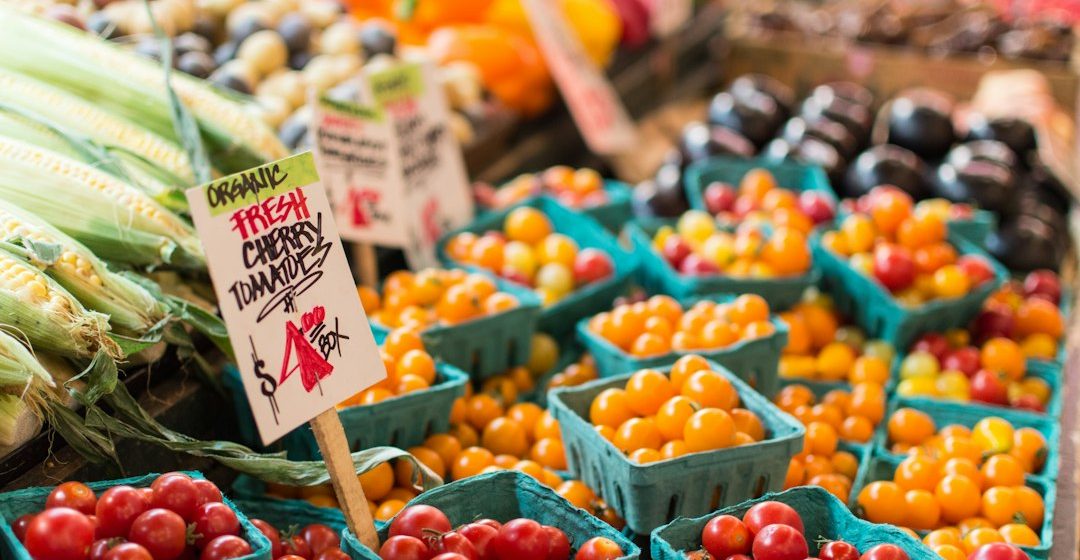
Food is one of the easiest ways to notice the character of a destination. Ingredients in a market, dishes served at a particular time of year and the way people gather around a meal can reveal details that a sightseeing route might miss. Eating seasonally gives travellers a practical way to explore local food culture.
Let the season guide your expectations
Menus and markets change through the year. A coastal town may highlight different seafood depending on local seasons and regulations, while a rural area may celebrate a harvest or a particular fruit. Rather than arriving with a fixed list of dishes, ask what is currently in season. You may discover a speciality that rarely appears in year-round visitor menus.
Visit markets with curiosity
Walk around once before buying and notice which stalls attract local shoppers. Check when prepared-food stalls begin serving; some markets are busiest early in the morning, while others come alive later in the day. Ask vendors how an ingredient is usually cooked when they are not busy. Be considerate of queues and ask permission before photographing people.
Choose experiences with context
A cooking class, food walk or farm visit can explain how ingredients connect to landscape and tradition. Read the itinerary and check who leads the experience, what is included and whether the group size suits you. Independent cafes, bakeries and family-run restaurants can also offer a sense of place without a formal tour.
Be clear about dietary needs
If you have an allergy or dietary requirement, explain it directly and ask about ingredients, sauces, oils and shared preparation surfaces. A translated card can help, but it cannot guarantee that a dish is free from cross-contact. If staff are unsure, choose another option rather than relying on a guess.
Enjoy local food responsibly
Order portions you can finish or share dishes where appropriate. Carry a reusable bag if practical and consider how fresh food will be stored if you are travelling for several hours. Supporting small producers is most meaningful when the business operates safely and treats workers fairly.
A seasonal-food checklist
- Ask what ingredients are local and in season.
- Check market opening times and food-stall hours.
- Choose experiences with clear itineraries and local hosts.
- Communicate dietary needs specifically.
- Respect vendors, queues and local customs.
Editorial note: Food availability, hygiene standards and allergen communication vary by location. Use reliable local information and your own judgement.
Photo credit: Anne Preble / Unsplash.