A6AezDIwNuug
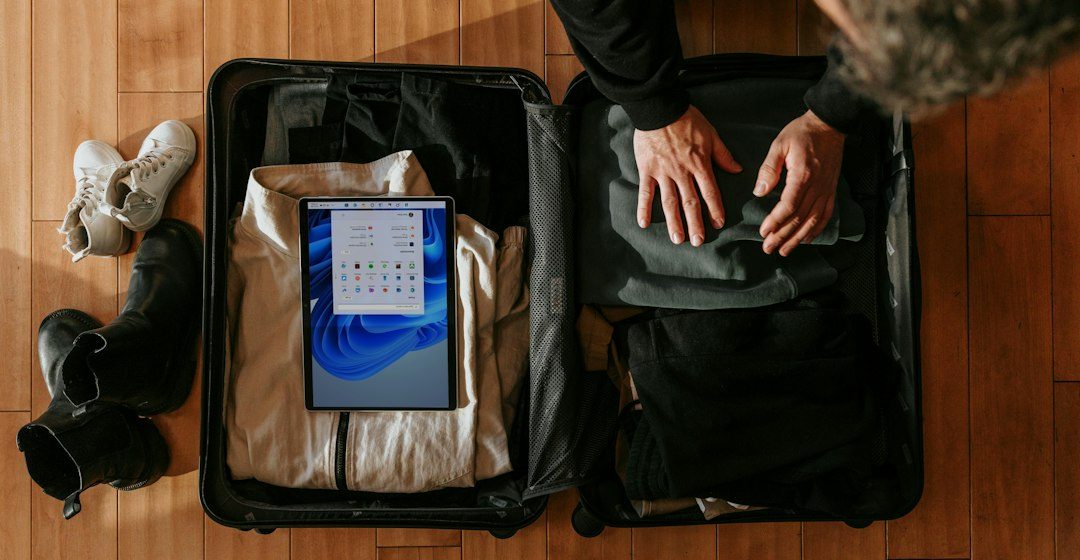
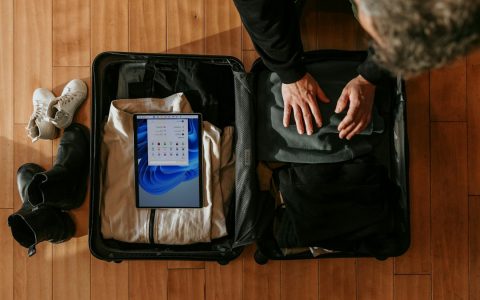
Travel-day stress often comes from forgetting one small but important item. A passport left in a drawer, medication packed in checked luggage or a charger buried at the bottom of a case can complicate an otherwise straightforward journey. A short checklist, used consistently, is more reliable than trying to remember everything while rushing out of the door.
Put documents in one secure place
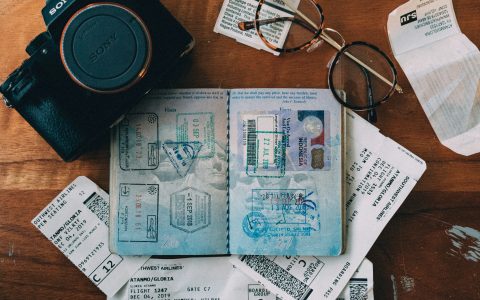
Check that your passport or identity document is valid for the destination and that any required visas or permissions are in place. Keep tickets, accommodation details and insurance information accessible. Save digital copies securely, but do not rely on a phone alone. If travelling internationally, check entry and transit requirements through official sources close to departure, as rules can change.
Keep medication and essential health items with you
Pack necessary medication in your cabin bag and keep it in its original packaging where practical. Check whether the destination has restrictions on medicines and whether you need documentation. Bring enough for the trip plus a reasonable contingency if travel is delayed, following the medicine’s storage instructions. Do not place critical medication in luggage that may be checked at the gate.
Check chargers and power requirements
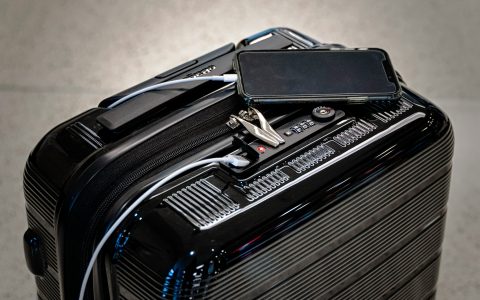
Take the charging cable and adapter you actually need, and confirm whether your destination uses a different plug type or voltage. A power bank may be subject to airline rules and usually needs to be carried in cabin baggage; check the specific carrier’s limits before departure. Charge devices and download boarding passes, maps and entertainment before leaving home.
Pack a small change of essentials
A spare top, underwear and basic toiletries can be useful if checked baggage is delayed. Keep liquids within the applicable airport security rules and use a leak-proof pouch. An empty reusable water bottle can be filled after security where facilities allow. If you wear glasses or contact lenses, pack the supplies you need for the journey.
Check baggage rules for every carrier
Measure and weigh your bags according to the airline’s current allowance, including handles and wheels. If your trip includes more than one airline, check each operator’s rules rather than assuming the first carrier’s limit applies throughout. Review restrictions on sharp objects, liquids, batteries and sports equipment. A bag that fits physically may still exceed the permitted weight.
Make the journey comfortable
Wear layers suitable for the aircraft or train and the weather at your destination. Keep a light layer, headphones, reading material and snacks accessible if allowed. If you are prone to motion sickness or have specific comfort needs, prepare the items you normally use and follow appropriate medical advice. Avoid carrying more loose items than you can manage at security and boarding.
Do a final home check
Before locking the door, check the route to the airport or station, departure time and any service disruption. Confirm that windows and doors are secure, essential appliances are off where appropriate and someone has the information needed to look after pets or plants. Keep keys and travel documents in the same place until departure. Leave enough time for unexpected traffic or queues.
Use the list, then stop repacking
Once the essentials are checked, resist the temptation to empty the bag repeatedly. A consistent system makes it easier to spot what is missing. After the trip, update the list based on what you used and what you never needed. Over time, it becomes a simple routine that suits your own style of travel.
Good preparation is not about packing for every imaginable situation. It is about protecting the essentials, checking the rules and leaving home with enough time to travel calmly.