A6AezDIwNuug
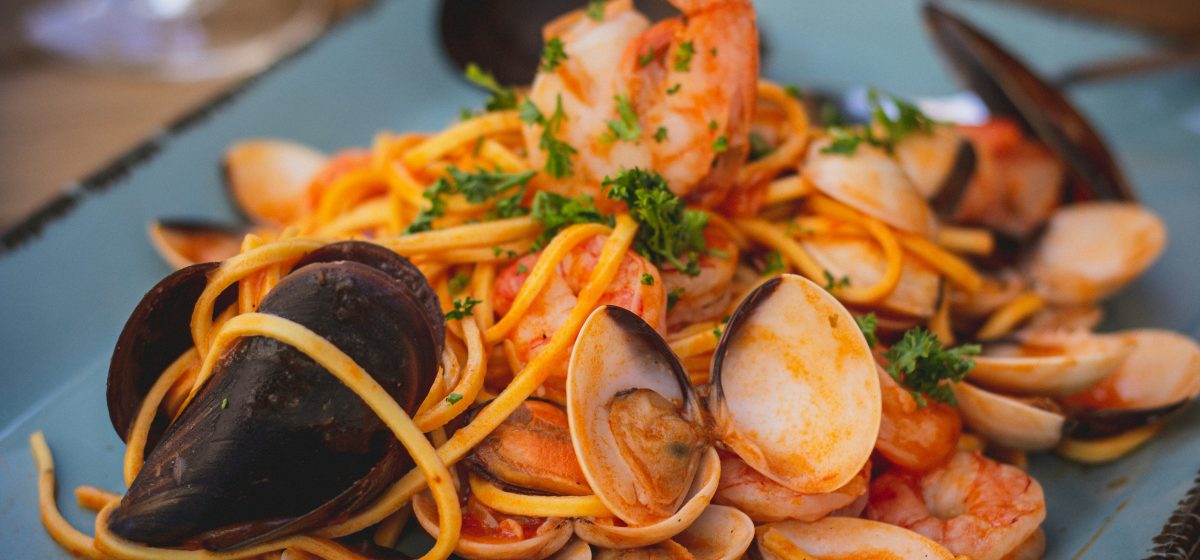
Eating seafood by the coast can be a memorable part of a holiday. A simple plate of fish, shellfish or pasta may reflect the local landscape, fishing traditions and seasonal ingredients. But menus can be difficult to interpret, and not every seafood choice is equally responsible. Asking a few questions helps you enjoy regional cooking while making more informed decisions.
Look for dishes connected to the region
Coastal communities often have long-standing ways of preparing fish and shellfish, from grilled whole fish to stews, soups and pasta dishes. Ask which dishes are typical locally and what is available that day. A daily special may reflect the catch and market supply better than a fixed tourist menu. Regional traditions differ, so avoid assuming that one preparation represents an entire country or coastline.
Ask what species you are ordering
Menu names can be translated loosely or refer to several species. If the exact fish matters to you, ask the restaurant to identify it and whether it is locally sourced. Some species are more vulnerable to overfishing, and availability varies by region and season. Where reliable local guidance is available, use it to understand which choices are more responsible.
Understand seasonality and sourcing
Seafood availability depends on local seasons, weather, fishing rules and supply chains. A restaurant may source from nearby ports or use wholesalers from farther away. There is no need to turn every meal into an investigation, but a clear answer about sourcing can be a useful sign of transparency. Be cautious of claims such as “fresh catch” when the restaurant cannot explain what that means.
Check preparation and dietary needs
Seafood dishes can include stock, sauces, butter, wine or other ingredients that are not obvious from the menu. If you have an allergy, explain it clearly and ask staff to confirm whether the kitchen can avoid cross-contact. Do not assume that a dish is safe because it contains no visible shellfish or fish. A translated allergy card can help when travelling in a language you do not speak confidently.
Choose a restaurant for more than the view
A waterfront location can be attractive, but it does not guarantee good food or fair pricing. Read the menu and check prices before sitting down. Look at recent reviews for repeated comments about quality and service, but remember that one person’s experience may not represent every visit. A small restaurant one street back from the harbour may offer a more relaxed meal.
Consider the wider environmental impact
Ask whether the restaurant offers locally caught or responsibly sourced options and whether it can identify the species. Avoid dishes or experiences that involve protected wildlife or illegal trade. If you join a fishing or seafood tour, check that it follows local regulations and respects marine habitats. Small decisions across a trip can help support better practices.
Enjoy the meal at a local pace
Meal times and service styles vary. Some places serve lunch for a limited period, while others offer seafood dishes only when the market supply arrives. Book ahead if you have a special meal in mind and arrive with realistic expectations about how long fresh food may take to prepare. Take time to enjoy the meal rather than rushing to the next attraction.
Regional seafood can connect a traveller with the culture of a coastline. Ask clear questions, respect seasonality and choose restaurants that are transparent about their ingredients. The result is a more rewarding meal and a more thoughtful way to experience local food.