A6AezDIwNuug
Food is one of the most engaging ways to experience Morocco. Markets, bakeries, cafés and family restaurants reveal a rich mix of regional ingredients and cooking traditions. Tagines are well known, but they are only one part of the country’s food culture. A more rewarding visit comes from being curious about local dishes, understanding how meals are shared and taking time to learn what is seasonal.
Understand the variety behind the tagine
A tagine refers to both a cooking vessel and dishes prepared in it. Recipes vary by region, household and season, combining vegetables, meat, poultry, legumes, dried fruit, spices and herbs in different ways. Ask what is being prepared that day and whether a dish is a local speciality. Do not assume every tagine tastes the same or that one version represents all Moroccan cooking.
Explore markets with respect
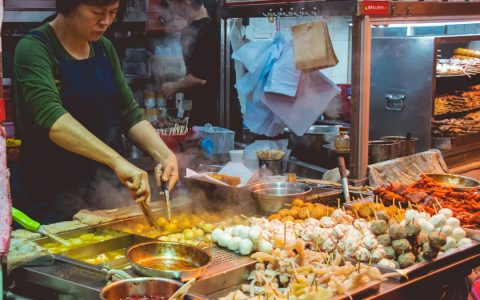
Markets can be lively and crowded, with stalls selling produce, spices, olives, bread and prepared foods. Visit with time to browse and avoid blocking a vendor’s counter while deciding what to buy. Ask before photographing people or their stalls. Prices may be displayed differently from what you are used to, so confirm the quantity and cost before a purchase. Bargaining customs vary; be polite and do not treat every interaction as a contest.
Notice the ingredients and season
Fresh herbs, citrus, olives, grains and pulses are important in many regional dishes. Look at what is abundant and ask how locals use it. Seasonal ingredients change, and a menu may reflect what is available rather than a fixed national standard. If you enjoy a dish, note its name and the region where you tried it so you can learn more later.
Understand shared meals and dining customs
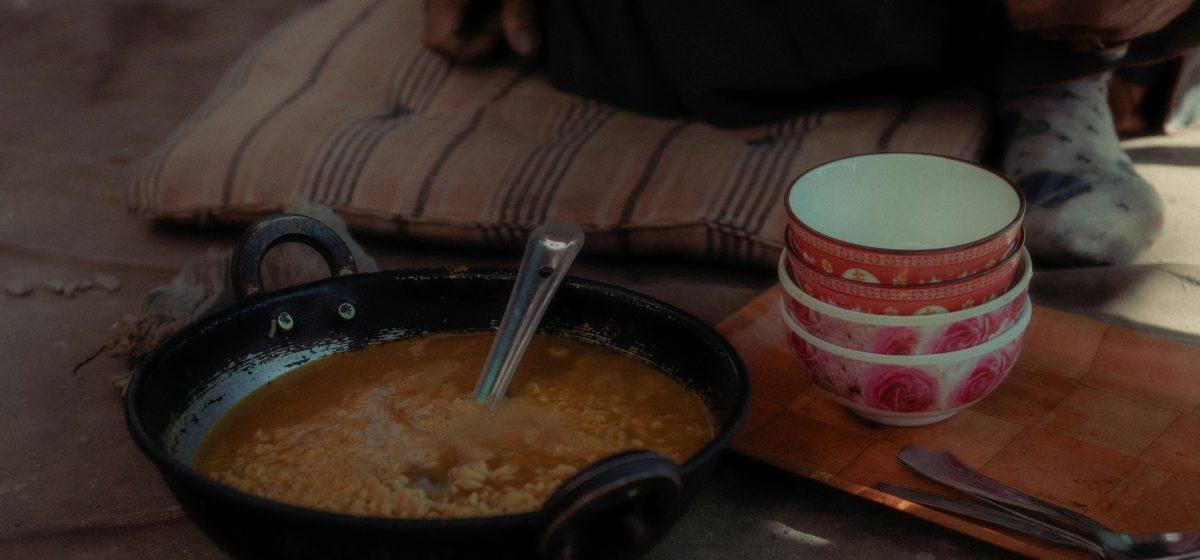
Meals can be social occasions, with dishes placed in the centre for sharing. Follow the host’s lead and ask if you are unsure how food is served. In some settings, people use bread to help gather food; in others, cutlery is provided. Wash your hands before eating and be considerate of the shared dish. If invited into a home, ask about customs and whether you should bring something.
Choose food experiences thoughtfully
A cooking class or guided market visit can provide context that a restaurant meal alone may not. Check who leads the experience, how ingredients are sourced and whether the group size allows questions. If the activity takes place in a private home, confirm the meeting arrangements and any practical requirements. Avoid experiences that treat local residents as props for photographs.
Communicate dietary needs clearly
Moroccan dishes may contain nuts, sesame, dairy, meat stock or other ingredients that are not obvious from the name. If you have an allergy or dietary requirement, explain it clearly and ask whether the kitchen can accommodate it safely. A translated allergy card can help, but confirm the meaning with staff. Do not assume that a dish is vegetarian because it contains vegetables.
Enjoy cafés and everyday food
Try local breads, soups, pastries and drinks as well as restaurant meals. Cafés can be good places to observe daily routines, but check opening hours and prices before ordering. In busy areas, choose a table without blocking pedestrian routes and be respectful when taking photographs. Support local businesses where practical.
Moroccan food culture is diverse and rooted in everyday life. Explore with curiosity, ask questions and respect local customs. The most memorable meal may be a simple dish whose ingredients and story you took time to understand.