A6AezDIwNuug
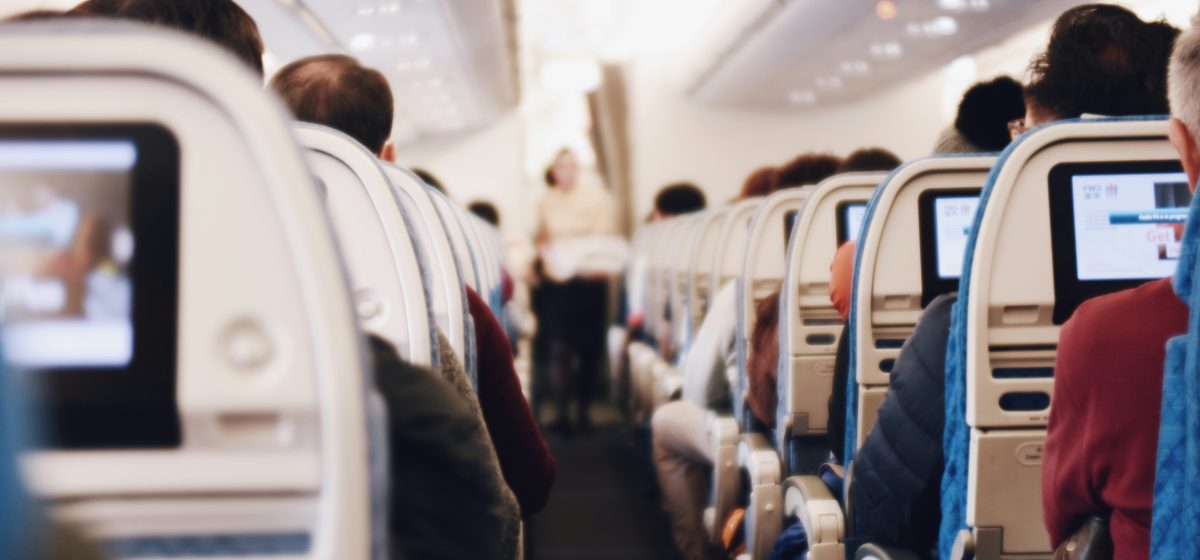
A long-haul flight can feel much easier when you plan for the hours spent in the cabin rather than treating it as a short journey stretched out. Seat choice, clothing, hydration, rest and the contents of your personal item all influence comfort. You cannot control every part of the flight, but a few practical decisions can make the experience more manageable.
Choose a seat based on your priorities
An aisle seat makes it easier to stand and move without disturbing other passengers. A window seat can provide a wall to lean against and fewer interruptions if you want to rest. Seats near galleys or lavatories may experience more foot traffic and noise, while exit-row seats can have restrictions and may not suit every traveller. Check the airline’s seat map and rules before paying for an upgrade. If travelling with someone, decide whether sitting together is worth the additional cost.
Dress in comfortable layers
Cabin temperatures can feel different throughout a journey, and the climate at arrival may be very different from the departure airport. Wear breathable clothing and bring a light layer that is easy to remove. Choose footwear that is comfortable for walking through terminals and can be loosened slightly during the flight. Avoid clothing that restricts movement during a long period of sitting.
Prepare a small personal-item kit
Keep travel documents, medication, a charging cable, headphones, eye mask, earplugs and basic toiletries in a pouch you can reach from your seat. Follow the airline’s rules for liquids and batteries, and keep essential medication with you rather than in checked luggage. A spare top and a few basic personal items can be useful if checked baggage is delayed. Do not overfill the space around your seat with items you will not use.
Plan rest without expecting perfect sleep
If you are crossing time zones, consider the local time at your destination when deciding whether to sleep or stay awake. A neck pillow or eye mask may help, but comfort is personal, so test any equipment before departure. Avoid relying on alcohol as a sleep aid, and check with a healthcare professional before using medication to manage sleep during travel. If you cannot sleep, quiet rest can still be useful.
Move regularly and look after your body
Follow airline safety instructions and move when it is safe to do so. Gentle movement and periodic standing can help reduce stiffness during a long journey. Keep hydrated and be mindful that cabin air can feel dry. If you have a medical condition or concerns about circulation or long periods of sitting, seek individual medical advice before travel. Do not ignore symptoms that feel unusual or severe; alert the cabin crew if you need assistance.
Make meals and snacks work for you
Check whether meals are included and whether you need to request a special meal in advance. Bring snacks that comply with security and destination rules, especially if you have dietary needs or a long connection. Avoid assuming that food will be available at every point of the journey. Carry an empty reusable water bottle if permitted and fill it after security where facilities are available.
Prepare for arrival
Keep a light layer and essential documents easy to reach. Download arrival information, accommodation details and any required entry documents before boarding. If you have a connection, understand whether your bags are checked through and whether you must pass immigration or security again. Allow enough time to collect luggage, use facilities and reach onward transport.
A comfortable long-haul flight is built from small decisions. Choose a seat that fits your needs, keep essentials close, move when appropriate and plan realistically for rest. You may not arrive refreshed as if you had slept at home, but you can make the journey considerably easier.