A6AezDIwNuug
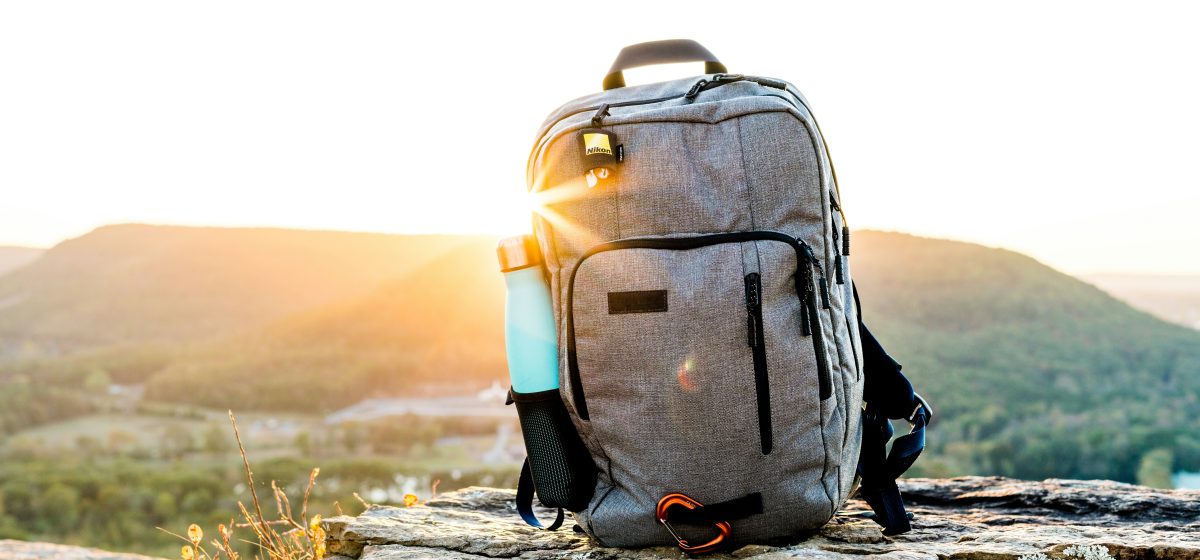
A travel backpack can make moving between stations, accommodation and city streets easier than managing several separate bags. It can also become uncomfortable or difficult to organise if the weight is uneven or essential items are buried at the bottom. A simple packing system helps you carry what you need, protect valuables and find items without unpacking everything in public.
Choose a backpack that fits your body
Capacity is only one part of the decision. Check the torso length, shoulder straps, hip belt and back support, and try the bag with some weight inside before travelling. A bag that feels comfortable when empty may become awkward after it is packed. Make sure the size also complies with the airline’s personal-item or cabin-baggage rules if you plan to take it onboard.
Distribute weight sensibly
Place heavier items close to your back and around the middle of the bag, while lighter items can sit farther away. Keep the load balanced and avoid attaching too many objects to the outside, where they can catch on doors or other passengers. Tighten compression straps and adjust the shoulder and hip straps so the weight is supported comfortably. If the bag feels unstable, repack before setting off.
Separate valuables and essentials
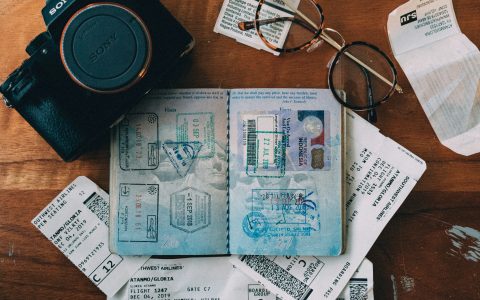
Keep your passport, payment cards, phone and important documents in a secure pocket that stays close to your body. Avoid putting everything valuable in one easily accessible outer compartment. Store medication and items needed during the journey where you can reach them quickly. Keep a backup payment method separate from your wallet and avoid displaying sensitive personal information on luggage tags.
Use small organisers with a purpose
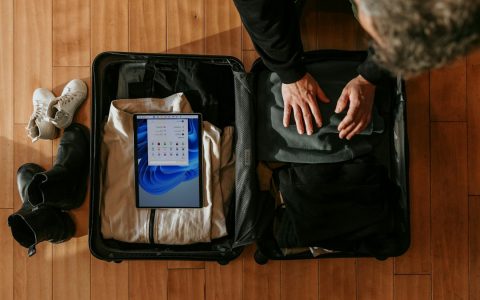
Packing cubes or pouches can separate clothing, cables, toiletries and documents. Use a consistent place for each category so you can find things without emptying the bag. Keep liquids in a leak-proof pouch and follow airport security rules. A waterproof cover or dry bag can protect contents from rain, but check that it does not make the backpack difficult to carry or access.
Keep the daily essentials at the top
Put a water bottle, light layer, snacks, tickets and small personal items in pockets that are easy to reach. Do not place heavy or fragile items in a loose outer pocket. If you are travelling by train or bus, keep the bag secured and avoid blocking aisles. In crowded areas, wear the backpack in a way that does not knock into people or take up unnecessary space.
Protect the bag when you set it down
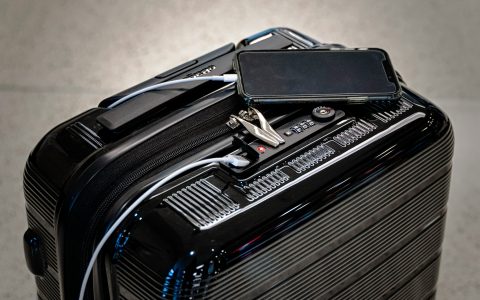
Keep the backpack within sight in cafés, stations and shared accommodation. Use a small lock where appropriate, but do not treat it as a substitute for supervision. If you need to leave the bag in luggage storage, check the provider’s process and keep valuables with you. Note the bag’s appearance and identifying features in case it is misplaced.
Review the load every few days
Remove items you are not using and repack after laundry or shopping. Check zips, straps and buckles for wear. Keep a small repair item if your trip is long, and know how to adjust the bag if your shoulders or back become uncomfortable. If the load is consistently too heavy, reduce it rather than forcing yourself to carry unnecessary items.
A well-organised backpack should make travel simpler, not become another problem to manage. Choose a comfortable fit, distribute weight, secure valuables and keep daily essentials accessible. That routine helps you move more confidently through a busy trip.