A6AezDIwNuug
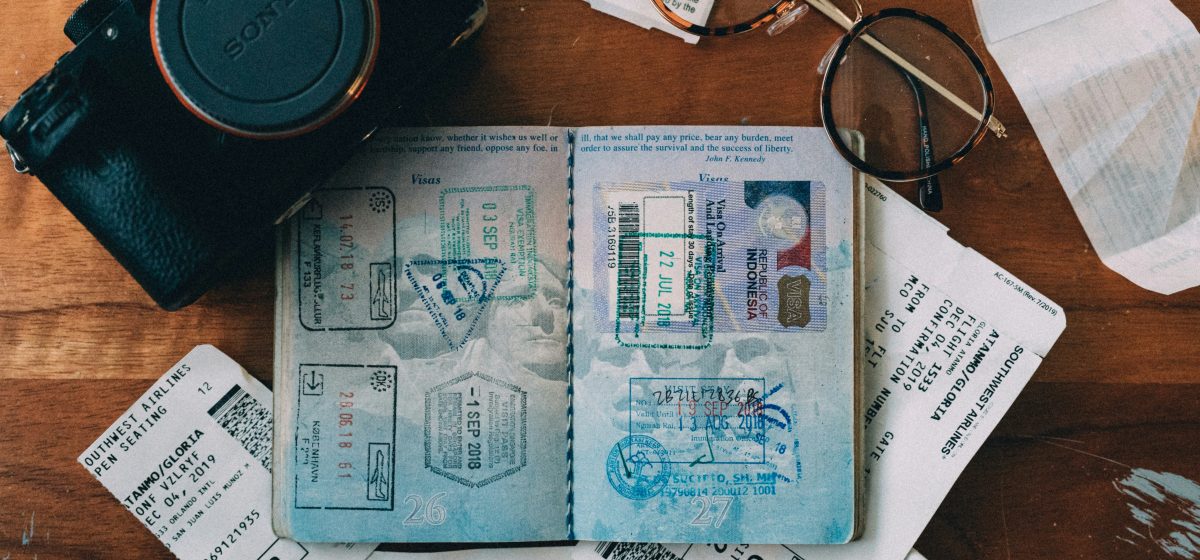
Your passport, tickets and booking details are among the most important items you carry when travelling. Losing them can be stressful and may affect onward journeys, hotel check-in or entry requirements. A simple storage routine helps protect documents while keeping them accessible when you need to show them at the airport or border.
Choose one secure place for the originals
Keep your passport and essential documents in a secure pocket or travel organiser that you use consistently. Avoid moving them between bags throughout the day. When you need to present a document, return it to the same place immediately. Do not leave a passport in a café tray, seat pocket or unattended bag.
Keep digital backups securely
Store copies of key documents in a secure account that you can access if your phone is lost. Use a strong device passcode and avoid saving sensitive information in an unsecured note. A printed copy of emergency contacts and accommodation details can be useful, but keep it separate from the original documents. Digital copies do not replace the original passport or any required travel permission.
Use hotel storage thoughtfully
If your hotel has a room safe, check how it works and whether the property offers an alternative secure storage service. Keep a record of where you placed documents and avoid leaving them in plain sight. If you are unsure about the security arrangements, keep essential items with you. Never leave documents in a checked suitcase.
Be organised at airports and stations
Have your passport and boarding pass ready before reaching the check-in desk or gate. After a document check, return everything to its usual place before moving away. Avoid placing passports loosely in a tray at security and make sure you collect all items before leaving the screening area. Keep an eye on your belongings when queues are busy.
Share only what is necessary
Hotels, airlines and authorities may need to see identity information, but avoid sending passport images through unofficial channels. Check that a request comes from the genuine provider and use secure submission methods. Do not post travel documents or booking references publicly on social media.
Know what to do if a document goes missing
If your passport is lost or stolen, contact the local authorities and the relevant embassy or consular service for your nationality. Follow official instructions about emergency travel documents and replacement procedures. Notify your airline or travel provider if the loss affects a booking. Keep any police report or reference number and contact your insurer if the policy requires it.
Build a routine before every move
Before checking out of accommodation, check the safe, bedside table, desk and luggage pockets. At transport hubs, confirm you have your passport before leaving the counter or security area. A short routine is easier to remember than trying to reconstruct where you last used a document.
Keeping travel documents safe is mostly about consistency. Store originals securely, maintain protected backups and return documents to the same place after every check. That small habit can prevent a major disruption to your trip.