A6AezDIwNuug
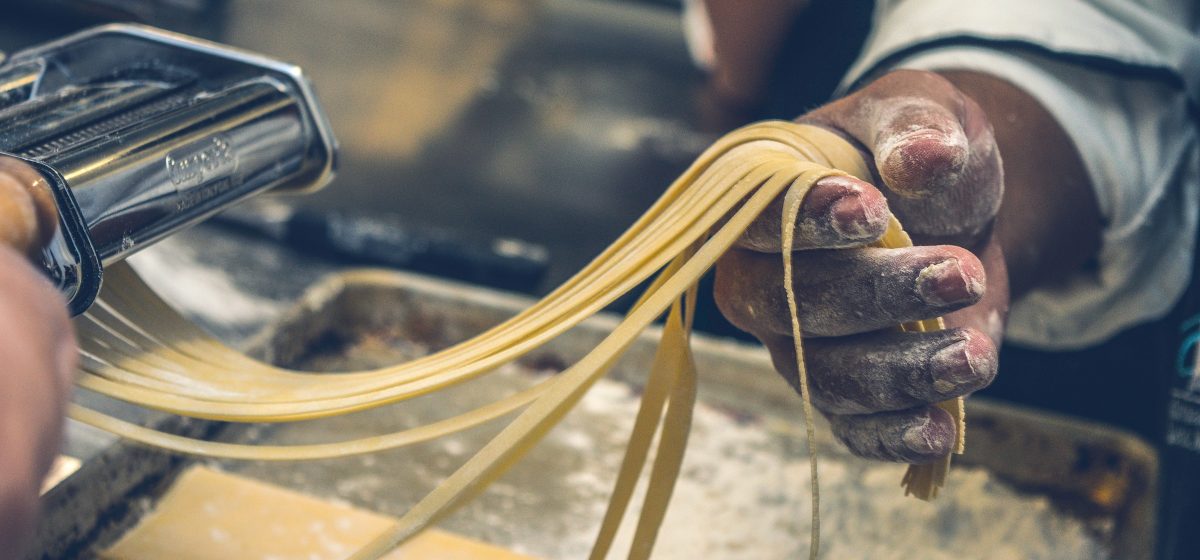
A cooking class can be one of the most enjoyable ways to connect with a destination’s food culture. Instead of simply tasting a dish, you learn how ingredients are chosen, how techniques are used and why a recipe matters locally. Experiences vary from informal home kitchens to professional schools, so a little research helps you find a class that suits your interests and expectations.
Choose a class with a clear focus
Read the description to understand what you will cook and how much hands-on time is included. Some classes concentrate on one regional dish, while others cover several courses or a market visit. Check the duration, language, group size and whether the meal is included. If the class is mainly a demonstration, make sure that matches what you want before booking.
Look for a knowledgeable local host
Find out who teaches the class and what connection they have to the cuisine or region. A good host should be able to explain ingredients, techniques and variations without claiming that one recipe represents an entire country. Read recent reviews for comments about clarity, participation and the atmosphere. Smaller groups can make it easier to ask questions and work at the counter.
Understand the menu and dietary arrangements
Check whether the menu is fixed or changes with the season. If you have allergies, intolerances or dietary requirements, contact the provider before paying and ask whether they can accommodate them safely. Do not assume a dish is vegetarian or free from an allergen because the main ingredient appears suitable. Shared equipment, sauces and cross-contact can matter. If the provider cannot give a clear answer, choose another experience.
Ask where ingredients come from
A market visit can add context to the class by showing how locals select produce and what is in season. Ask whether ingredients are sourced from local producers and whether the host explains regional varieties. A class does not need a market visit to be worthwhile, but it should offer more than a generic recipe that could be taught anywhere. The strongest experiences connect food to place and everyday practice.
Check practical details before arrival
Confirm the address, meeting point, start time, transport options and cancellation policy. Ask what clothing or footwear is suitable and whether you need to bring anything. If the class takes place in a private home, check how the host communicates arrival instructions and whether the venue has facilities that meet your needs. Arrive on time so the group can begin together.
Be considerate in the kitchen
Follow food hygiene instructions, wash your hands and use equipment as the host directs. Ask before taking photographs of people or private spaces. If you are unfamiliar with a technique, let the host demonstrate rather than trying to improvise with a sharp knife or hot pan. Respect that the kitchen may be a working home or business, not a staged photo set.
Take the learning home
Write down the names of ingredients and any useful substitutions. Ask whether a recipe can be shared and how to source key ingredients outside the destination. Some local products may be difficult to transport or restricted by customs rules, so focus on techniques and memories rather than filling your luggage with perishables.
A good cooking class leaves you with more than a meal. Choose a host who explains the food with care, be clear about dietary needs and take time to understand the ingredients. You may return home with a recipe, but the deeper souvenir is a better understanding of how people eat where you travelled.