A6AezDIwNuug
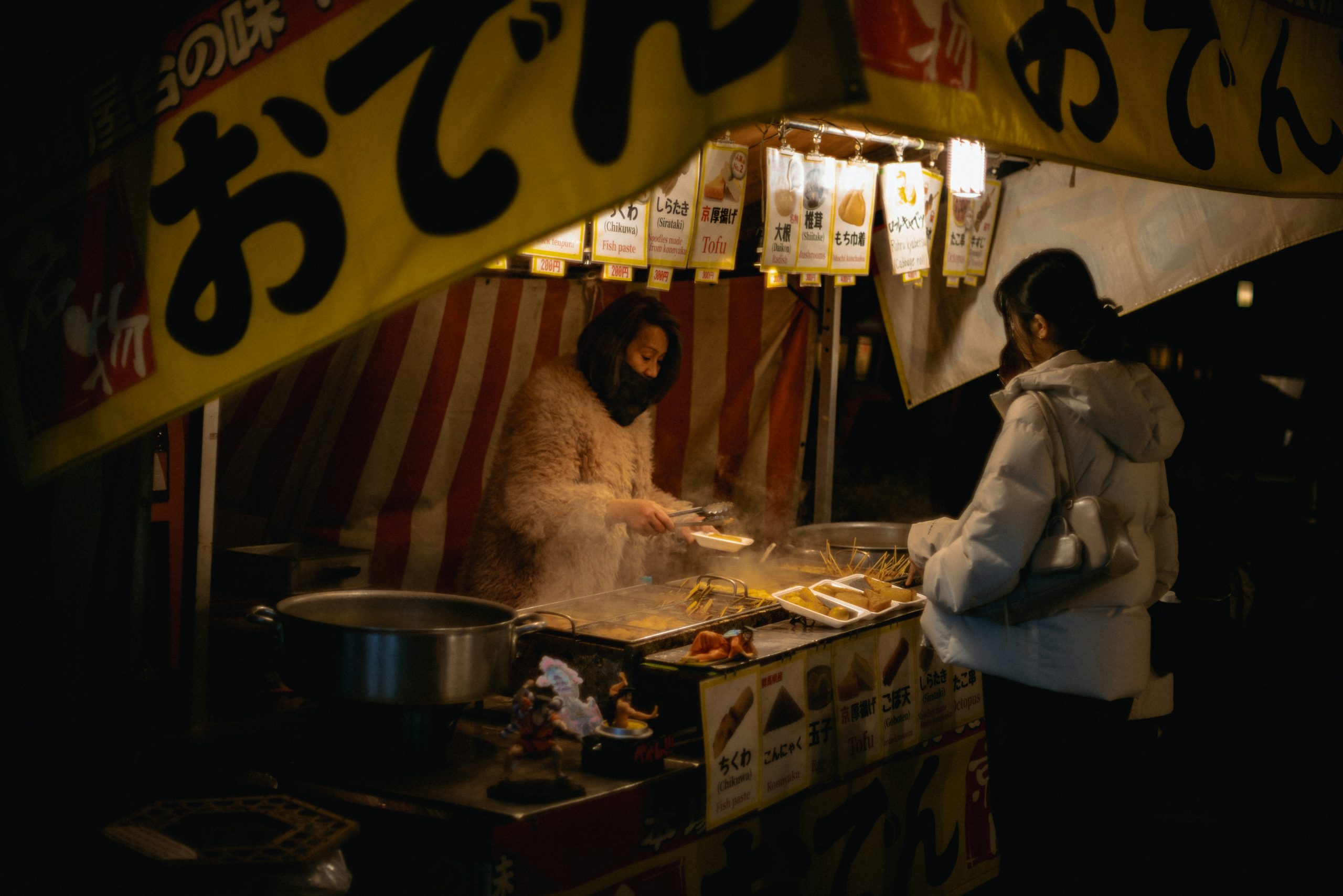
Street food can offer a lively introduction to Japan’s regional food culture. A small stall or market counter may serve a dish that is closely connected to a neighbourhood, festival or local ingredient. The experience is not only about what you eat; it is also about understanding how the space works, how people queue and where customers are expected to enjoy their food. A little awareness makes the visit more comfortable for everyone.
Look for local specialities
Japan’s food traditions vary by region. You may find grilled seafood in coastal areas, savoury pancakes associated with particular cities, rice-based snacks, noodles, sweets or seasonal festival foods. Rather than searching only for familiar dishes, ask what the area is known for and what is freshly prepared. A stall’s menu may be small because it focuses on doing a few things well. Seasonal availability and local events can shape what is offered.
Understand where to eat
Some stalls provide a small standing counter, while others expect customers to move away from the serving area before eating. In busy markets, eating while walking may be discouraged because it can cause congestion or spills. Look for signs and observe what local customers do. If there is a designated eating space, use it and dispose of rubbish in the correct place. When bins are limited, you may need to carry packaging until you find an appropriate disposal point.
Queue patiently and order clearly
Queues can be informal, particularly at small stalls. Watch where people are waiting and avoid stepping ahead because the line is not obvious. Have your order ready where possible and check whether payment is made before or after serving. Some vendors accept cards or mobile payments, while others may prefer cash. Carry a modest amount of local currency and do not assume every stall supports the same payment method.
Be prepared for language differences
Learning a few basic phrases for greetings, ordering and asking the price can make the exchange easier. A translation app can help, but do not rely on it for complex allergy discussions without confirming the meaning. Pointing to a menu item is useful, yet it does not reveal every ingredient or cooking method. If you have an allergy or dietary restriction, prepare a clear written explanation in Japanese and ask whether the vendor can safely accommodate it.
Take food safety seriously
Choose vendors who handle food carefully and keep hot foods hot and chilled foods appropriately cold. Be cautious with items that have been sitting out in warm conditions. Wash or sanitise your hands before eating, especially after using public transport or handling cash. If you have a sensitive stomach or medical dietary needs, choose foods and providers that you are comfortable with rather than feeling obliged to try everything.
Respect photography and personal space
Food displays can be attractive, but a busy stall is a workplace. Ask before photographing vendors, staff or other customers, and avoid blocking the queue to take pictures. Some markets and event areas have restrictions on photography or eating in particular zones. Follow signs and instructions, and remember that a vendor may be too busy to answer questions while serving customers.
Explore beyond the busiest market street
Popular markets can be fun, but they may be crowded and more focused on visitors. A local shopping street or neighbourhood festival can reveal a different side of food culture. Check event dates and opening hours in advance, as not every market operates daily. If you find a small stall you enjoy, consider returning at a quieter time rather than trying to visit every vendor in one afternoon.
Japan’s street food is best enjoyed with curiosity and consideration. Follow local customs, ask clear questions about ingredients and give vendors room to work. That approach helps turn a quick snack into a more meaningful connection with the place you are visiting.