A6AezDIwNuug
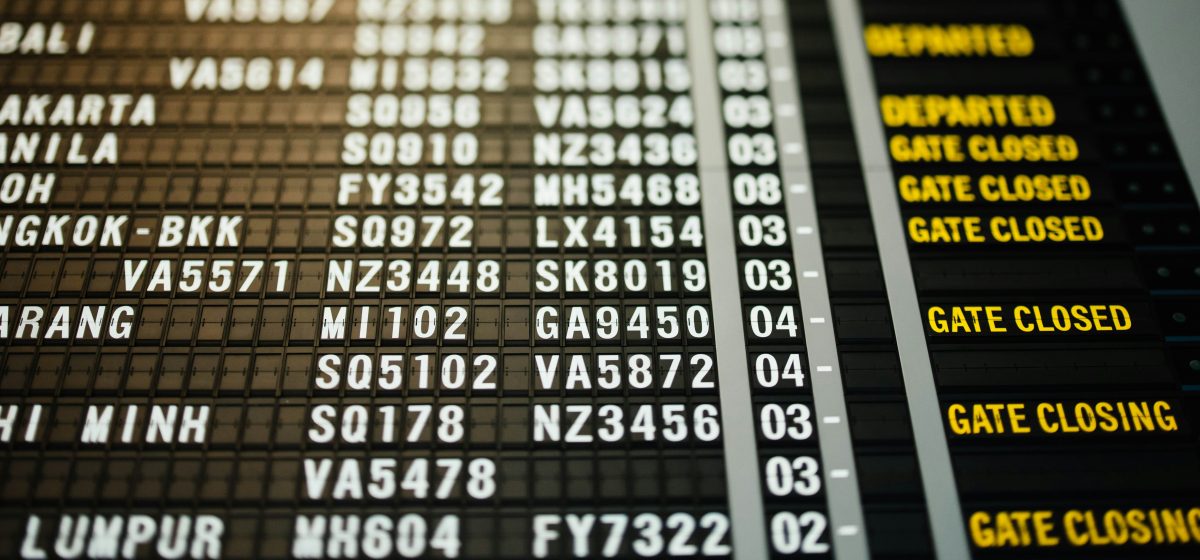
A flight delay can disrupt a carefully planned journey, especially when you have a connection, a hotel check-in or a transfer waiting at the other end. The most useful first step is to establish what has changed and what the airline is offering. Avoid relying only on rumours in the terminal or a third-party flight tracker; use the airline’s official updates and speak to staff when you need help.
Confirm the latest departure information
Check the airline app, airport departure screens and any messages sent to the contact details on your booking. A displayed time can change again, so keep checking until boarding begins. If the reason for the delay is unclear, ask the airline for the latest estimate and whether the gate or terminal has changed. Keep your phone charged and make sure notifications are enabled for the booking.
Understand how the delay affects your itinerary
If you have a connecting flight on the same protected ticket, contact the airline about the onward journey and any rebooking options. If you booked separate tickets, the next carrier may not be required to protect the connection. Contact that provider as soon as you know the first flight is delayed. For rail, hotel or tour bookings, check the amendment and late-arrival rules rather than assuming they will wait.
Know what assistance may be available
Passenger rights depend on the route, airline, cause of disruption and the laws that apply. Some regimes provide assistance after certain delays, while compensation rules have separate conditions and exceptions. Ask the airline what care or rebooking it will provide and consult the relevant official aviation or consumer authority for your journey. Do not assume that the same rules apply to every international route.
Keep receipts and written information
If you need to buy food, transport or accommodation because of the disruption, keep itemised receipts and note why the expense was necessary. Ask the airline whether it will arrange the service directly or reimburse reasonable costs. Save messages, boarding passes and notices about the delay. These records may be important if you later make a claim through the airline, insurer or relevant authority.
Look after practical needs while waiting
Keep essential medication, documents and valuables with you. If you are travelling with children or someone who needs assistance, ask staff about suitable waiting arrangements. Refill water where possible, eat before facilities close and keep a layer of clothing accessible. If the delay becomes overnight, ask how baggage, hotel transfers and the next departure will be handled.
Contact accommodation and onward providers
Tell your hotel if you may arrive after reception hours and confirm the late check-in procedure. If you have a pre-booked transfer, notify the operator and ask whether the pickup can be moved. For separate tickets, consider whether changing the onward service is cheaper than risking a no-show. Keep all conversations in writing where practical.
Review insurance carefully
Travel insurance may cover some delay-related costs, but waiting periods, maximum amounts and exclusions vary. Check the policy wording before spending money on expensive alternatives. If the insurer has an assistance line, ask what evidence it needs and whether you should obtain approval before arranging accommodation or transport.
A delay is frustrating, but a clear sequence of checks can reduce uncertainty. Confirm the official update, protect onward bookings, understand the rules that apply and keep evidence of any extra costs. That gives you a stronger basis for making the next decision.