A6AezDIwNuug
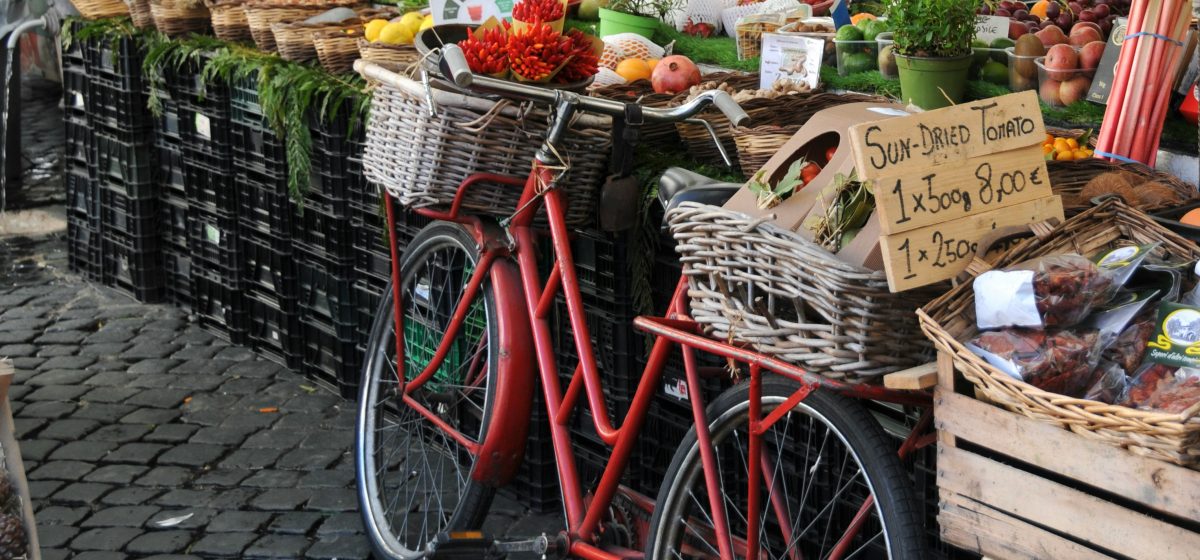
A local food market can be one of the most revealing places to visit in a new destination. The stalls show what is in season, what people cook at home and which ingredients are part of the region’s identity. Markets are also working spaces, so visitors get the most from them when they arrive with curiosity and respect for the people who shop and sell there every day.
Visit at the right time
Opening hours vary. Some markets are busiest early in the morning, while others are designed around lunch, evening trade or particular market days. Check local information before making a special journey. Arriving too close to closing time may mean fewer stalls are open, while peak periods can be crowded. If you want to take photographs or ask questions, a quieter time may make the visit more comfortable for vendors and customers.
Notice what is in season
Rather than searching for one familiar ingredient, look at what appears in abundance. Seasonal fruit, vegetables, herbs, seafood and cheeses can tell you something about the local climate and food traditions. Ask vendors how a product is usually prepared or whether it is grown nearby. Availability changes with weather and supply, so a market will not necessarily look the same on every visit.
Understand prices and quantities
Check whether a price is listed per kilogram, per item, per bunch or per prepared portion. If you are unsure, ask before the vendor weighs or packs the product. Use a few basic local phrases for numbers and quantities, or a translation app for simple questions. Do not assume bargaining is expected; customs differ between countries and markets. Paying the displayed price politely is often the simplest approach.
Choose food with care
For ready-to-eat items, look for food that is handled hygienically and kept at an appropriate temperature. In hot weather, be cautious with perishable products that have been sitting out for long periods. Wash fruit where possible and clean your hands before eating. If you have allergies or dietary restrictions, ask about ingredients and preparation methods. Sauces, broths and shared cooking equipment can introduce ingredients that are not obvious from the dish name.
Respect the people behind the stall
Ask before photographing vendors, customers or their produce displays at close range. Avoid blocking the counter while deciding what to buy, and be ready to move aside if the stall becomes busy. Some vendors may not speak your language or have time for a long conversation. A greeting, a clear question and a thank-you go a long way.
Think about what you can carry
Fresh produce and chilled foods may be difficult to transport safely, particularly on a long day of sightseeing. Ask how products should be stored and whether they are suitable for travel. Check customs restrictions before taking food across international borders, as fresh produce, meat and dairy may be restricted. Packaged goods with clear labels can be easier souvenirs, but always check the rules for your destination.
Turn the visit into a meal
Markets often sit near cafés, bakeries or small restaurants where ingredients are prepared in familiar local styles. Ask what is typical for the area and whether a dish is seasonal. If you want to join a food tour or cooking class, check the operator’s approach to dietary needs, group size and local sourcing. A market visit can become more meaningful when you understand how the ingredients move from stall to plate.
Markets are not museums; they are part of everyday life. Give people room to shop and work, ask thoughtful questions and follow the season. You will come away with a better sense of local food culture than a quick search for the most photographed dish can provide.