A6AezDIwNuug
Food can be one of the most memorable ways to understand a destination. A market breakfast, a family-run lunch counter or a regional dish made with seasonal ingredients can tell you more about local life than a long list of restaurants selected only by online ratings. Finding those experiences takes curiosity, but a little preparation helps you eat well and avoid common frustrations.
Look for what the region actually produces
Start with the ingredients associated with the area: fish near the coast, mountain cheeses, local grains, fruit, vegetables or particular herbs. These are clues rather than guarantees, because modern menus are diverse and supply changes with the season. Ask what is local or in season today. A simple daily special may be more representative than a dish designed for visitors and repeated everywhere.
Use markets as a window into everyday life
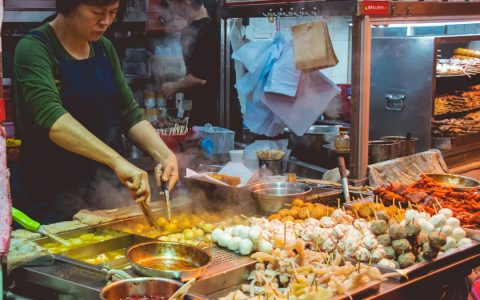
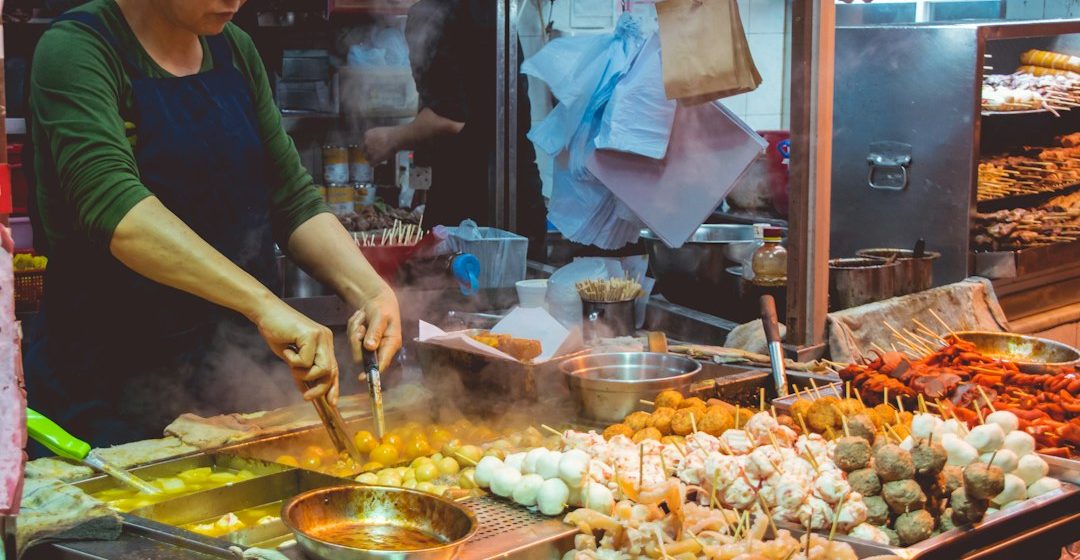
Food markets can show how residents shop and what is available at that time of year. Visit with time to browse rather than arriving just before closing and expecting every stall to be open. Watch how queues work, ask before touching produce and avoid blocking customers while taking photographs. If you want to try something unfamiliar, ask the vendor how it is usually eaten or prepared.
Choose restaurants with a clear reason to visit
A long queue is not proof that a restaurant is right for you, and an empty room at an unusual hour does not necessarily mean the food is poor. Look at menus, opening times and recent reviews, but also consider whether the dishes and atmosphere match what you want. Small places may have limited seating or a changing menu. If you have a special meal planned, book ahead and confirm the time.
Learn a few useful food phrases
Knowing how to ask for the menu, the daily special, the bill and whether a dish contains a particular ingredient can make dining easier. Translate serious allergies clearly and carry a written card in the local language if necessary. Do not assume that a dish is vegetarian, gluten-free or free from a specific allergen based on its name. Broths, sauces, shared fryers and preparation surfaces can matter.
Balance discovery with food safety
Use ordinary judgement about cleanliness, food temperature and how quickly perishable items are being served. Choose busy stalls where food is prepared and turned over regularly, and be cautious with items that have been sitting unrefrigerated in hot conditions. Wash or sanitise hands before eating. If you have a medical condition or dietary restriction, follow advice from your healthcare professional and choose food providers who can answer your questions confidently.
Understand local meal times
Opening hours can differ significantly from the routine you are used to. In some places, lunch is the main meal and dinner begins later; elsewhere, kitchens may close between services. Check hours before making a special journey and keep a backup option in mind. If you arrive outside normal meal times, a bakery, market or supermarket may be a practical alternative.
Spend thoughtfully
Supporting independent cafés, producers and restaurants can help keep local food traditions visible. That does not mean every small business is automatically better or cheaper. Read prices, ask what is included and check whether service charges are added. Be respectful when photographing staff, customers or family-run kitchens; ask first rather than assuming a public setting means everyone wants to be photographed.
Keep a record of what you enjoyed
Write down the name of a dish, the market or the neighbourhood where you found it. If you want to recreate the experience at home, ask for the name of the ingredient or a simple preparation tip. These small notes become a useful personal food map for a return visit.
Eating well while travelling is less about finding a secret address and more about being open, observant and considerate. Follow the season, ask questions and give local food culture room to surprise you.