A6AezDIwNuug
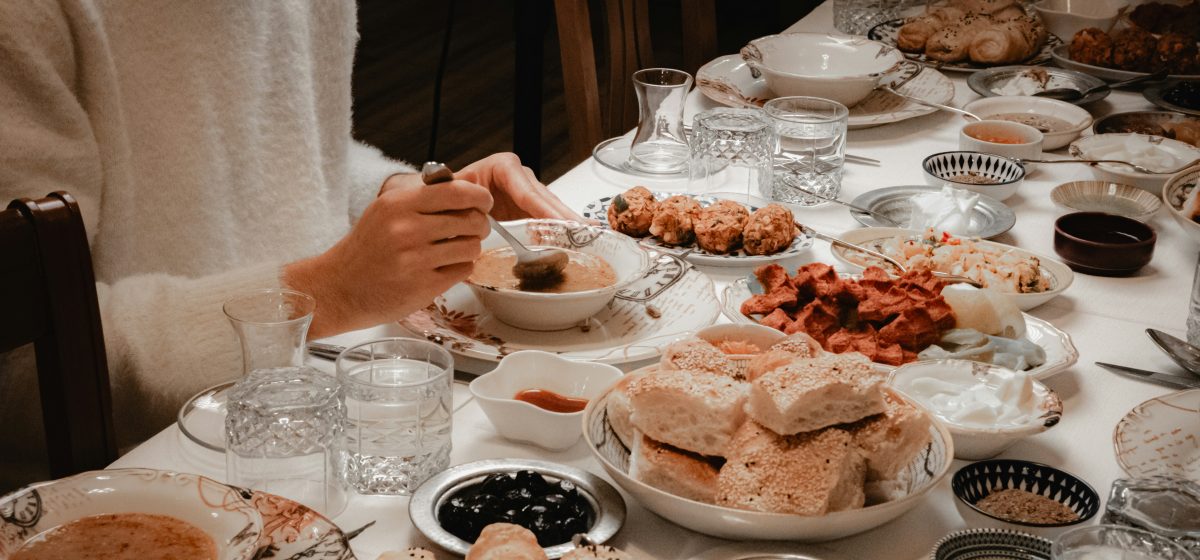
Greek dining often works best when a meal is shared. A table of small plates can bring together vegetables, dips, seafood, grilled dishes and local cheeses, allowing everyone to taste a little of several things. The exact selection varies by region and season, so mezze is not a fixed menu. Understanding how to order and share makes the experience more relaxed.
Start with the idea of sharing
Rather than ordering one large main course for each person, a group may choose several dishes for the table. Ask the server how many plates are suitable for your group and whether the portions are designed to be shared. If you are unsure, begin with a modest selection and add more later. This avoids ordering too much food and gives you a chance to try dishes that are unfamiliar.
Look for regional ingredients
Greek food varies across islands and mainland regions. Local vegetables, olive oil, herbs, cheeses, seafood and pulses shape many dishes. Ask what is seasonal or typical in the area you are visiting. A daily special may use ingredients that are particularly fresh. Avoid assuming that a dish prepared in one region will taste the same elsewhere.
Order at a comfortable pace
Some restaurants bring dishes as they are ready, while others serve the table in a more coordinated way. If timing matters, ask the server how the kitchen handles shared plates. It is fine to request that certain dishes arrive together, but allow the restaurant to explain what is practical. Meals can be social occasions, so leave room to talk and enjoy the food rather than rushing through every plate.
Understand what is in the dish
Dips, sauces and cooked dishes can contain dairy, nuts, sesame, seafood or meat stock. If you have an allergy or dietary restriction, explain it clearly and ask whether the kitchen can accommodate it safely. Do not assume that a vegetable-based dish is automatically vegan or free from allergens. A translated allergy card can help, but confirm the answer with staff if the requirement is serious.
Choose a restaurant thoughtfully
Look at the menu and prices before sitting down, particularly in busy tourist areas. A restaurant with a view may be convenient, but a smaller place one street back can offer a more relaxed setting. Read recent reviews for recurring comments about food and service, but use your own judgement. If you are visiting during a busy season, book ahead for a particular dinner.
Respect local dining customs
Observe how the table shares food and ask if you are unsure whether a dish is intended for everyone. Use serving utensils where provided and avoid reaching across other diners. Tipping practices vary, so check local expectations rather than assuming the same rule applies everywhere. Be patient if service follows a slower rhythm than you are used to.
Make the meal part of the trip
Pair a shared meal with a visit to a market or a local food shop to understand where ingredients come from. Ask about the names of dishes you enjoyed and note the region or island where you tried them. These small details can make a meal more memorable than simply taking a photograph of every plate.
Greek mezze is as much about company as it is about food. Order a balanced selection, ask about local ingredients and let the meal unfold at a comfortable pace. You will get a better sense of the region and enjoy the shared experience.