A6AezDIwNuug
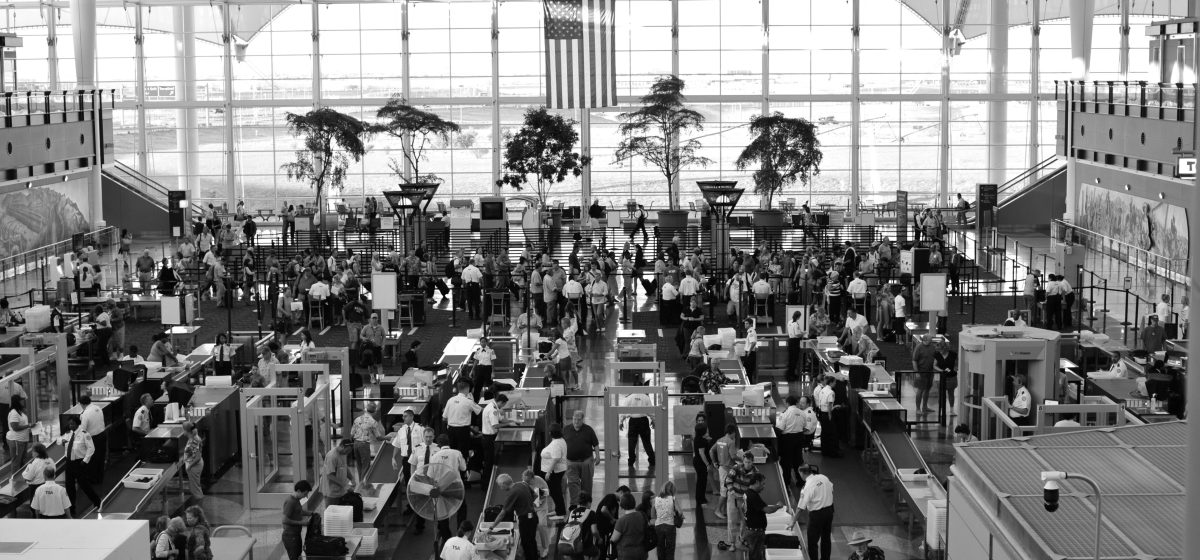
Airport security is easier when you know what is inside your bag and what the airport expects you to do. Rules can differ between countries and airports, and screening technology is changing, so advice from an old trip may no longer apply. The safest approach is to check the current instructions for your departure and transfer airports, then pack so that any item requiring inspection is easy to reach.
Check the rules before packing
Start with the airport’s official security guidance and the airline’s cabin baggage allowance. These are separate rules: an airline decides what size and weight of bag you can bring, while security rules determine which items may pass the checkpoint and how they must be presented. If your itinerary includes a transfer, check the rules at that airport too. Do not assume that a procedure accepted at departure will be identical on the return journey.
Pack liquids according to the airport’s current policy
Liquid restrictions have changed at some airports as new screening equipment has been introduced, but policies are not uniform. Check whether liquids must be placed in a transparent bag, what container size is permitted and whether any exemptions apply. Include gels, creams, pastes and aerosols when checking the rules. If you carry essential medicines or baby supplies, read the airport’s specific guidance and keep supporting information available where appropriate.
Make electronics easy to access
Some checkpoints ask passengers to remove laptops, tablets or other larger electronic devices; others may allow them to remain in the bag. Keep devices in a place that is easy to reach without unpacking everything. Protect screens and cables, and avoid leaving small accessories loose where they can fall out into trays. Power banks and spare lithium batteries are subject to airline and aviation safety rules, so check the permitted capacity and carriage requirements before departure.
Know what should not be in the cabin bag
Sharp objects, tools, sporting equipment and some liquids may be restricted or prohibited. Rules can depend on the exact item and the route. Check the official prohibited-items list rather than relying on assumptions or a social media post. If an item is not essential during the flight, consider packing it in checked baggage only if the airline and destination rules allow it.
Keep travel essentials separate
Store your passport, boarding pass, medication, valuables and essential documents in a secure pocket or small pouch. Keep them under your control while placing trays on the belt. Avoid putting loose cash, keys or jewellery in an open tray without a plan for collecting them afterwards. If you need medication during the journey, make sure it is accessible and stored according to its instructions.
Dress for a straightforward checkpoint
Wear comfortable clothing and shoes that you can remove easily if asked. Empty your pockets before reaching the front of the queue and place coins, keys and small electronics in your bag where permitted. Belts, coats and accessories may need to be screened separately depending on local procedures. Follow instructions from security staff, even if the process differs from what you experienced elsewhere.
Allow time and stay organised
Arrive within the time recommended by your airline and airport. Busy periods, family travel, mobility assistance and unfamiliar terminals can all add time. Keep liquids and electronics organised before joining the queue rather than rearranging your bag at the checkpoint. If staff need to inspect an item, answer clearly and follow their directions.
Check the return journey too
Before travelling home, review the departure airport’s security rules and any restrictions on purchases made during the trip. Duty-free liquids may have special sealed-bag requirements, and transfer screening can affect what you are allowed to carry onward. Keep receipts and packaging where required and ask airport staff if the rules are unclear.
Security screening is not a puzzle to solve at the last minute. A quick check of official guidance, a well-organised cabin bag and enough time at the airport will make the process calmer and help you avoid preventable delays.