A6AezDIwNuug
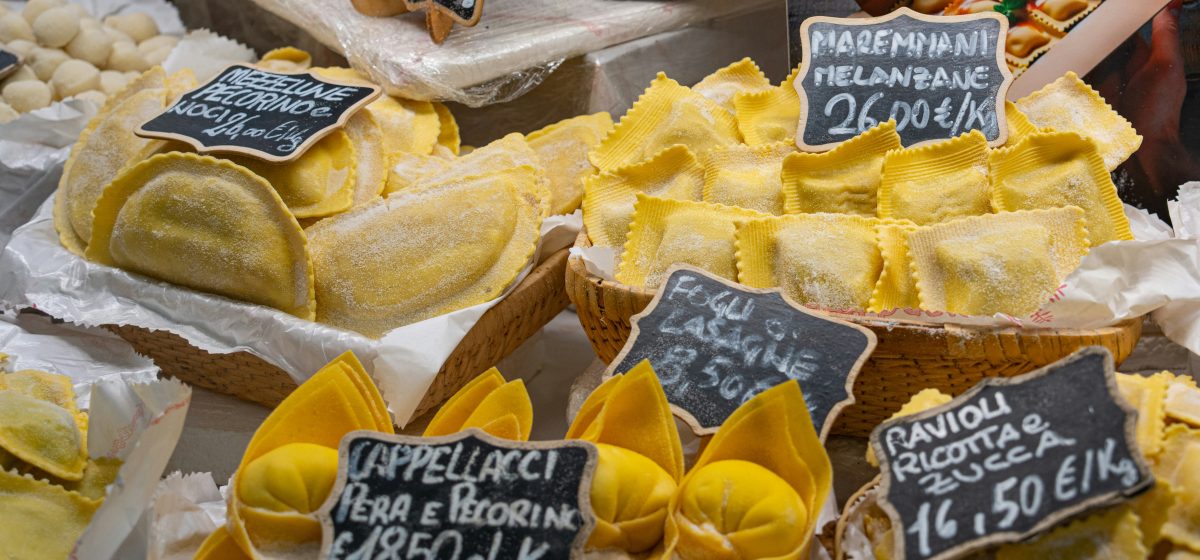
Italian food is often discussed as if it were one national menu, but regional traditions are wonderfully varied. Ingredients, pasta shapes, breads, cheeses and cooking methods change from one area to another, sometimes from town to town. A food market is a useful place to see that variety up close. It can also be a relaxed way to learn how local people shop, cook and eat.
Expect regional differences
In the north, you may encounter rice dishes, filled pasta, polenta and cheeses associated with Alpine or river landscapes. Central Italy has its own traditions of legumes, cured meats, olive oil and handmade pasta. Southern regions and the islands offer different combinations of vegetables, seafood, wheat-based dishes and citrus. These are broad patterns rather than strict rules: migration, season and individual cooks all shape what appears on a market stall.
Visit with an open mind
Markets are working places, not simply food attractions. Arrive earlier if you want the widest choice, but avoid blocking customers while taking photographs. Observe how queues work, ask before handling produce and be patient if a vendor is serving several people. A friendly greeting and a simple request can make the exchange easier. If you do not speak much Italian, learn basic words for quantities, prices and dietary needs.
Follow the season
Seasonal produce is one of the best reasons to browse a market. Rather than searching for a specific ingredient, notice what is abundant and ask how it is usually prepared. Fresh produce can vary with the weather and local growing conditions, so a dish you enjoyed in one month may not be the same later in the year. Buying what is in season can also introduce you to ingredients you might otherwise overlook.
Understand how to buy
Some stalls sell produce by weight, while others display prices per item or prepared portion. Check the unit before ordering and confirm the amount if you are unsure. If you are buying cheese, cured meat or other products to take away, ask how they should be stored and whether they can travel safely. Be aware that customs rules may restrict carrying fresh foods across borders, especially when travelling internationally.
Make food experiences more meaningful
A market visit works well when paired with a meal or a cooking experience that explains local ingredients. Ask a restaurant which dishes are typical of the area and what is seasonal. Small family-run places may have limited menus, changing opening hours or no English translation; that can be part of the experience, but check practical details before making a special journey.
Respect dietary requirements
Do not assume that a dish is vegetarian, gluten-free or free from allergens because its main ingredient appears suitable. Broths, sauces, shared cooking surfaces and hidden additions can change the answer. Explain allergies clearly and ask staff to confirm whether they can safely accommodate them. If a requirement is serious, carry a translated allergy card and choose places that can communicate confidently about ingredients.
Bring home the memory responsibly
Packaged olive oil, dried pasta, coffee or sweets may make practical souvenirs, but check airline liquid limits and destination import rules. Choose products that can be transported safely and avoid buying more than you can use. A recipe, a market name or a note about a local ingredient can be a more lasting reminder than an overfilled suitcase.
Italian markets offer more than a chance to shop. They reveal how landscape, season and tradition shape everyday food. Take your time, ask thoughtful questions and let the local produce guide what you taste next.