A6AezDIwNuug
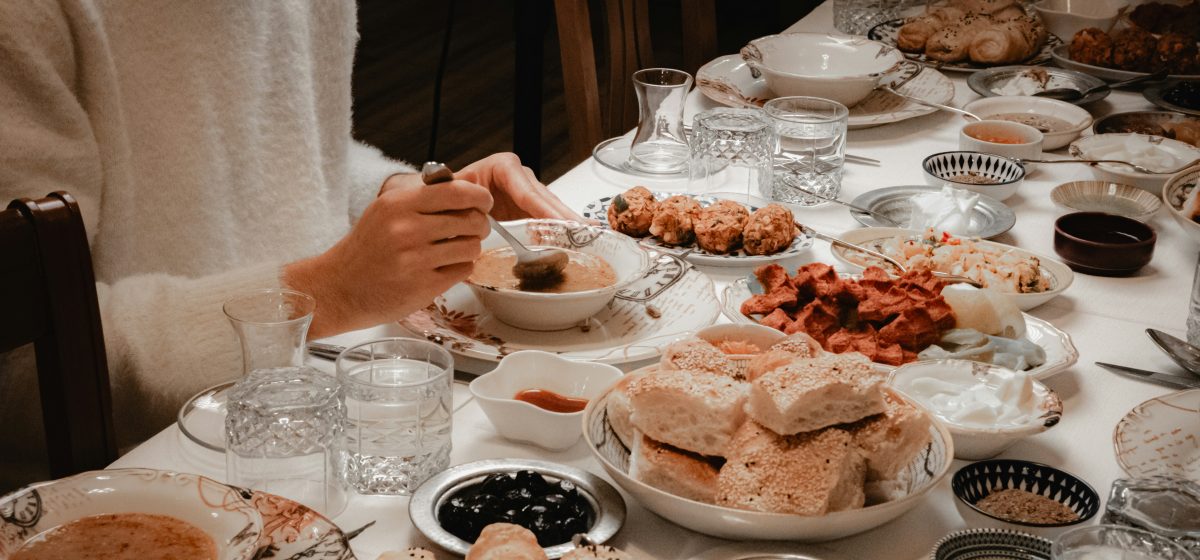
Mediterranean food is often described through a familiar list of ingredients: olive oil, vegetables, herbs, grains, seafood and cheese. But there is no single Mediterranean menu. Coastal communities, islands and inland regions have their own dishes, meal rhythms and ways of sharing food. Exploring those differences can make dining one of the most rewarding parts of a trip.
Look for regional dishes rather than a generic menu
Ask what people in the area eat regularly and which dishes are seasonal. A local stew, grilled fish, vegetable plate or simple bread may reveal more about a place than a menu designed to appeal to every visitor. Ingredients change with the climate and market supply, so a dish you enjoyed in one town may be prepared differently a short distance away.
Enjoy the rhythm of shared plates
In some regions, meals are built around several dishes placed in the middle of the table. Ask the server how many plates are suitable for your group and whether portions are intended to be shared. Start with a balanced selection and add more if needed. Sharing can make it easier to try unfamiliar food, but be mindful of serving utensils and other diners’ preferences.
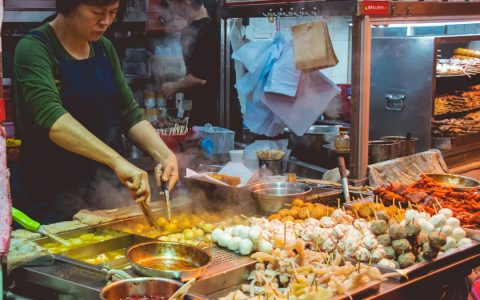
Visit a local market
Markets show what is in season and how people shop for everyday meals. Visit with time to browse, ask before photographing vendors and avoid blocking busy counters. Check prices and quantities before buying, especially when goods are sold by weight. If you want to try a product, ask how it is traditionally prepared or stored.
Ask about ingredients and preparation
Menus may not list every component of a sauce or dish. If you have allergies or dietary restrictions, explain them clearly and ask whether the kitchen can accommodate them safely. Broths, dressings, shared fryers and preparation surfaces can matter. Do not assume a vegetable dish is automatically vegan or free from a particular allergen.
Understand meal times and service styles
Lunch and dinner times vary by country and region. Some restaurants close between services, while others serve continuously. Check opening hours before making a special journey and book ahead during busy periods. If you arrive outside normal meal times, a bakery, market or café may be a useful alternative.
Choose restaurants with care
A sea view or a long queue does not guarantee that a restaurant is the right choice for you. Read the menu and prices before sitting down, and look for recent reviews that mention consistent food quality and service. Small family-run places may have limited menus or changing opening days; check in advance if you have a particular meal in mind.
Take a food memory home
Write down the name of a dish, the ingredients you enjoyed and the area where you found it. Ask whether the recipe can be shared or what local product is central to the flavour. Check customs restrictions before buying fresh foods or dairy to take home.
Mediterranean food culture is best explored with curiosity and patience. Follow the season, ask thoughtful questions and enjoy the shared rhythm of a meal. The experience will be richer than simply searching for a famous dish.