A6AezDIwNuug
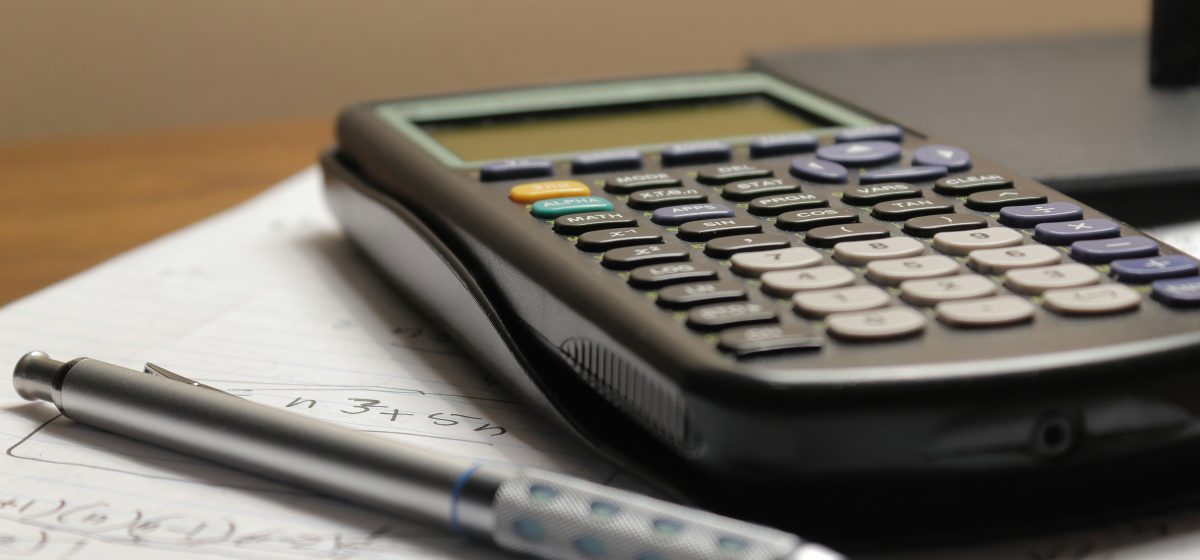
A holiday budget is more useful when it reflects the full cost of travelling, not just the headline price of a flight or hotel. Small expenses can add up: airport transfers, baggage, local transport, meals, attraction tickets, roaming and currency fees. Planning for these costs in advance makes it easier to enjoy a trip without constantly worrying about money.
Set the total you can comfortably spend
Start with an overall figure that does not rely on borrowing or using money needed for essential bills. Decide whether the budget covers only the trip itself or also pre-travel purchases such as luggage, clothing, travel insurance and vaccinations where relevant. Keep those categories separate so you can see what the holiday really costs.
Break the budget into categories
List transport, accommodation, food, local travel, activities, insurance, connectivity and miscellaneous costs. For each category, estimate a realistic amount based on the destination and your travel style. Use current prices from operators and providers rather than relying on a generic daily average. If you are travelling during a festival or school holiday period, expect prices and availability to differ from quieter dates.
Compare the full price of transport
A low fare may not include a checked bag, seat selection or convenient airport location. Add the cost of getting to and from the airport, possible overnight accommodation and meals during a long connection. For rail journeys, include seat reservations and transfers between stations where required. Compare the complete door-to-door cost and the time involved before deciding.
Choose accommodation for value, not just price
Consider location, breakfast, kitchen access, laundry, cancellation terms and transport links. A slightly more expensive room near the places you plan to visit may reduce daily transport costs. Conversely, a cheaper property far from the centre may be worthwhile if services are frequent and the area suits your plans. Compare total prices including taxes and mandatory fees.
Estimate daily spending honestly
Think about how you normally eat and what activities matter to you. If you enjoy trying restaurants, budget for that rather than assuming every meal will be inexpensive. If you plan to visit several museums or guided experiences, add those tickets before departure. Include small purchases such as water, snacks, public toilets or luggage lockers where they are relevant to the destination.
Prepare for currency and payment costs
Check how your bank handles foreign transactions, cash withdrawals and exchange rates. A card that advertises no foreign transaction fee may still have limits or other conditions. Avoid exchanging large sums at an unfamiliar counter without checking the rate and charges. Carry more than one payment method, stored separately, and keep a modest emergency reserve.
Protect the budget with a buffer
Set aside a contingency amount for delays, unexpected transport changes, medical needs or a necessary replacement item. The right buffer depends on the length and nature of the trip; the important point is to keep it separate from everyday spending. Travel insurance can help with covered events, but read the policy limits and exclusions rather than assuming every disruption is included.
Track spending without making it a chore
Use a simple note or budgeting app to record larger purchases and daily totals. Check your balance every few days, not after every coffee. If spending is higher than expected, adjust optional activities or meals rather than compromising on safety or essential needs. Keep receipts for purchases that may need to be claimed or reimbursed.
A realistic budget gives you choices. When the major costs and likely extras are visible before departure, you can decide where to save, where to spend and how to handle surprises with less stress.