A6AezDIwNuug
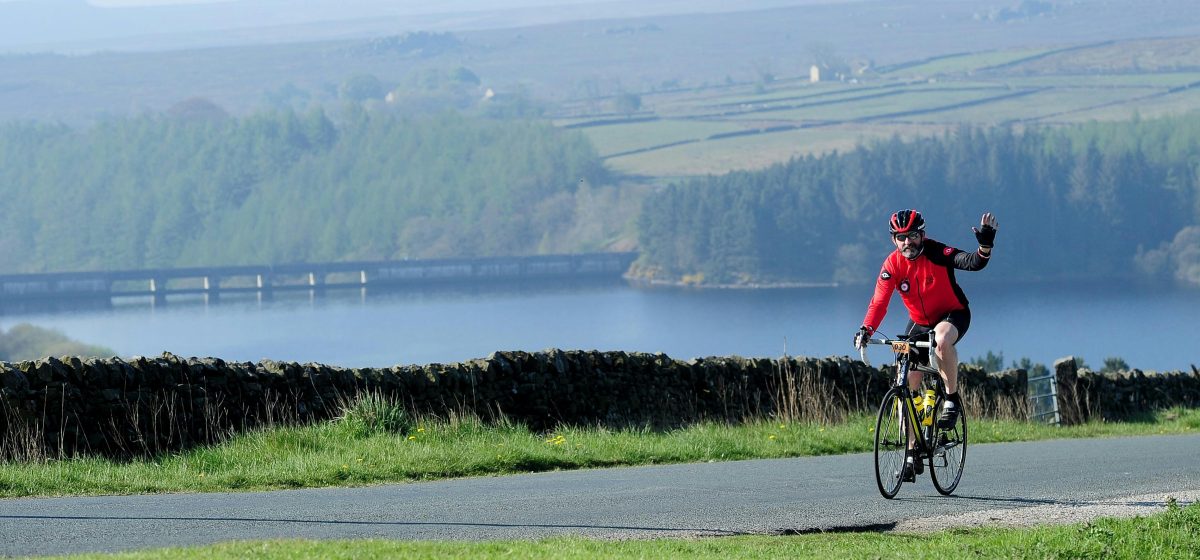
A guided cycling day can reveal rural landscapes that are easy to miss from a car or train. You may pass through villages, farmland, quiet lanes and viewpoints while learning about the area from someone who knows it well. The experience depends on choosing a route that matches your fitness and confidence, and on understanding the conditions before setting off.
Match the route to your ability
Check the total distance, elevation gain, surface and expected pace. A route described as “easy” may still include hills, gravel or long periods in the saddle. Ask whether the group stops regularly and whether there is a shorter option. Be honest about your cycling experience, particularly if you are not used to riding on roads or unfamiliar terrain.
Check the guide and group size
Look for an operator that explains the guide’s local knowledge, safety procedures and experience with the route. Smaller groups can make it easier to communicate and manage different abilities, although group size alone does not guarantee quality. Read recent reviews for comments about briefing, equipment, pace and how the guide responds if someone struggles.
Get the bicycle fit right
A suitable bike should fit your height and the type of route. Ask what models are available, whether helmets are provided and whether the operator can adjust the saddle and handlebars. If you use an e-bike, understand its range, charging arrangements and how assistance levels work. Test the brakes and gears before leaving and tell the guide if anything feels wrong.
Understand the road and trail conditions
Rural routes may include narrow lanes, farm traffic, uneven surfaces and limited mobile coverage. Follow local traffic laws and the guide’s instructions. Ride in a predictable line, signal clearly and leave space between cyclists. Do not stop around blind bends or block gates and driveways. If the weather becomes unsafe, accept a route change or cancellation.
Bring the right essentials
Wear comfortable clothing suitable for the weather and bring water, snacks, sun protection and a light waterproof layer. Keep personal medication and emergency contact details with you. Ask whether the operator supplies a repair kit and what happens after a puncture or mechanical issue. If you are using your own bike, check its condition before the trip.
Respect the countryside
Close gates as instructed, avoid disturbing livestock and stay on permitted routes. Do not ride across crops or private land. Keep noise low in villages and take rubbish away. If the route passes through protected areas, follow signage and wildlife guidance. A guided ride should support local businesses and leave the landscape as you found it.
Plan the day around the ride
Check the meeting point, transport options and expected finish time. Avoid booking another demanding activity immediately afterwards. If the ride includes food or a farm visit, ask about dietary needs and what is included. Confirm the cancellation policy and whether the tour operates in rain or strong winds.
A good cycling day should feel active but manageable. Choose a route that fits your ability, check the equipment and listen to the guide. You will have more time to enjoy the scenery when the practical details are settled before the first pedal stroke.