A6AezDIwNuug
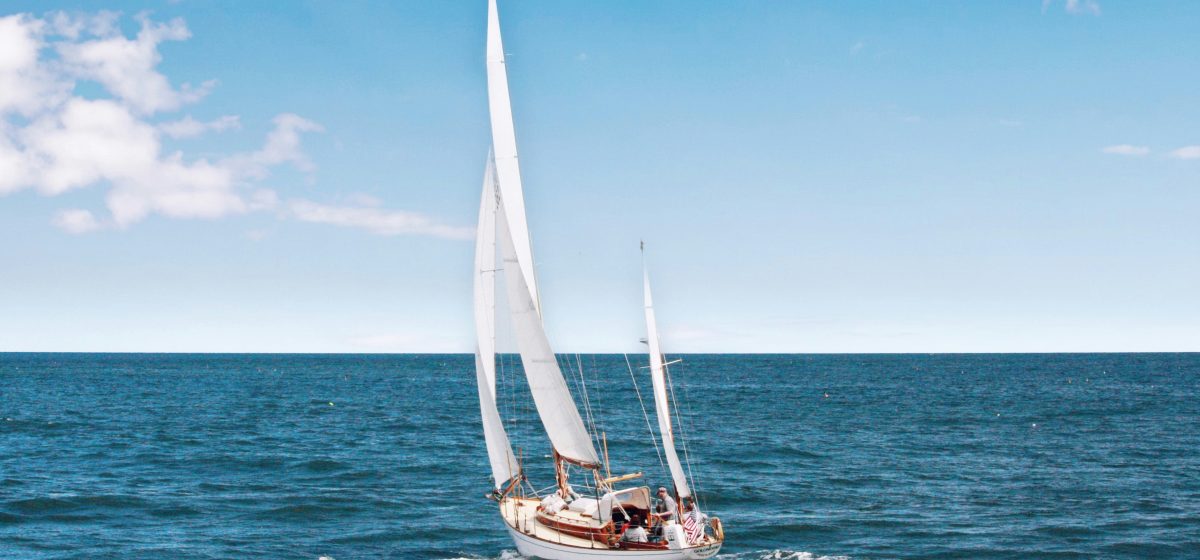
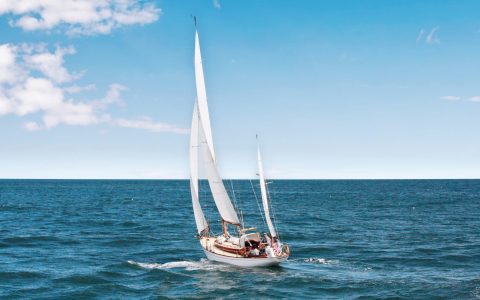
A boat excursion can reveal coastlines, islands and small coves that are difficult to reach from land. Whether it is a short harbour cruise or a full day on the water, preparation helps you stay comfortable and understand the safety arrangements. Conditions can change quickly at sea, so choose a responsible operator and be ready to adapt the plan.
Check the operator before booking
Look for clear information about the vessel, skipper, passenger capacity, safety equipment and route. Read recent reviews for comments about communication and how the crew handles changing conditions. A responsible operator should explain cancellation arrangements and should not promise to sail regardless of the weather. If safety details are unclear, ask before paying.
Understand the weather and sea conditions
Wind, swell, visibility and currents can affect comfort and safety. Check the forecast close to departure and follow the skipper’s advice. If the trip is cancelled or shortened for safety, accept the decision. Do not try to recreate the excursion independently in unfamiliar waters. Keep a flexible alternative on land in case the boat cannot sail.
Dress for wind and sun
Even on a warm day, it can feel cooler on the water. Bring a light layer, sun protection and footwear that is suitable for a wet deck. Sunglasses and a hat can help, but secure loose items so they do not blow away. If swimming is included, bring swimwear and a towel only if the operator confirms there is a suitable stop.
Plan for motion sickness
If you are prone to seasickness, consider where you sit and follow appropriate medical advice about prevention. Eat lightly if that usually helps you and stay hydrated. Tell the crew if you begin to feel unwell. Do not take medication without checking whether it is suitable for you and whether it causes drowsiness.
Check accessibility and facilities
Ask about boarding steps, seating, toilets, shade and space for mobility equipment. Boats vary widely, and a general statement that a trip is accessible may not answer your specific needs. If travelling with children, check lifejacket availability and any age restrictions. Confirm what luggage can be brought aboard.
Respect marine life and coastal areas
Keep a safe distance from wildlife and follow local rules about swimming, anchoring and protected habitats. Do not feed animals or throw rubbish overboard. Choose operators that explain their environmental practices and avoid staged wildlife encounters. Take all personal waste back to shore.
Keep essentials secure
Carry water, personal medication and a waterproof pouch for your phone and documents. Leave valuables in a secure place where possible. Listen to the safety briefing, know where lifejackets are stored and follow crew instructions throughout the trip.
A good boat excursion combines beautiful scenery with responsible planning. Check the operator, prepare for changing conditions and respect the marine environment. You will enjoy the day more when the practical details are settled before leaving the harbour.