A6AezDIwNuug
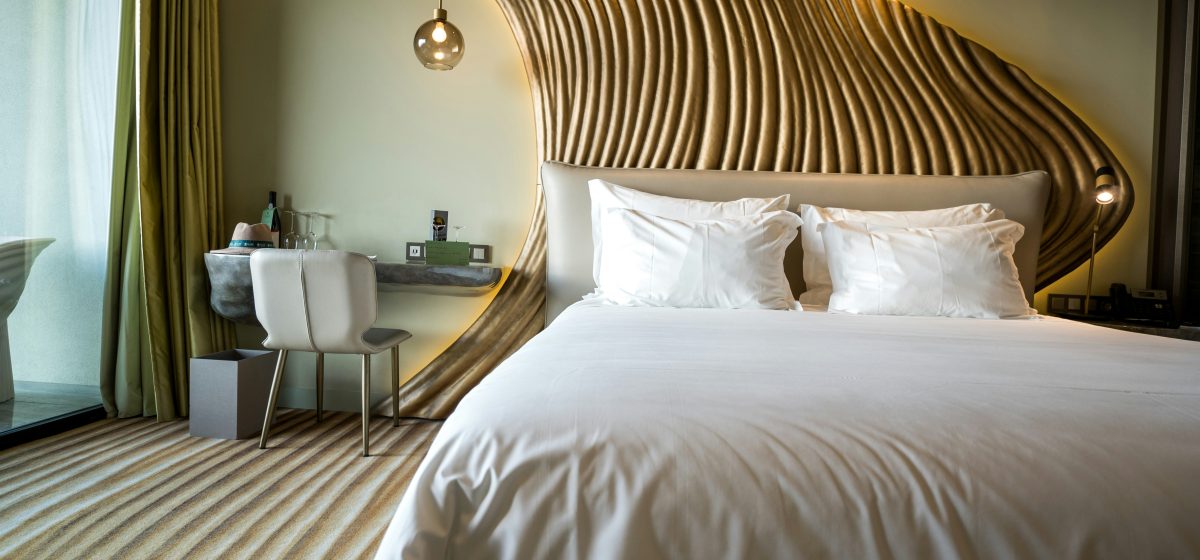
Boutique hotels often stand out for their design, atmosphere and individual character. Yet a stylish room is only a good choice if it works for the way you travel. Storage, lighting, sound insulation and bathroom layout can matter more than decorative details, particularly if you are staying several nights. Reading the room description carefully helps you avoid paying for a look that does not meet your practical needs.
Check the usable space
Room size is useful, but the layout matters too. Look at where the bed, wardrobe, desk and luggage space are positioned. A compact room may be comfortable for a solo traveller with a small bag, but difficult for two people with large suitcases. If you plan to spend time working or relaxing in the room, ask whether there is a proper desk or seating area.
Understand storage and luggage arrangements
Check whether the room has a wardrobe, drawers, hooks and somewhere to place a suitcase. Open shelving can look attractive but may offer less practical storage for a longer stay. If you are arriving early or leaving late, ask whether the hotel can store luggage before check-in or after check-out. Confirm any limits on storage if you are travelling with bulky equipment.
Look at lighting and windows
Photographs may be taken with professional lighting and may not show how bright the room feels during the day. Check whether there are windows, blackout curtains and bedside reading lights. If you are sensitive to street noise or early sunlight, ask which room types face a courtyard or quieter side of the building. Do not assume that a higher floor is always quieter.
Check the bathroom layout
Room descriptions can use broad terms such as “ensuite” without showing the exact arrangement. Check whether the shower is separate, whether there is a bath and whether the bathroom has adequate ventilation. If you need step-free access or particular support features, ask for measurements and photographs. Accessibility labels can mean different things from one property to another.
Consider temperature and sound
Heating and air conditioning can affect sleep, particularly in warm or cold seasons. Confirm what is available and whether controls are inside the room. Read recent reviews for recurring comments about noise from streets, bars, lifts or neighbouring rooms. If you need quiet, contact the property before booking and request a suitable room, while recognising that preferences cannot always be guaranteed.
Check practical amenities
Wi-Fi, a kettle, fridge, safe, hairdryer and charging points may matter depending on your trip. Verify which facilities are included and whether any incur an extra charge. If you need reliable internet for work, ask about the connection rather than relying on a general promise. Check reception hours and how to contact staff if you arrive late.
Compare the room with the whole stay
Location, service and cancellation terms are part of the value too. A beautiful room far from the places you plan to visit may add transport costs and time. Read reviews for the exact room category where possible, and compare the total rate including taxes and breakfast. A direct question to the hotel can often resolve a detail that photographs leave unclear.
A good boutique room should feel distinctive and practical. Look beyond the styling, check how the space works and choose the room that supports your trip from the first night to the last.