A6AezDIwNuug
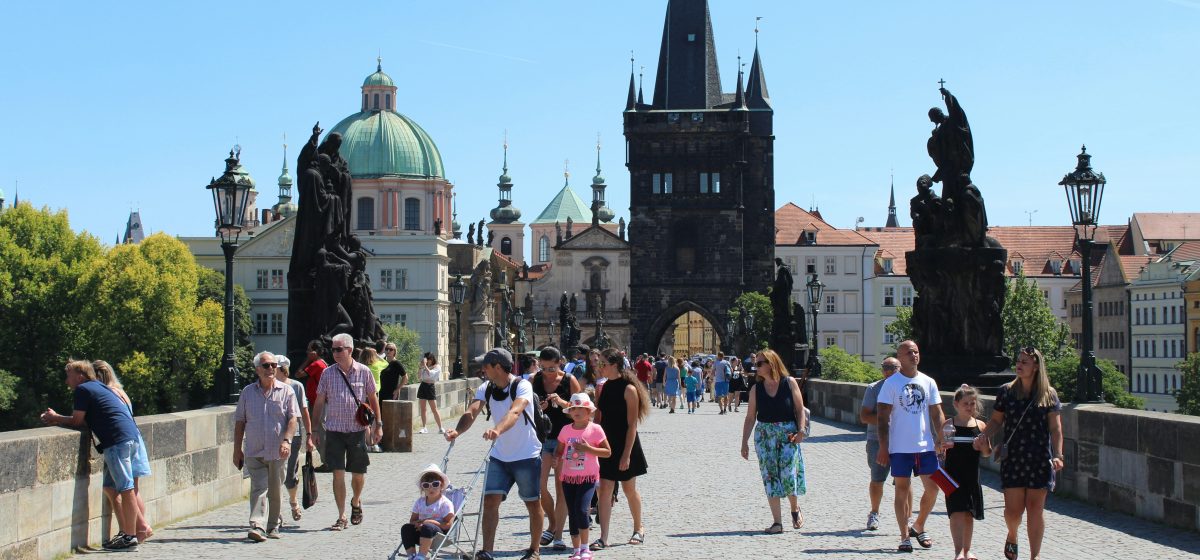
A guided city walk can turn a collection of streets into a story. A knowledgeable guide may explain architecture, migration, food traditions or the daily life behind a famous landmark. Yet tours vary widely in quality and impact. Choosing carefully helps you learn more while supporting guides and businesses that treat the destination with respect.
Look for a clear subject and route
Before booking, read what the walk actually covers. Some tours focus on history, others on food, architecture, art or contemporary neighbourhood life. Check the duration, distance, terrain and number of stops. A route that sounds interesting may involve steep streets, long periods standing or limited access to toilets. If you have mobility or sensory needs, ask the operator for practical details rather than relying on a general accessibility statement.
Check who is guiding the experience
Look for information about the guide’s local knowledge, training and language. A good guide should distinguish between documented history, personal interpretation and local stories that may have several versions. Read recent reviews for comments about clarity, respect and the ability to answer questions. Avoid assuming that a large online following is proof of expertise.
Consider group size and pace
Smaller groups can make it easier to hear the guide and ask questions, although they may cost more. Large groups can block pavements or create noise in residential streets. Check whether the operator uses headsets or divides groups at busy sites. A comfortable pace should leave time to cross streets safely, take breaks and allow other pedestrians to pass.
Look at the tour’s local impact
Consider whether the company employs local guides, works with independent businesses and contributes to the neighbourhoods it visits. Food tours should explain where tastings come from and how vendors are involved. Tours in residential areas should avoid treating people’s homes as scenery. Be cautious of experiences that encourage intrusive photography, trespassing or staged encounters with residents.
Ask how heritage and sensitive subjects are handled
Some neighbourhoods have histories of displacement, conflict, poverty or religious significance. A responsible guide should discuss these topics with context and care, rather than turning hardship into entertainment. At religious or memorial sites, follow dress and behaviour rules and ask before taking photographs. If a guide makes sweeping claims about a community, seek a more nuanced explanation.
Prepare for the walk
Wear shoes suitable for the route and weather, bring water and arrive at the meeting point early. Check the cancellation policy and what happens in heavy rain or extreme heat. If the tour includes food, tell the operator about allergies or dietary requirements in advance and confirm whether vendors can accommodate them safely. Carry any essentials you need for the duration.
Make the most of the experience
Ask questions, but allow the guide to manage the group and timing. Listen to local recommendations and note places you might revisit independently. Tip according to local custom and the quality of the service, rather than assuming the same practice applies everywhere. If you photograph the guide or other participants, ask permission.
A thoughtful walking tour should leave you with a richer understanding of the city and a positive impression of the people who live there. Choose an operator with clear information, a respectful approach and genuine local knowledge, then explore with curiosity and consideration.