How to Plan a Multi-City Trip Without Losing Time in Transit
A multi-city itinerary becomes easier when you group destinations geographically, compare door-to-door travel time and avoid changing accommodation too often.
Responsible accommodation is best assessed through specific practices such as energy, water, waste, local employment and transparent guest information.
A few well-prepared digital tools can reduce friction, but offline copies and a simple paper backup remain valuable when batteries or networks fail.
Shoulder-season travel can bring softer light, cooler walking weather and a calmer rhythm, while summer offers long days but greater pressure on transport and accommodation.
Useful review reading means looking for repeated patterns, recent details and comments from travellers with needs similar to yours.
A balanced Kyoto visit combines early starts at popular temples, unhurried lanes, food markets and time to explore beyond the busiest photo stops.
Understanding ticket systems, route maps, payment options and peak periods helps visitors move around more confidently and spend less time guessing.
A gentle first day, daylight exposure, hydration and sensible sleep timing can make the adjustment to a new time zone easier.
Resort photos rarely tell the whole story; compare beach access, transfers, meal plans, room location, extra fees and nearby alternatives.
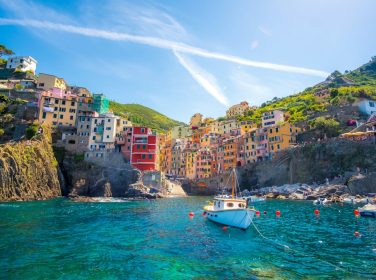
A thoughtful route through the Ligurian coast works best when you slow down, choose a base carefully and treat the villages as distinct places rather than a checklist.