A Guide to Travelling More Responsibly in Natural Places
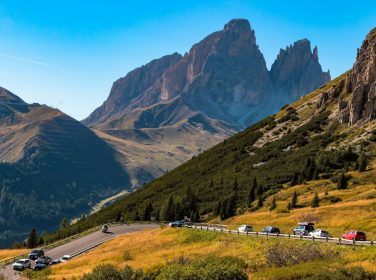
Small decisions around transport, waste, water, wildlife and local spending can reduce pressure on the places people travel to enjoy.
Dining customs vary widely, and learning a few local habits can make meals more comfortable while showing respect to hosts.
Simple daily tracking helps travellers notice spending patterns early and adjust without turning a holiday into a constant accounting exercise.
A little preparation with route maps, fare zones, contactless payment and service updates makes public transport easier to use.
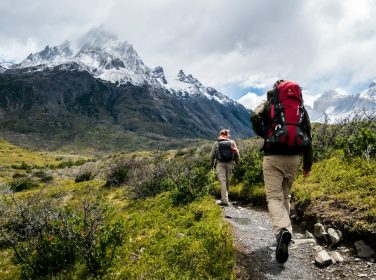
Outdoor plans need a realistic turnaround time, suitable layers, local forecasts and a backup activity if conditions deteriorate.
Short breaks feel better value when travellers save on low-impact extras and spend selectively on location, transport and one memorable experience.
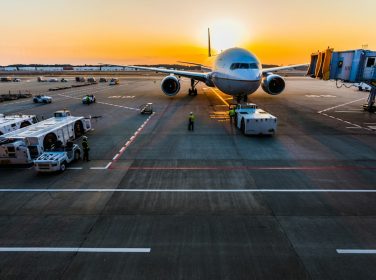
For some short routes, rail can be competitive once airport transfers, security time, baggage and city-centre arrival are included.
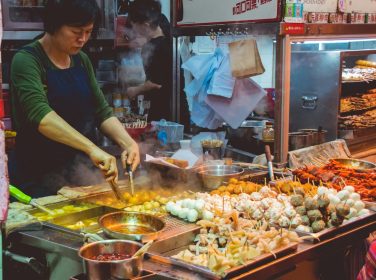
A food-led weekend works best when tastings are grouped by area, reservations are balanced with spontaneous stops and time is left between meals.
Eating confidently while travelling requires clear communication, translated ingredient notes and a plan for checking cross-contact risks.
A low advertised price is only meaningful when baggage, transfers, meals, taxes, room type and cancellation terms are included.