Choosing a Responsible Wildlife Experience on Your Travels
Ethical wildlife tourism prioritises natural behaviour, habitat protection and credible conservation work over close-contact photo opportunities.
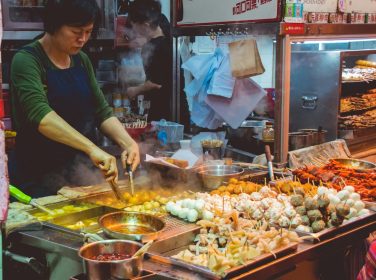
Markets reveal a city's daily rhythms, seasonal ingredients and regional identity in a way that a restaurant-only itinerary may miss.
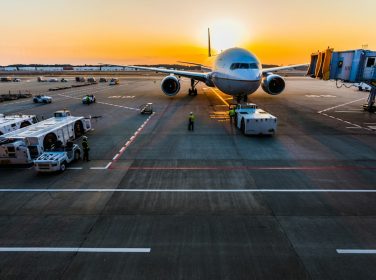
Overnight flights can save daytime hours, but comfort depends on seat choice, sleep strategy, meals, hydration and what you schedule after landing.
A useful budget accounts for the full journey, including transfers, food, local transport, activities, insurance and a contingency reserve.
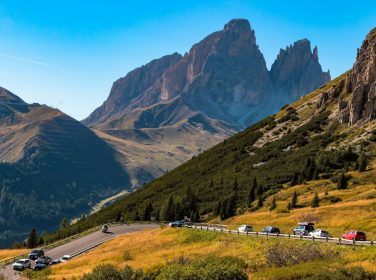
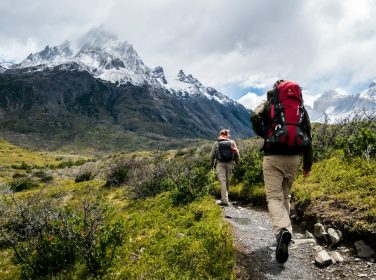
A first mountain hike is safer and more enjoyable when route difficulty, weather, footwear, water and group pace are matched to your ability.
The best market visits combine curiosity with common sense: observe turnover, look for clear food handling and order what is being cooked fresh.
A good connection balances price with realistic transfer time, airport layout, baggage rules and the consequences of a missed onward flight.
The better choice depends on trip length, meal habits, group size, cleaning expectations, location and how much support you want during your stay.
Solo travel becomes more comfortable when the first night, arrival transfer, communication plan and backup options are arranged in advance.
A short city break needs a compact neighbourhood plan, one or two priority experiences and room for weather, queues and spontaneous discoveries.